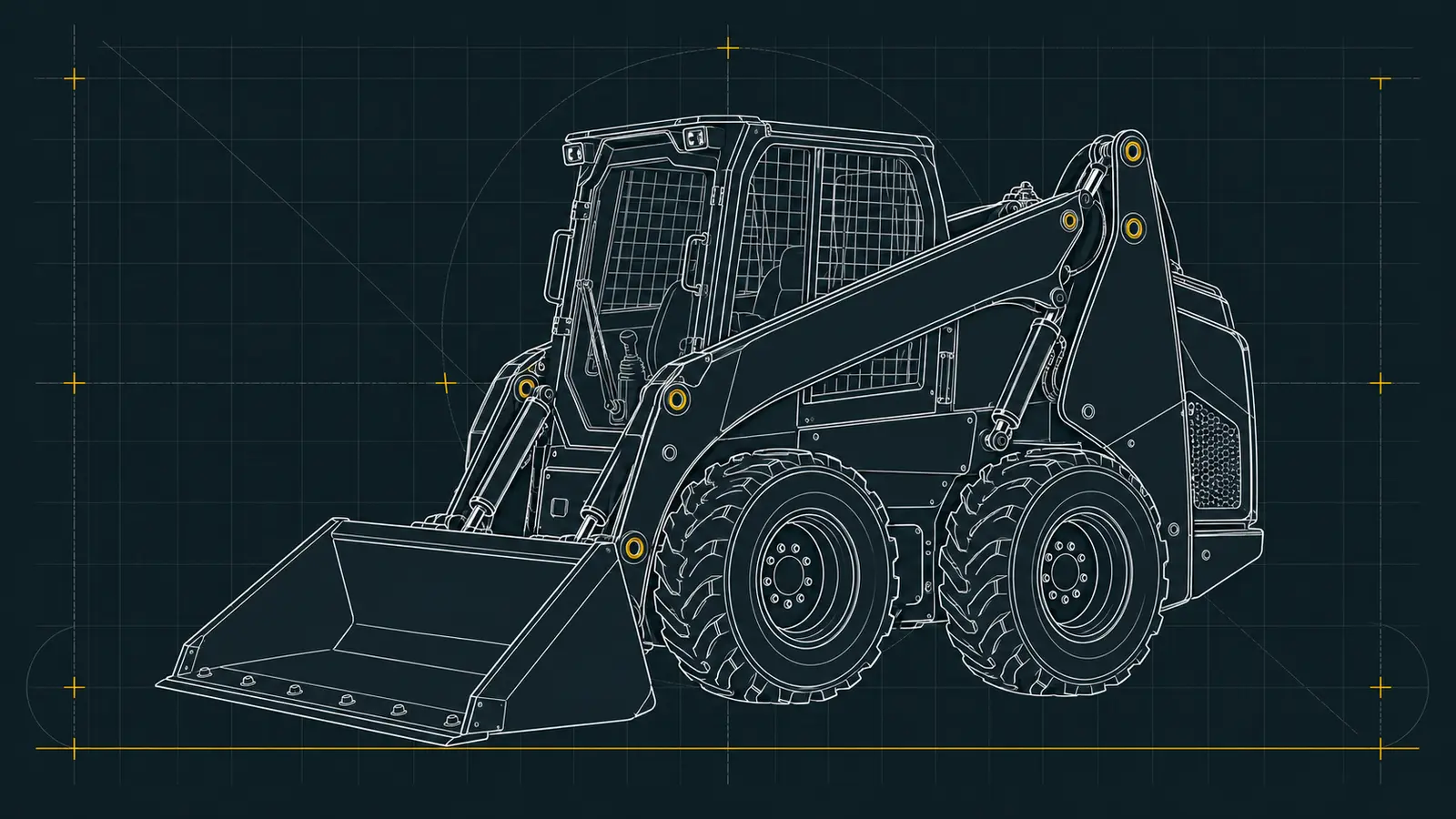
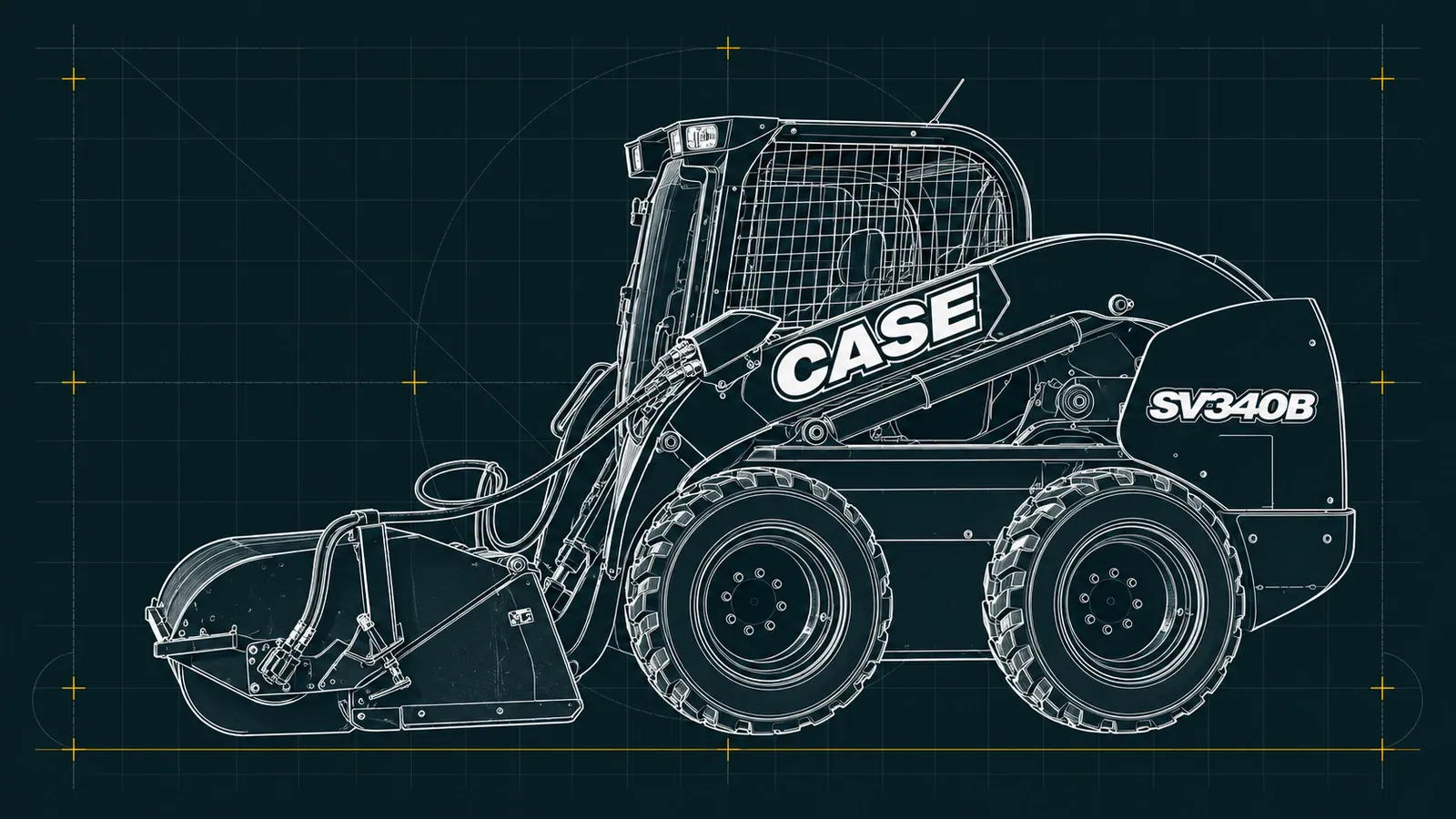
Radial-lift machines often suit digging and mid-height work; vertical-lift designs can favour truck loading and lift-and-carry tasks. Confirm standard- or high-flow hydraulics before selecting powered attachments.
Machine types and configurations
Small-frame
Mid-frame
Large-frame
Radial-lift
Vertical-lift
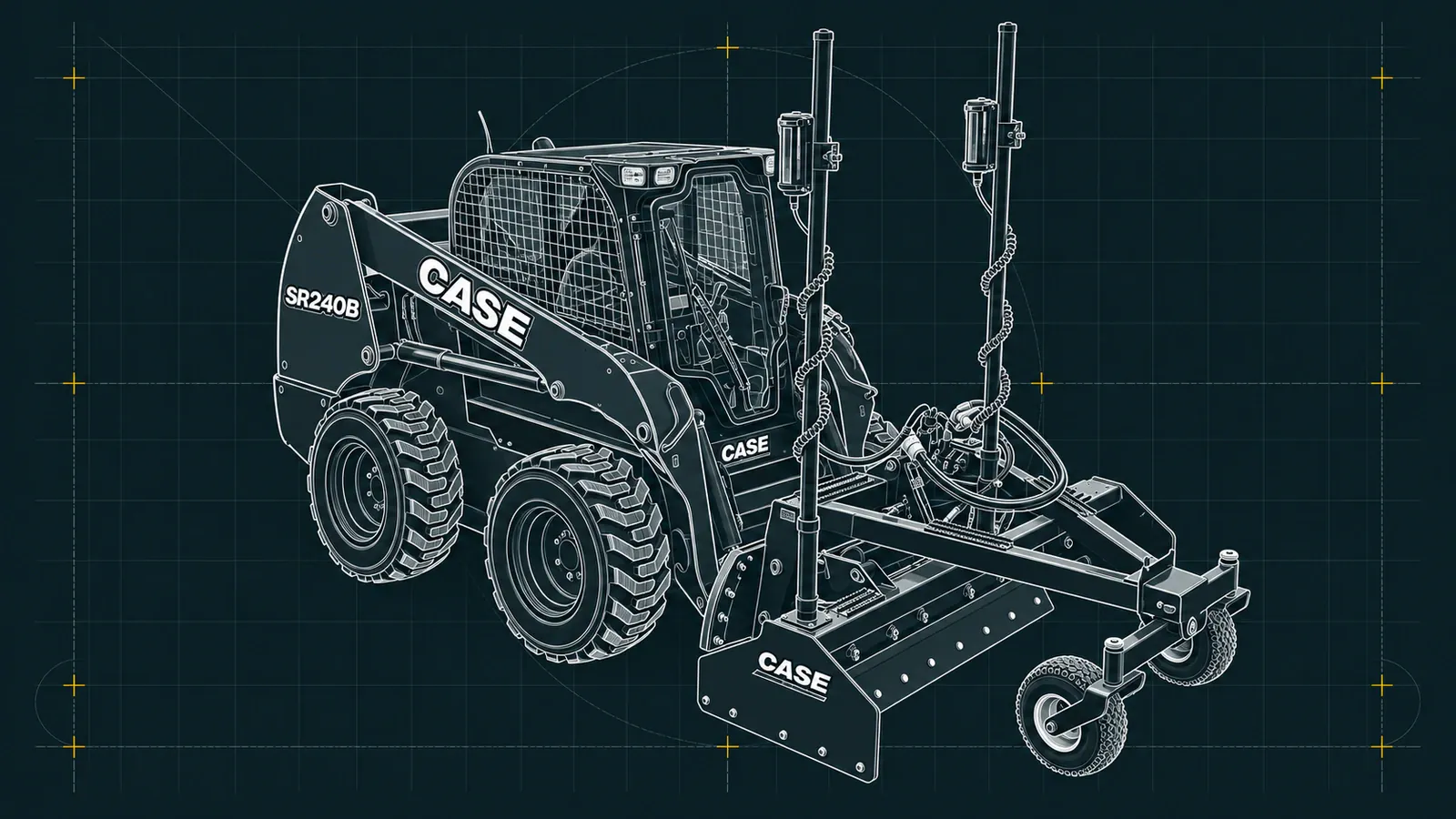
Standard- and high-flow
Specifications that matter
Specification
Why it matters
Rated operating capacity
Must be read with the applicable configuration, stability limits and duty.
Tipping load
Must be read with the applicable configuration, stability limits and duty.
Lift path
Compare the serial-specific configuration and intended work, not the label alone.
Hinge-pin height
Shows whether the configured machine fits the required work envelope.
Auxiliary flow
Determines powered-attachment capability and circuit requirements.
Operating weight
Defines machine class, transport exposure and stability context.
Tire configuration
Affects traction, flotation, wear cost, width and transport.
Before buying used
Check chaincase, wheel bearings and drive response
Inspect loader-arm pins, coupler and auxiliary connectors
Confirm restraint bar, interlocks and cab controls operate correctly
Ownership costs to consider
Cost drivers
Tires and wheel bearings
Chaincase and drive components
Loader-arm and quick-attach joints
Cooling and high-flow hydraulics
Plan your transport
Transport checklist
Include attachment weight in payload
Lower arms and secure the work tool
Check deck width and ramp angle
Document tire configuration
Equipment for sale
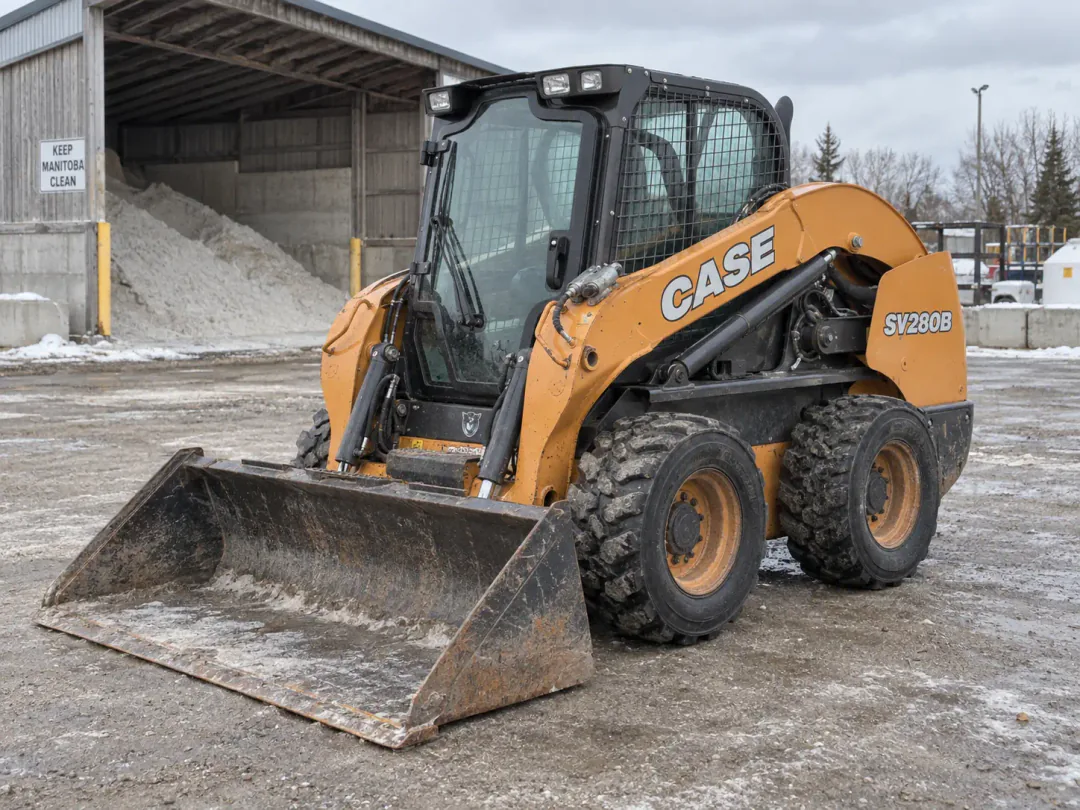
CASE Construction Equipment Skid Steer Loaders equipment for sale

 Compact Equipment