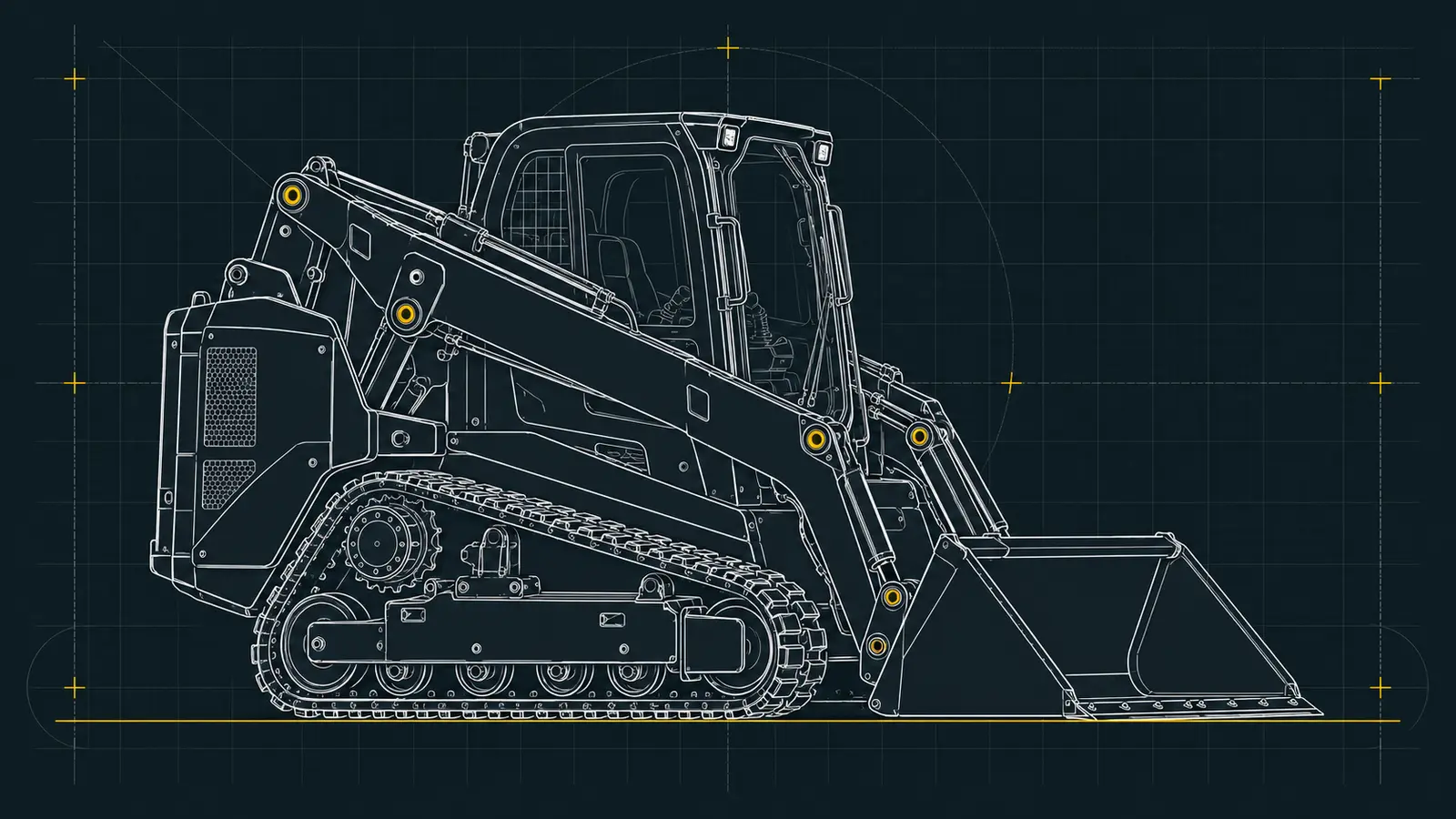
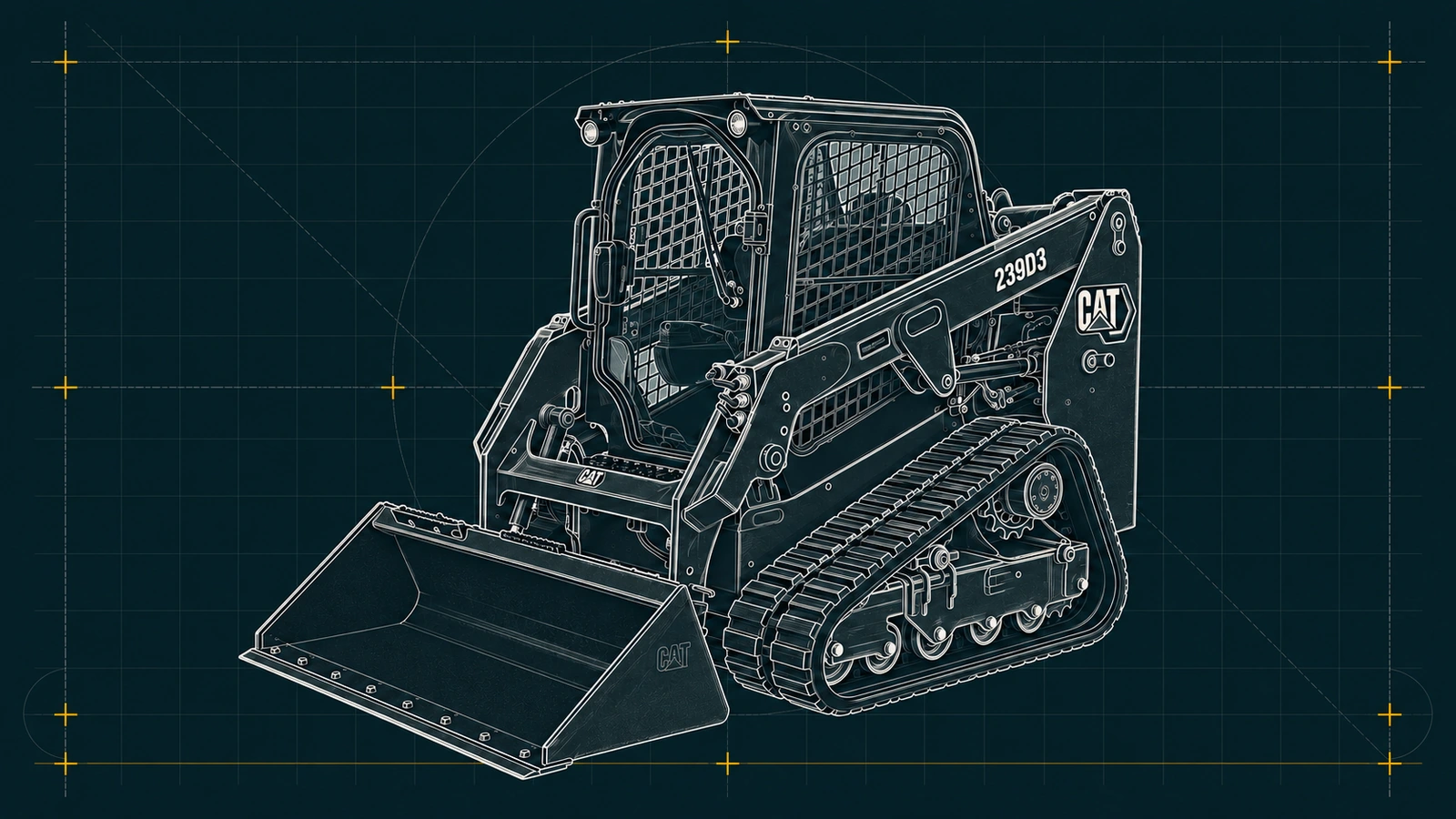
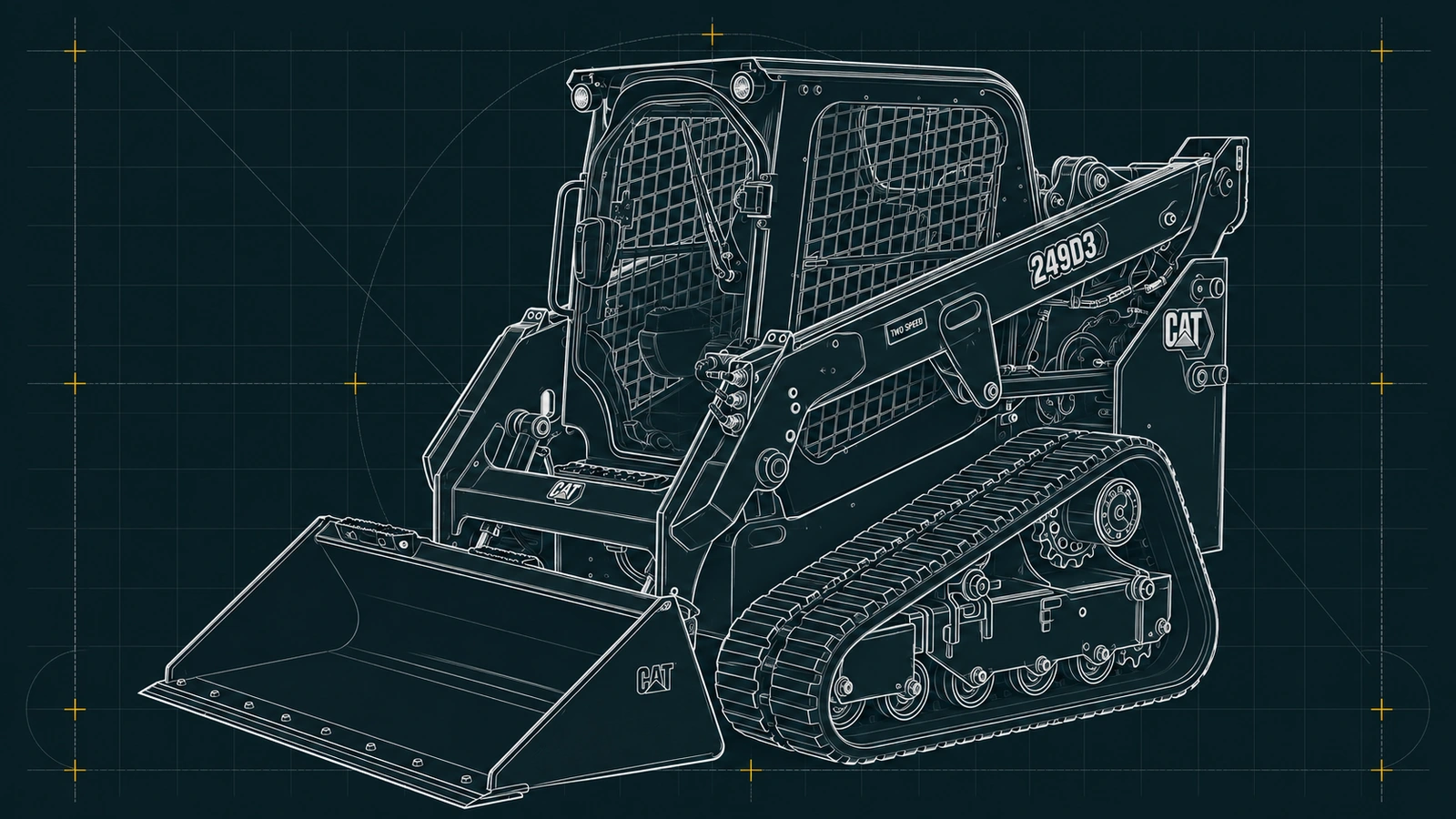
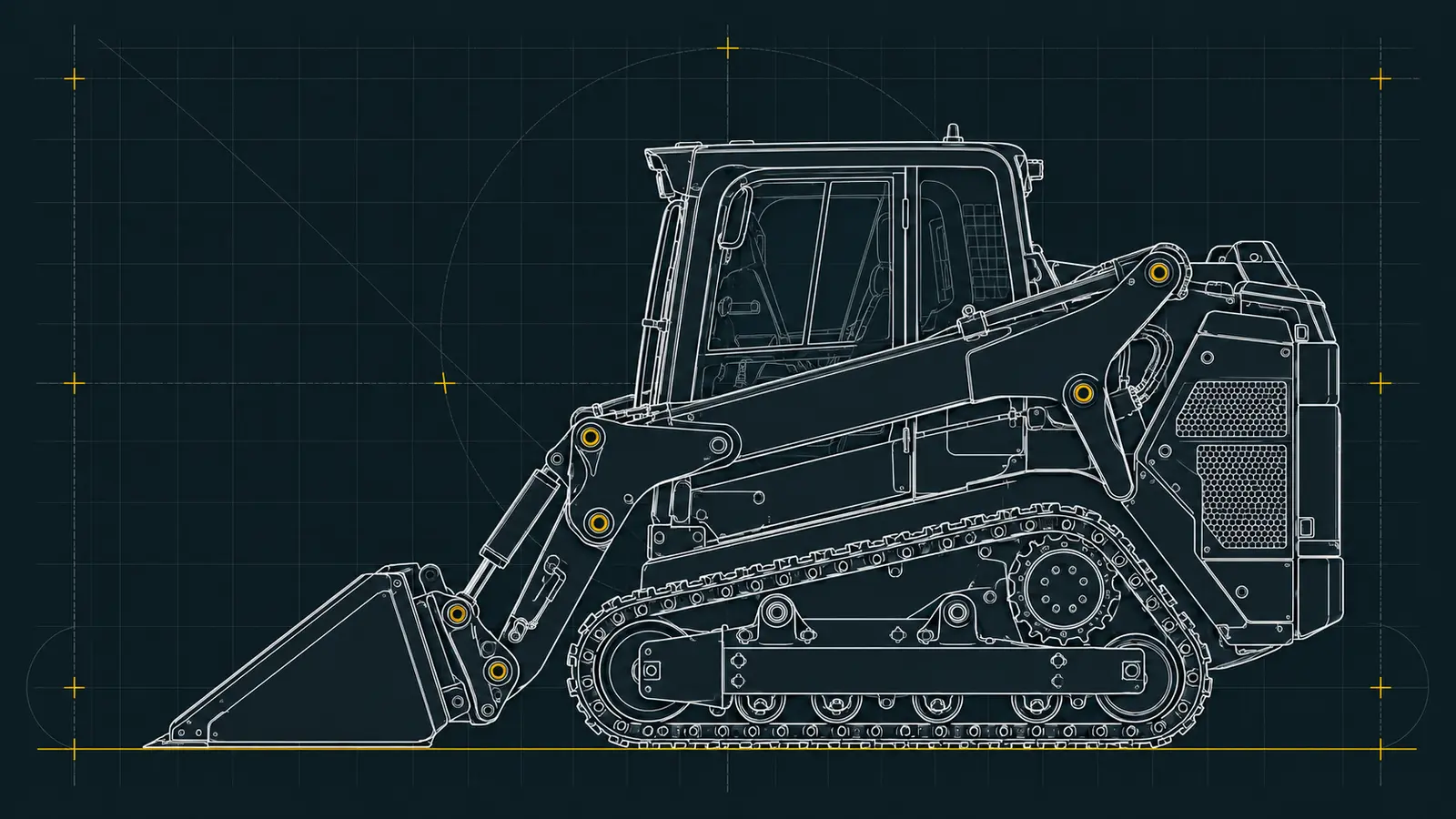
Track systems improve flotation but add undercarriage cost. Evaluate surface conditions, travel distance, debris exposure and attachment demand before choosing tracks over tires.
Machine types and configurations
Small-frame
Mid-frame
Large-frame
Radial-lift
Vertical-lift
High-flow forestry packages
Specifications that matter
Specification
Why it matters
Rated operating capacity
Must be read with the applicable configuration, stability limits and duty.
Tipping load
Must be read with the applicable configuration, stability limits and duty.
Ground pressure
Compare the serial-specific configuration and intended work, not the label alone.
Auxiliary flow
Determines powered-attachment capability and circuit requirements.
Track width
Affects traction, flotation, wear cost, width and transport.
Operating weight
Defines machine class, transport exposure and stability context.
Lift height
Shows whether the configured machine fits the required work envelope.
Before buying used
Inspect tracks, sprockets, rollers and idlers as a system
Check final drives for leakage and noise
Test high-flow hydraulics and cooling under load when equipped
Ownership costs to consider
Cost drivers
Tracks, rollers, idlers and sprockets
Final drives
High-flow hydraulics and cooling
Loader linkage and coupler
Plan your transport
Transport checklist
Use actual weight with guarding and tool
Measure widest track or guard point
Remove debris before loading
Confirm ramp traction and loading angle
Equipment for sale
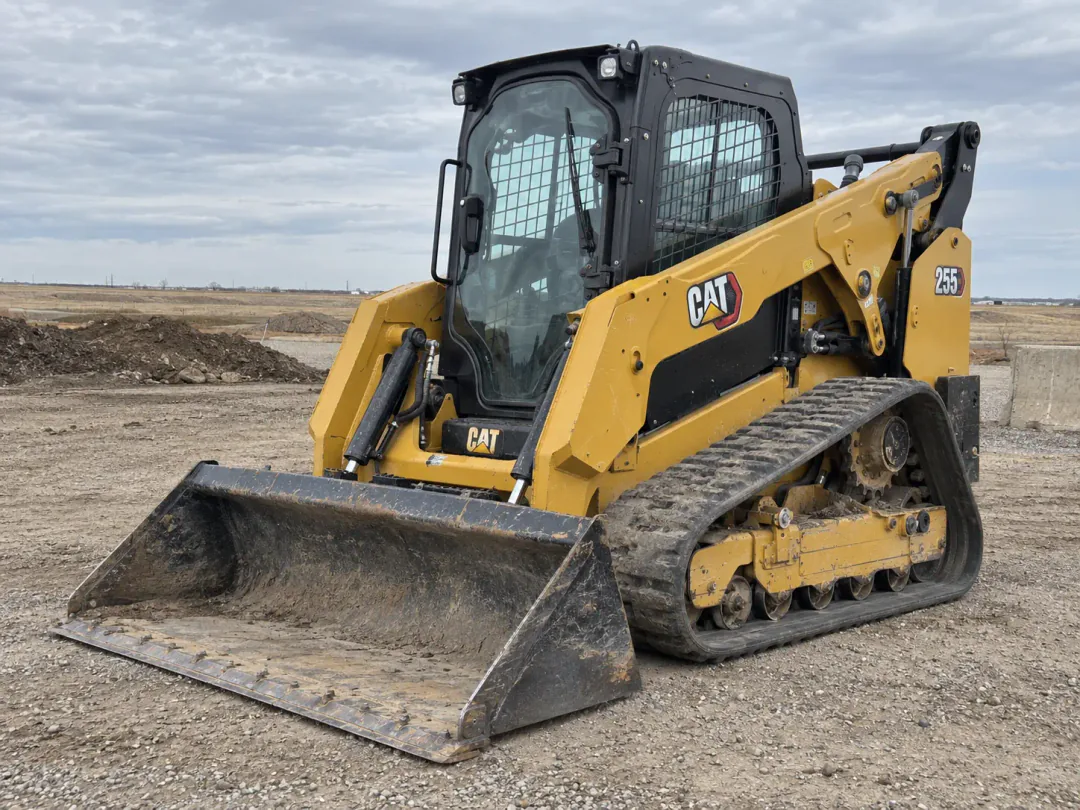
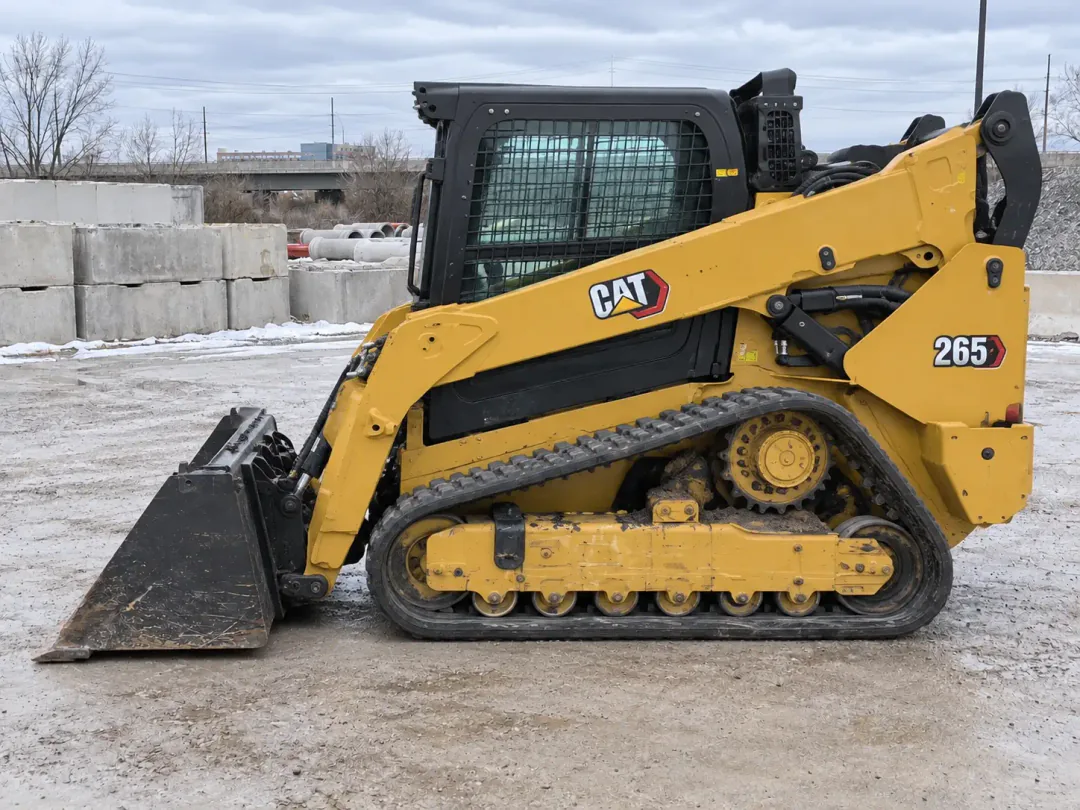
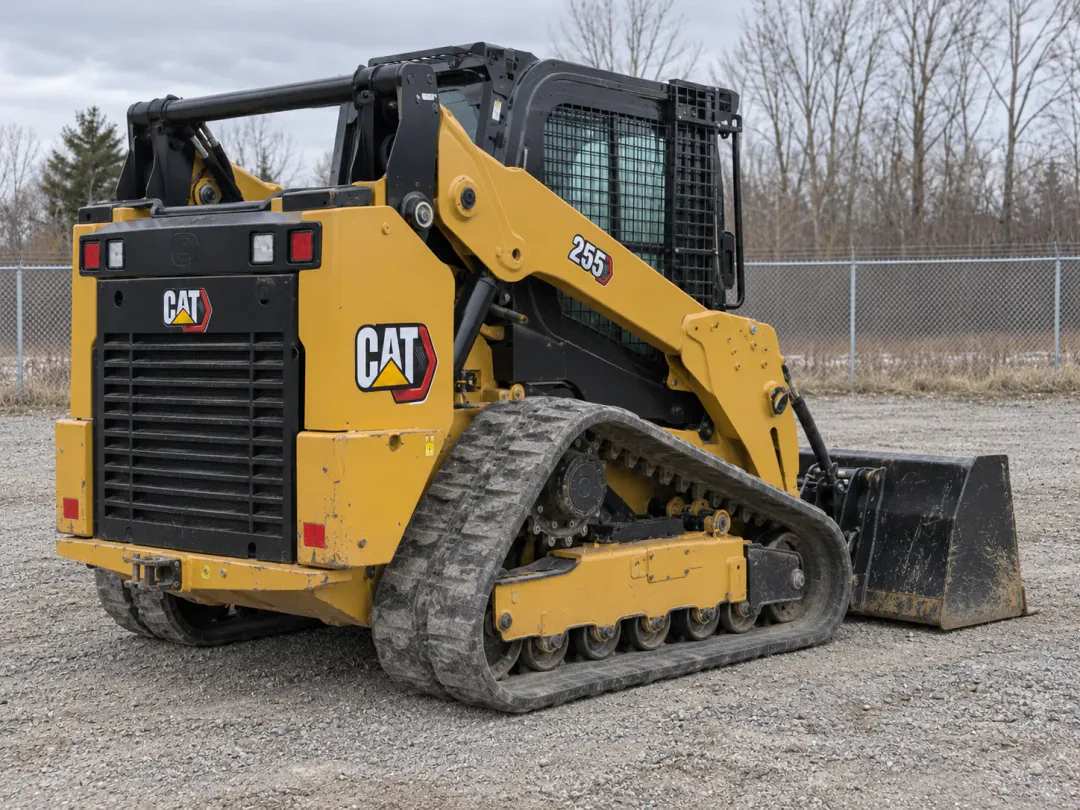
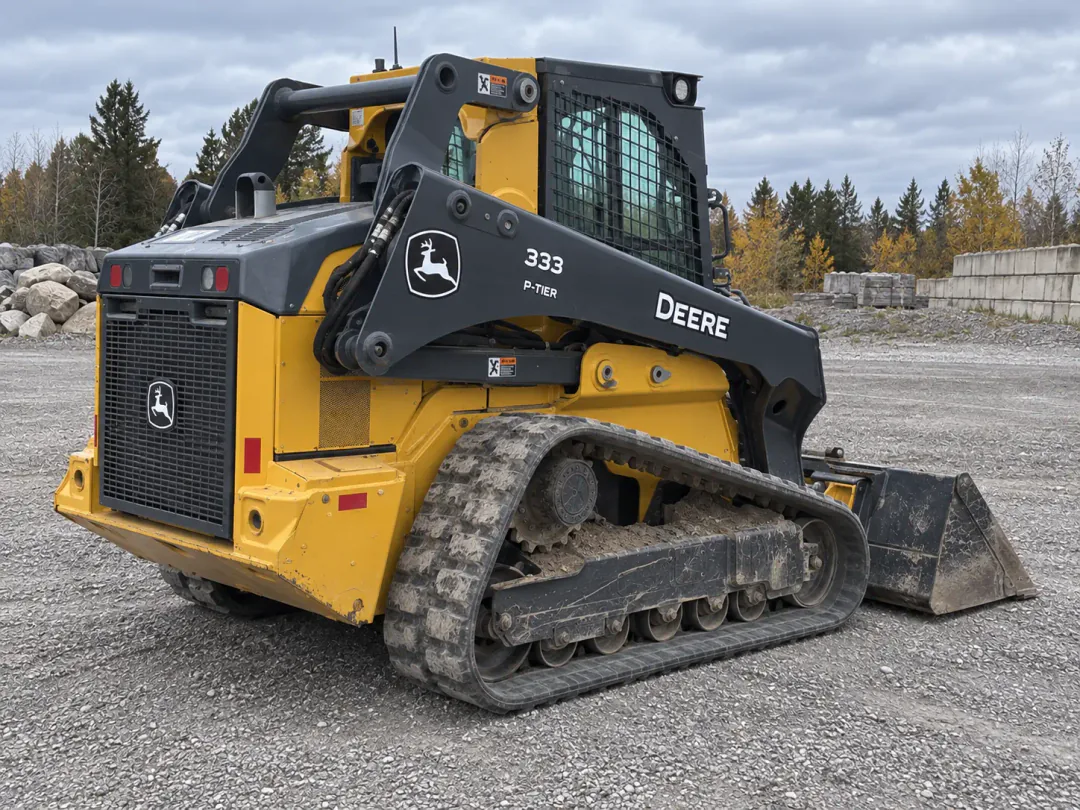
Caterpillar Compact Track Loaders equipment for sale

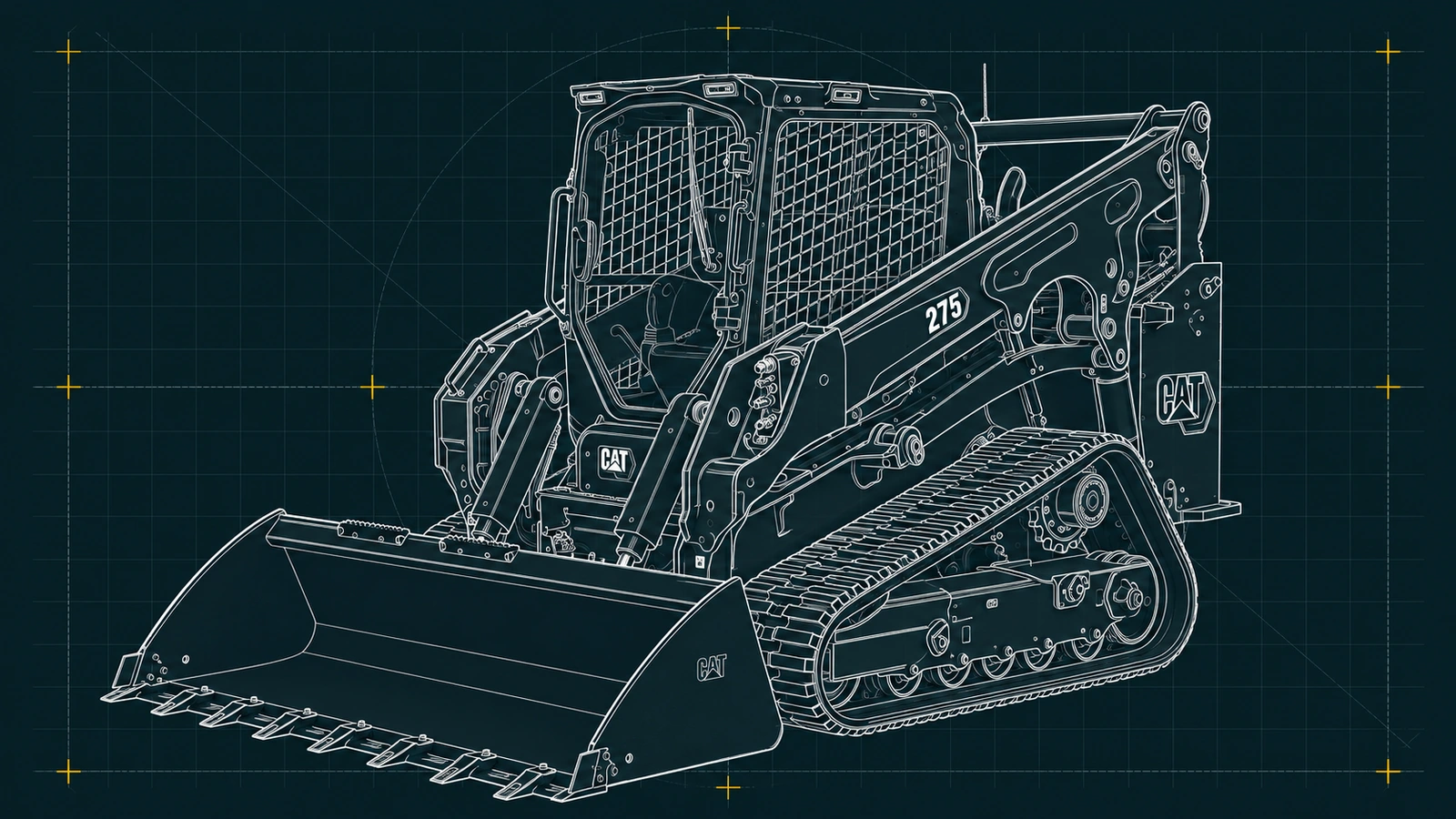
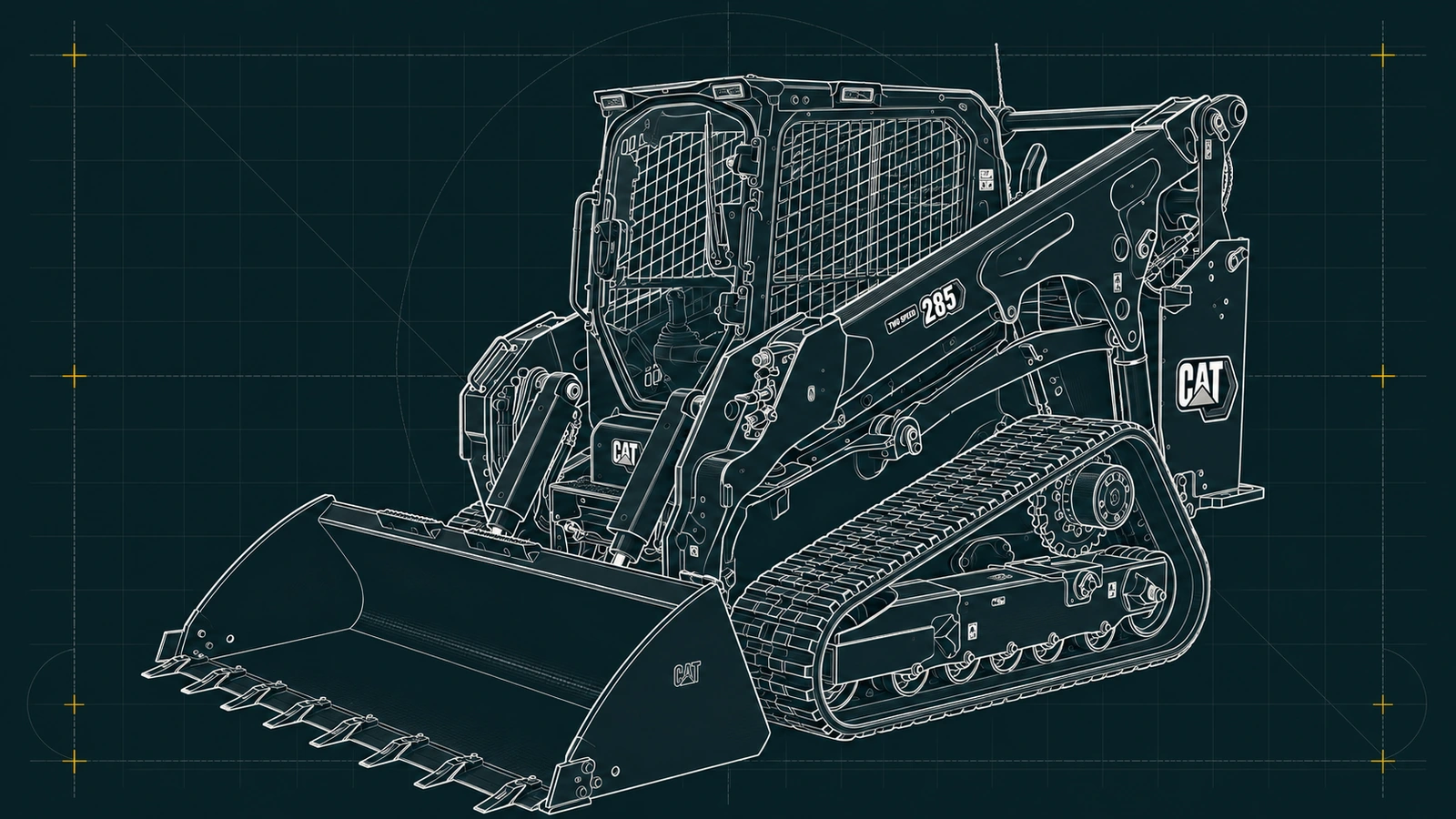
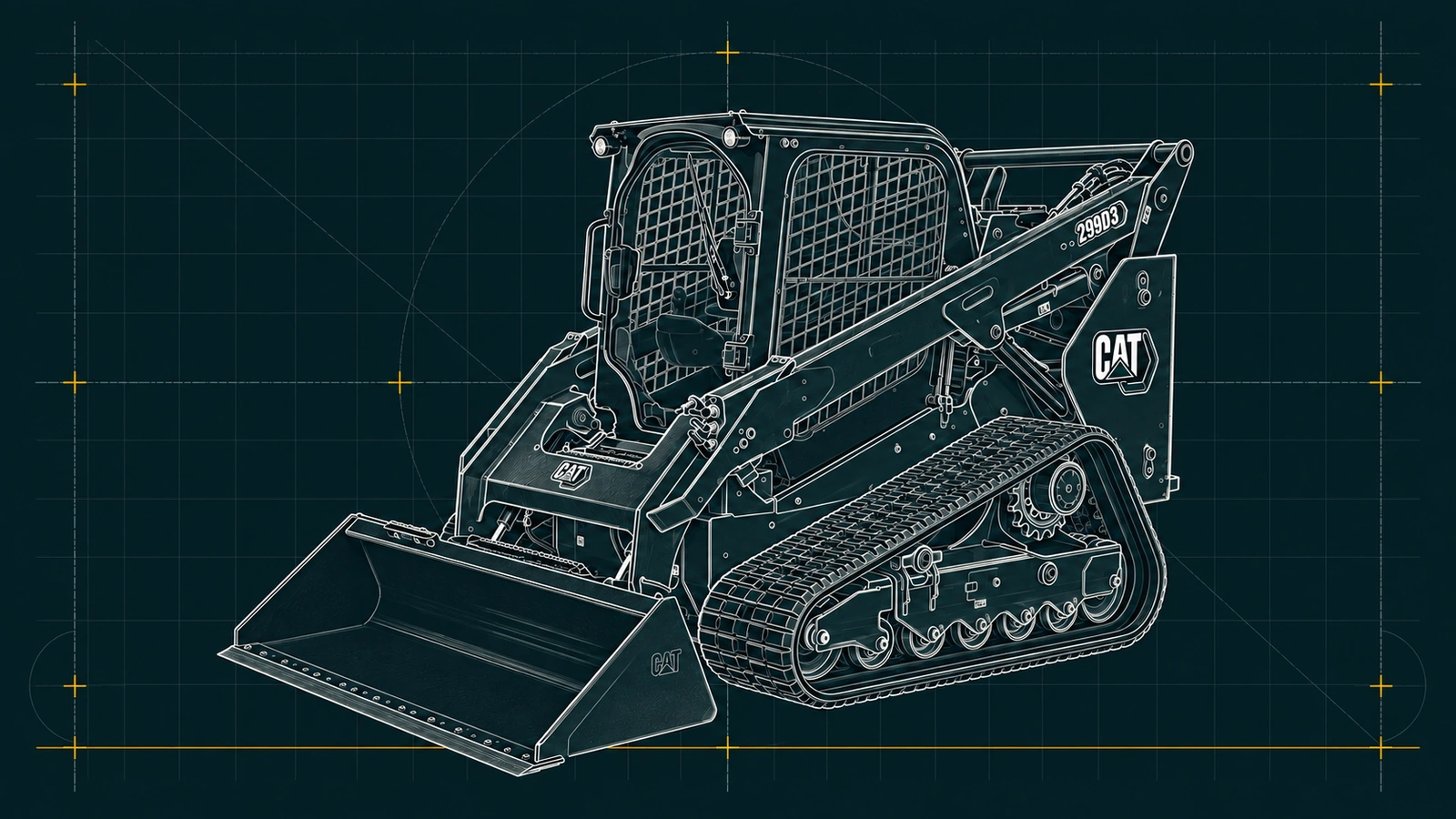
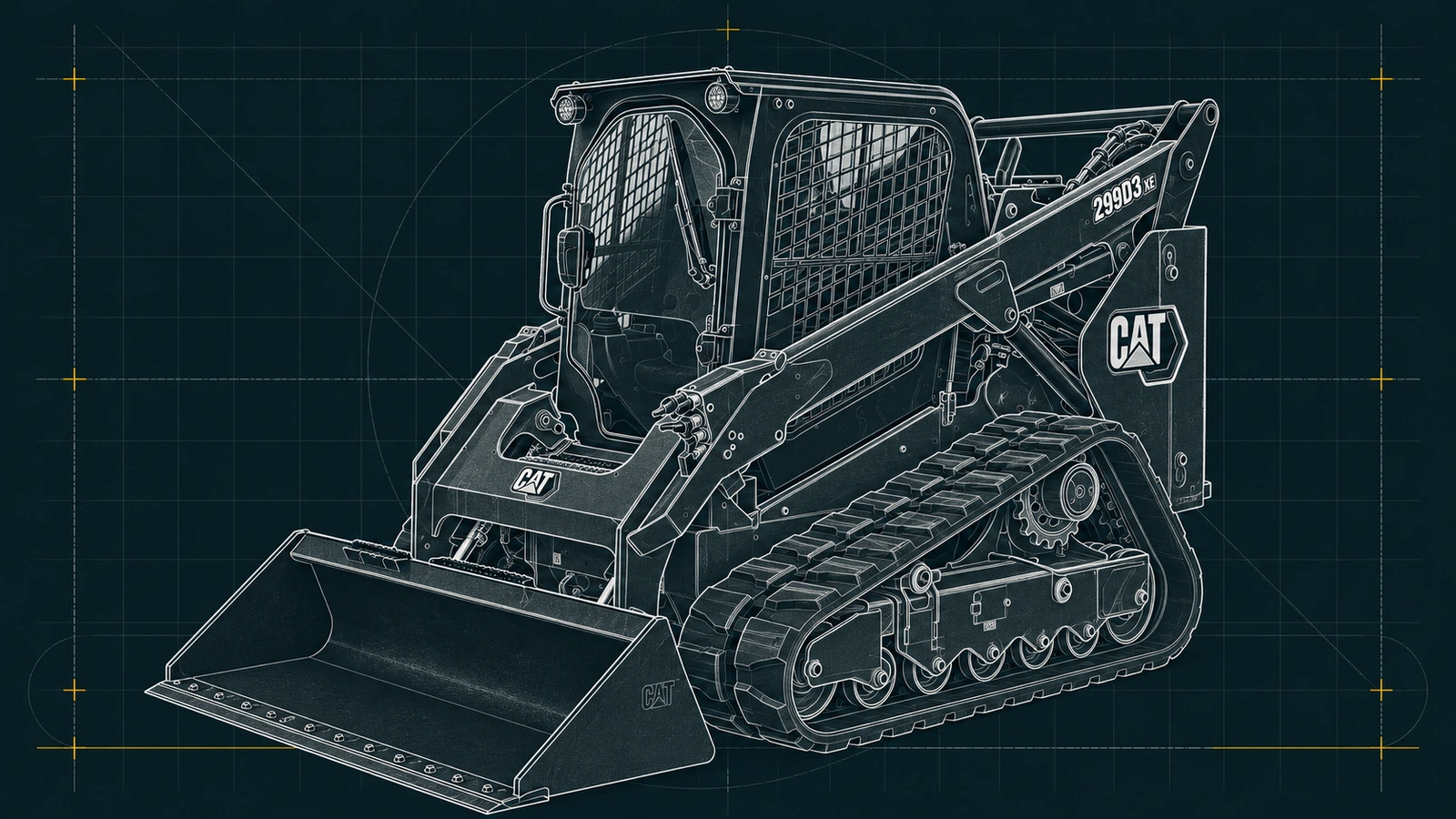
 Compact Equipment