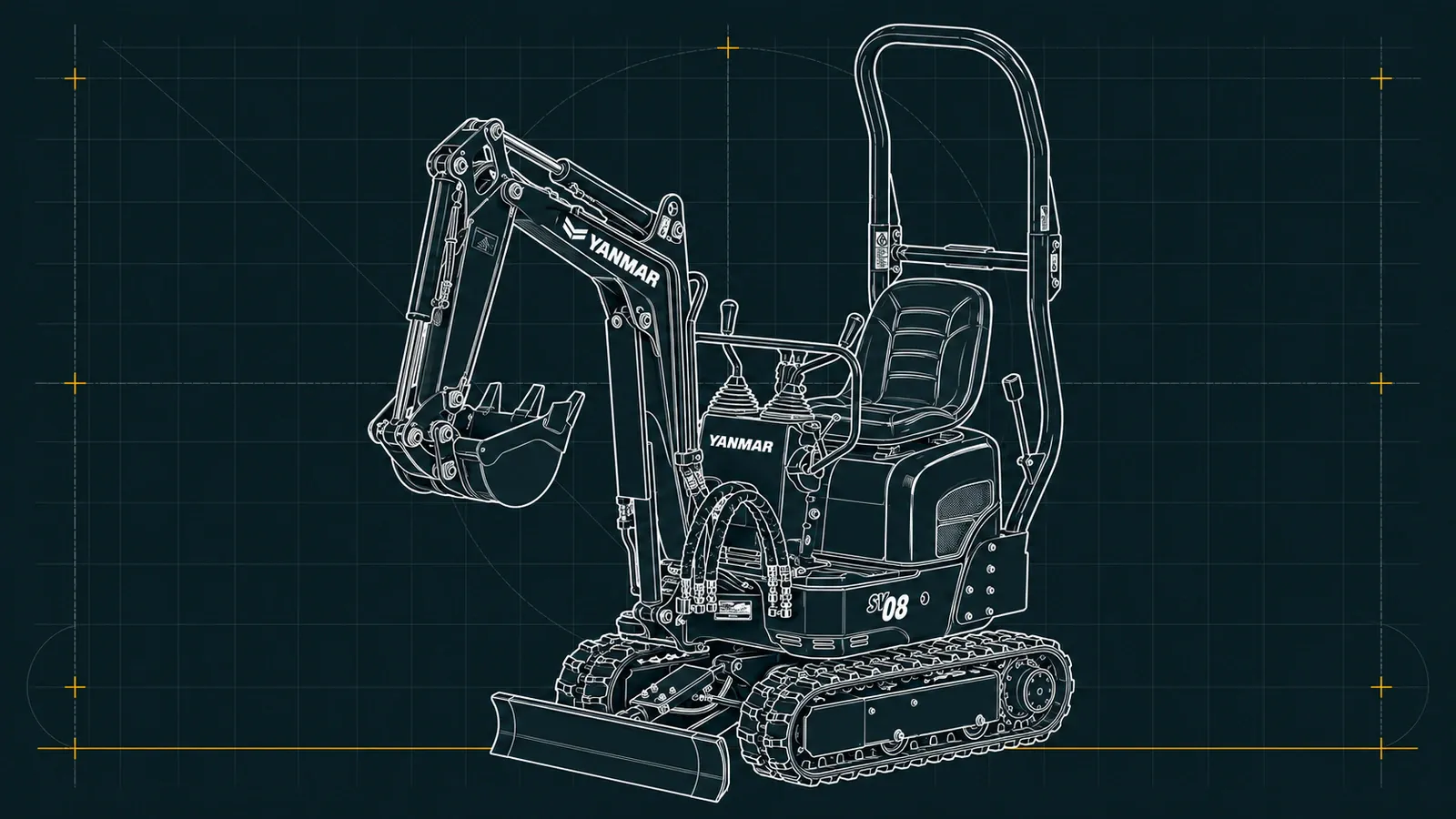
SV08-1D exact model title in linked North American Yanmar specification sheet; native imperial/metric pairs retained. · United States / North American reference
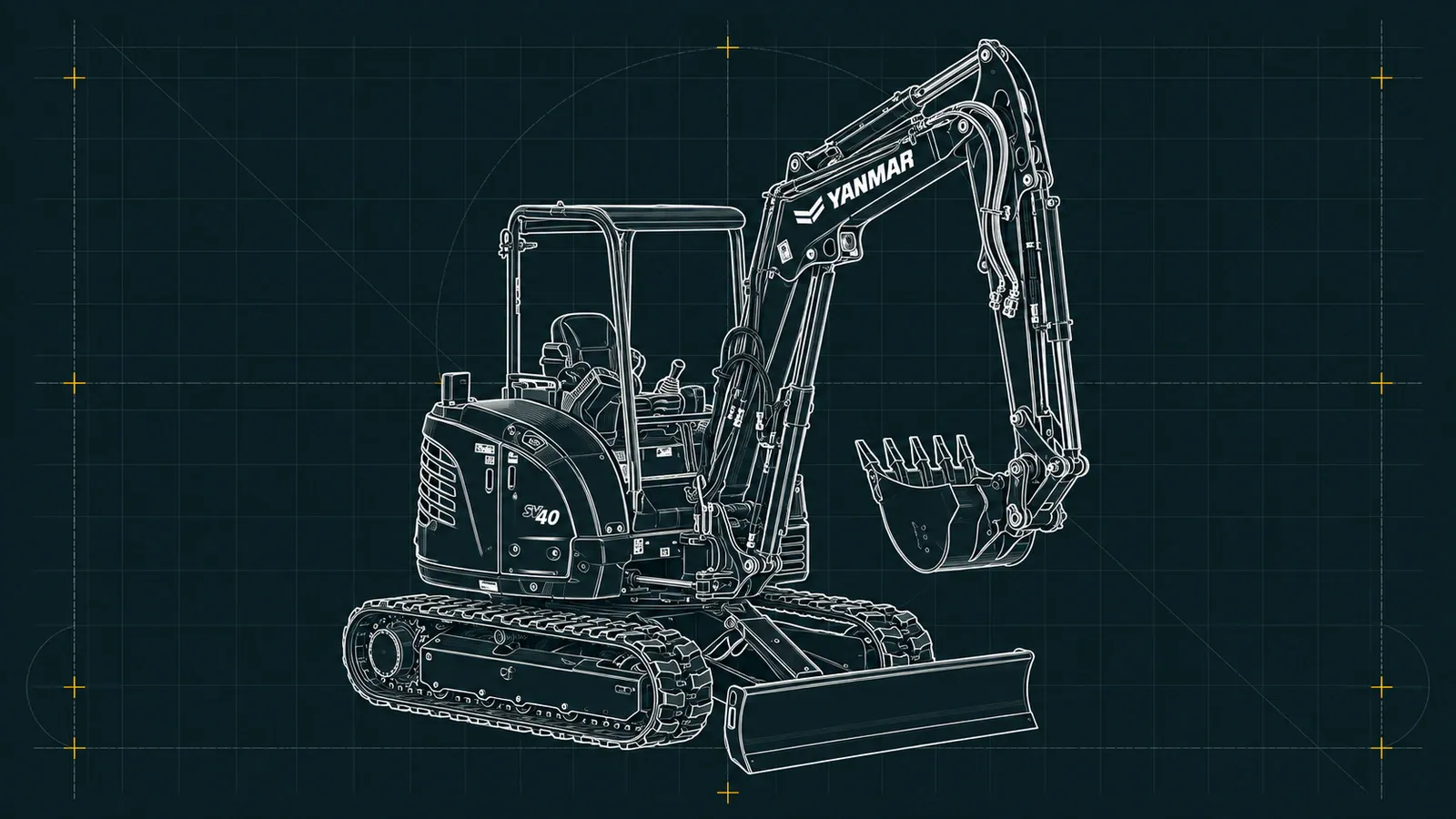
SV40 exact model title in linked North American Yanmar specification sheet; native imperial/metric pairs retained. · United States / North American reference
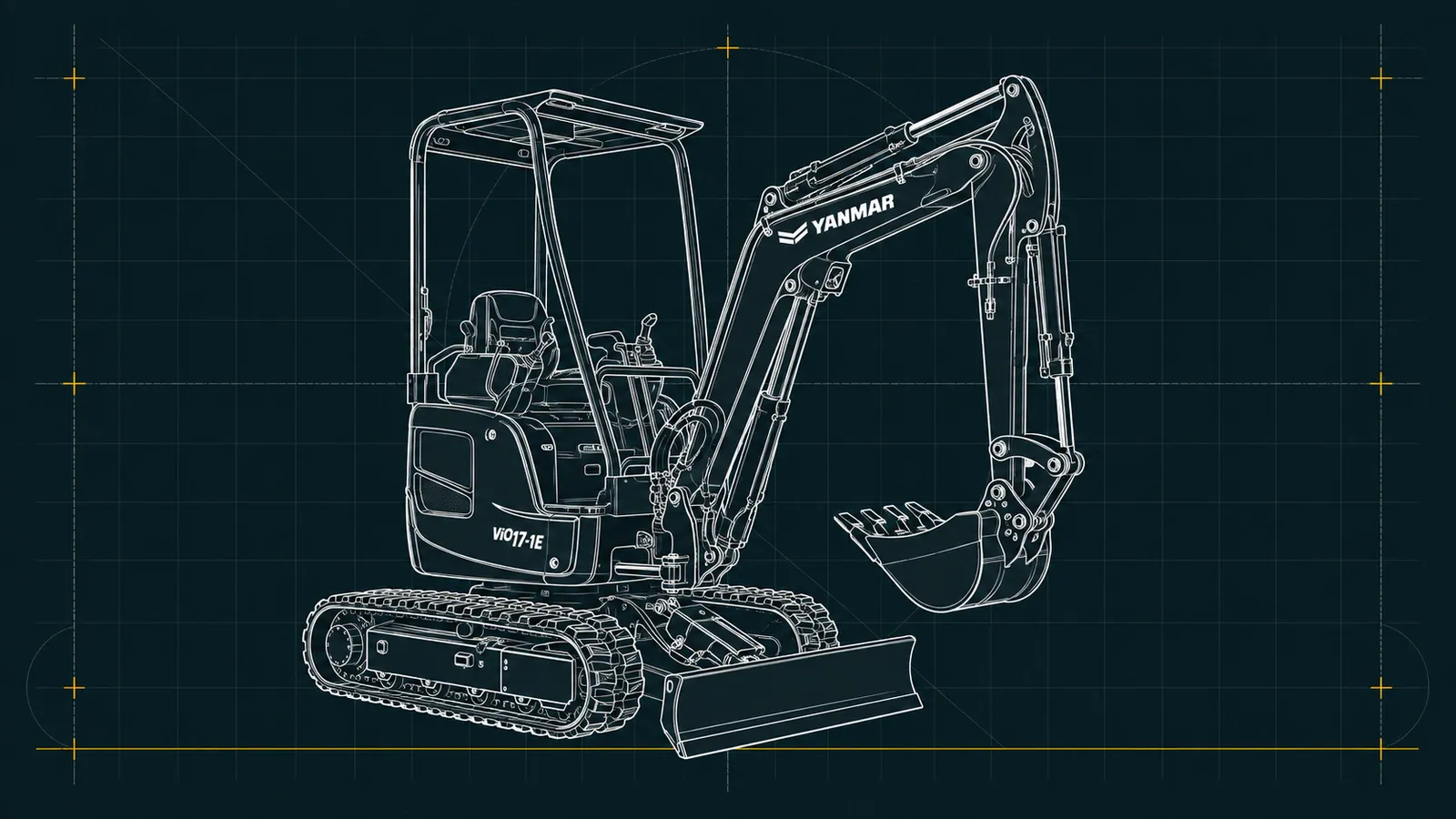
ViO17-1E exact model title in linked North American Yanmar specification sheet; native imperial/metric pairs retained. · United States / North American reference
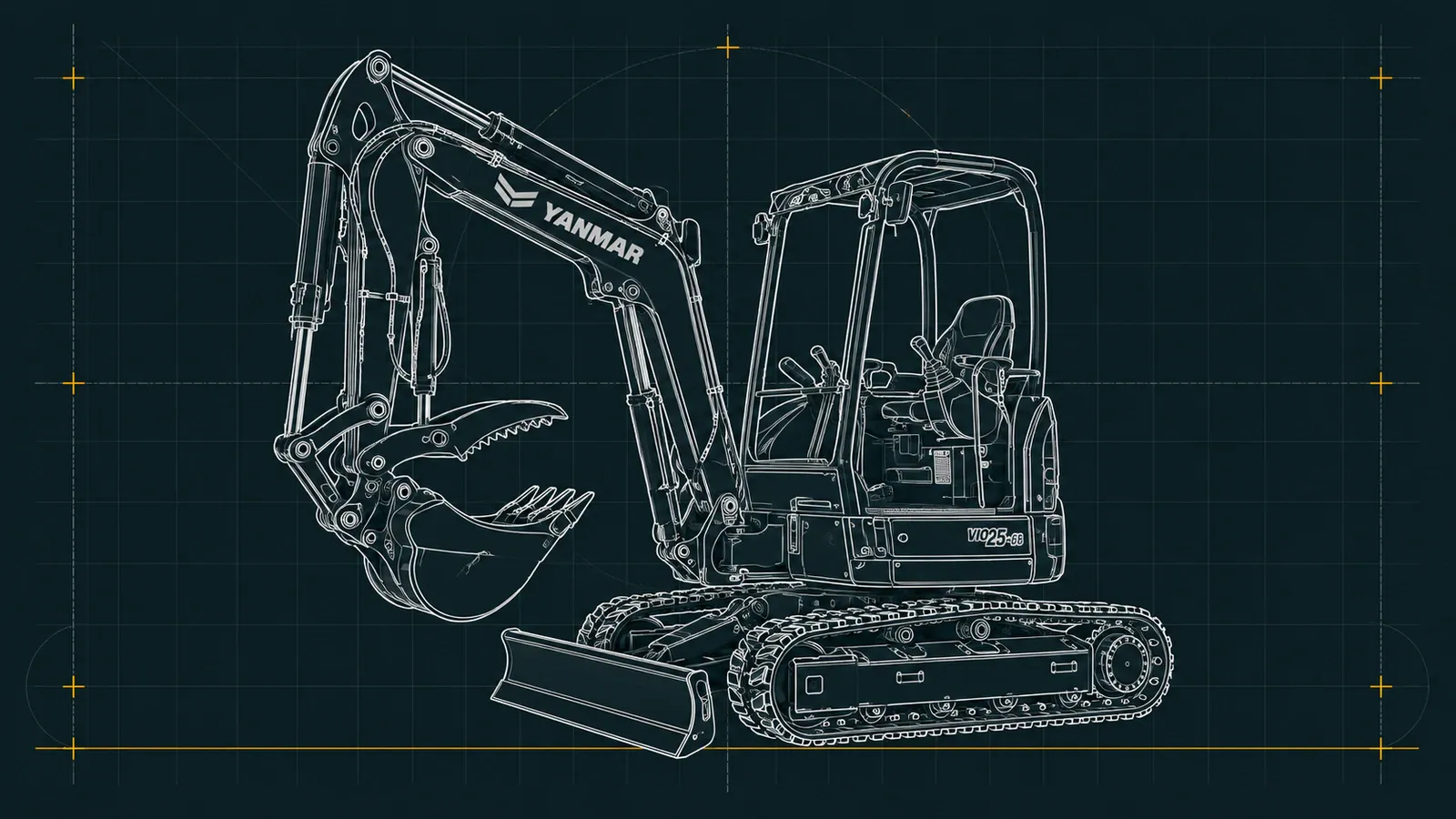
ViO25-6B exact model title in linked North American Yanmar specification sheet; native imperial/metric pairs retained. · United States / North American reference
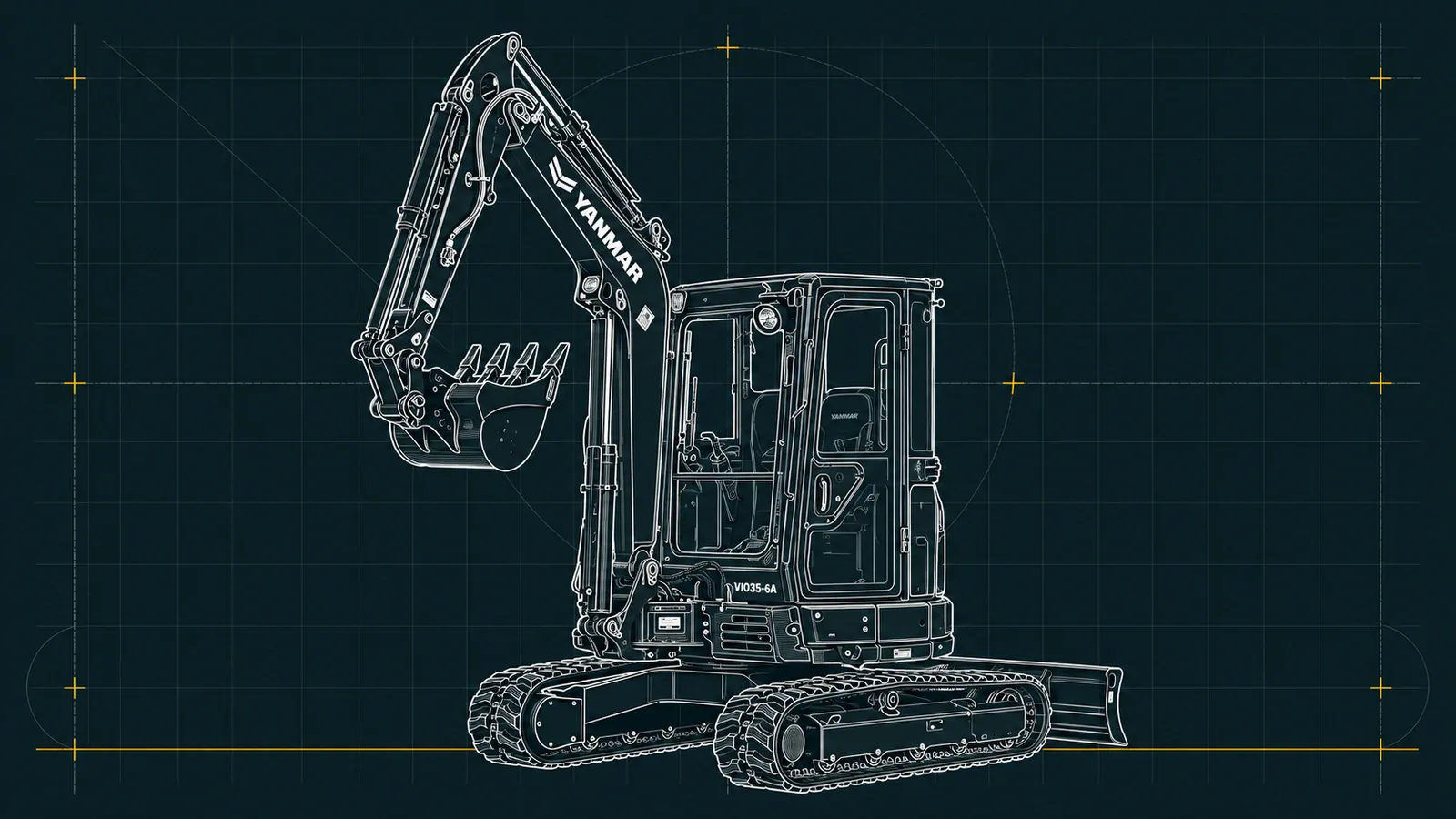
ViO35-6A exact model title in linked North American Yanmar specification sheet; native imperial/metric pairs retained. · United States / North American reference
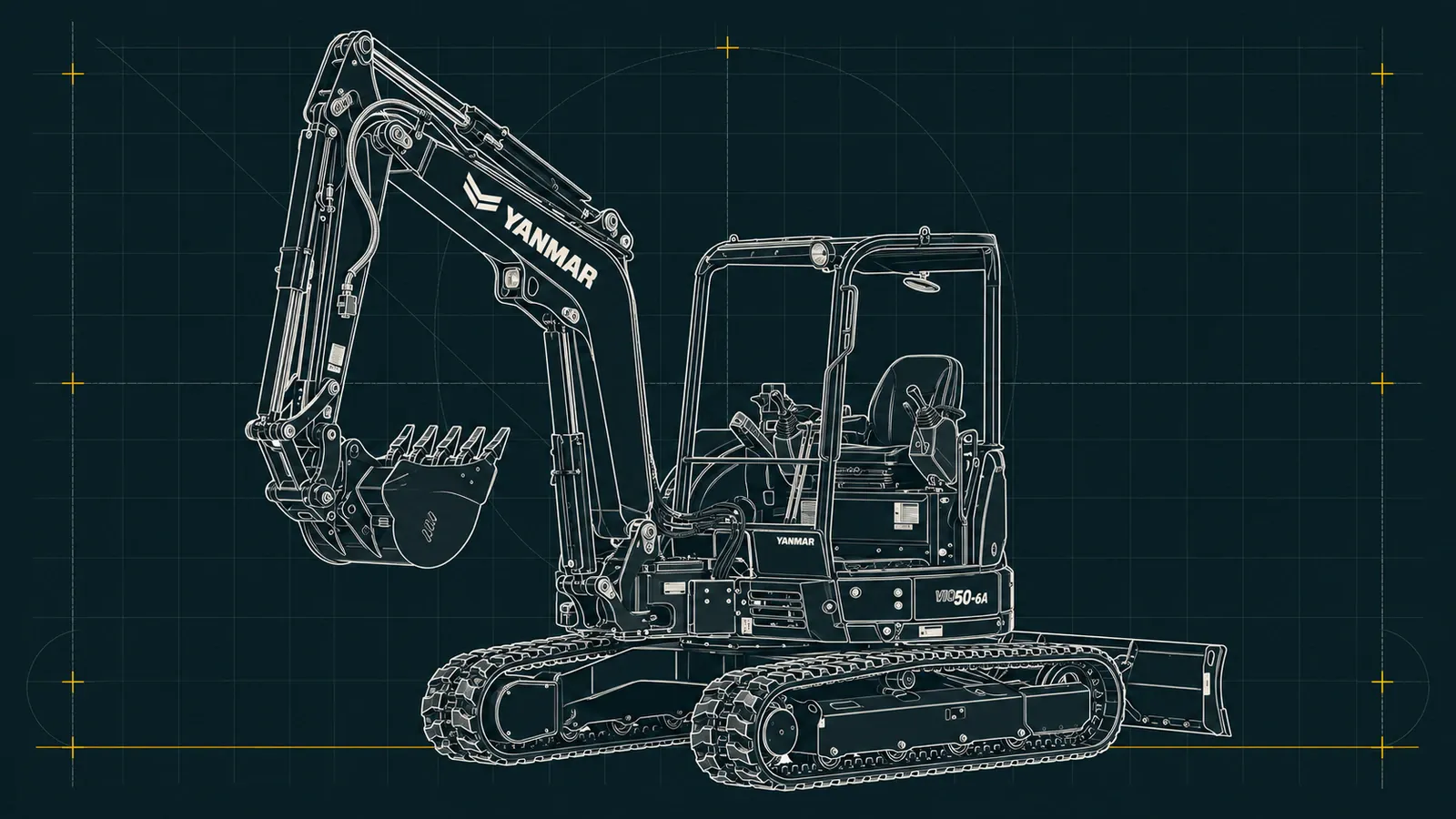
ViO50-6A exact model title in linked North American Yanmar specification sheet; native imperial/metric pairs retained. · United States / North American reference
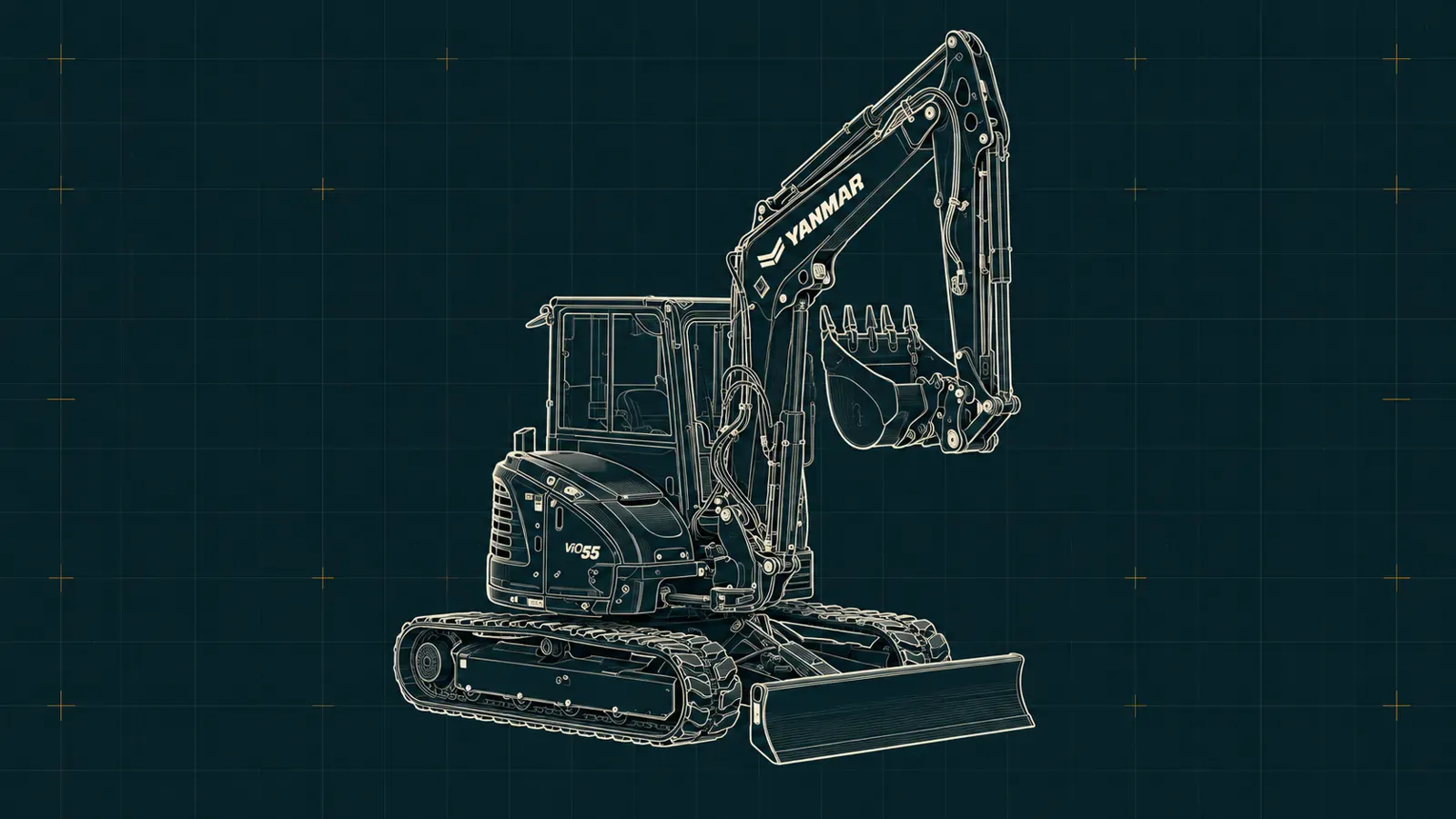
ViO55-6A exact model title in linked North American Yanmar specification sheet; native imperial/metric pairs retained. · United States / North American reference
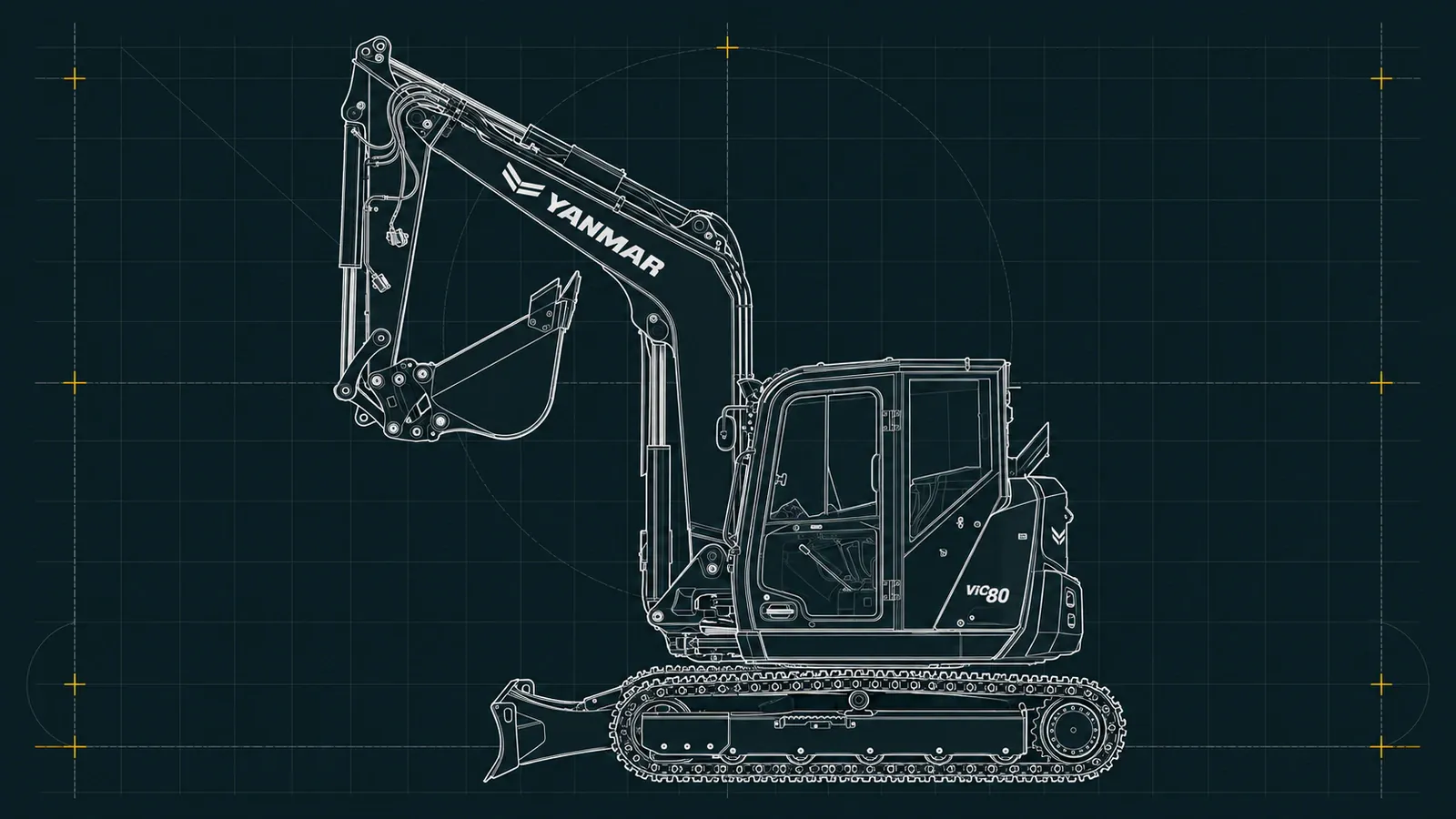
ViO80-7 exact model title in linked North American Yanmar specification sheet; native imperial/metric pairs retained. · United States / North American reference
Compare tail swing, machine width, blade configuration, transport weight and auxiliary hydraulics against the actual work. Trailer and tow-vehicle limits can be as important as digging performance.
Machine types and configurations
Micro excavators
Compact conventional-tail
Reduced-tail-swing
Zero-tail-swing
Cab and canopy configurations
Specifications that matter
Specification
Why it matters
Operating and transport weight
Check the travel configuration against trailer space, access restrictions and route requirements.
Overall width
Check the travel configuration against trailer space, access restrictions and route requirements.
Digging depth
Shows whether the configured machine fits the required work envelope.
Tail overhang
Check clearance behind the machine throughout its swing, especially near walls and traffic.
Auxiliary flow
Determines powered-attachment capability and circuit requirements.
Blade dimensions
Must suit the material, work envelope, machine geometry and configuration.
Coupler type
Match the exact attachment interface, locking system and hydraulic connections.
Before buying used
Check boom swing, slew play and blade pins
Inspect rubber tracks, sprockets and lower rollers
Confirm auxiliary lines and coupler operation with the intended work tools
Ownership costs to consider
Cost drivers
Rubber tracks and lower rollers
Boom-swing and slew components
Pins, bushings and coupler wear
Compact emissions systems
Plan your transport
Transport checklist
Check trailer payload after attachments
Measure actual width and overall height
Secure buckets and tools separately where required
Verify tow vehicle, hitch and axle ratings independently

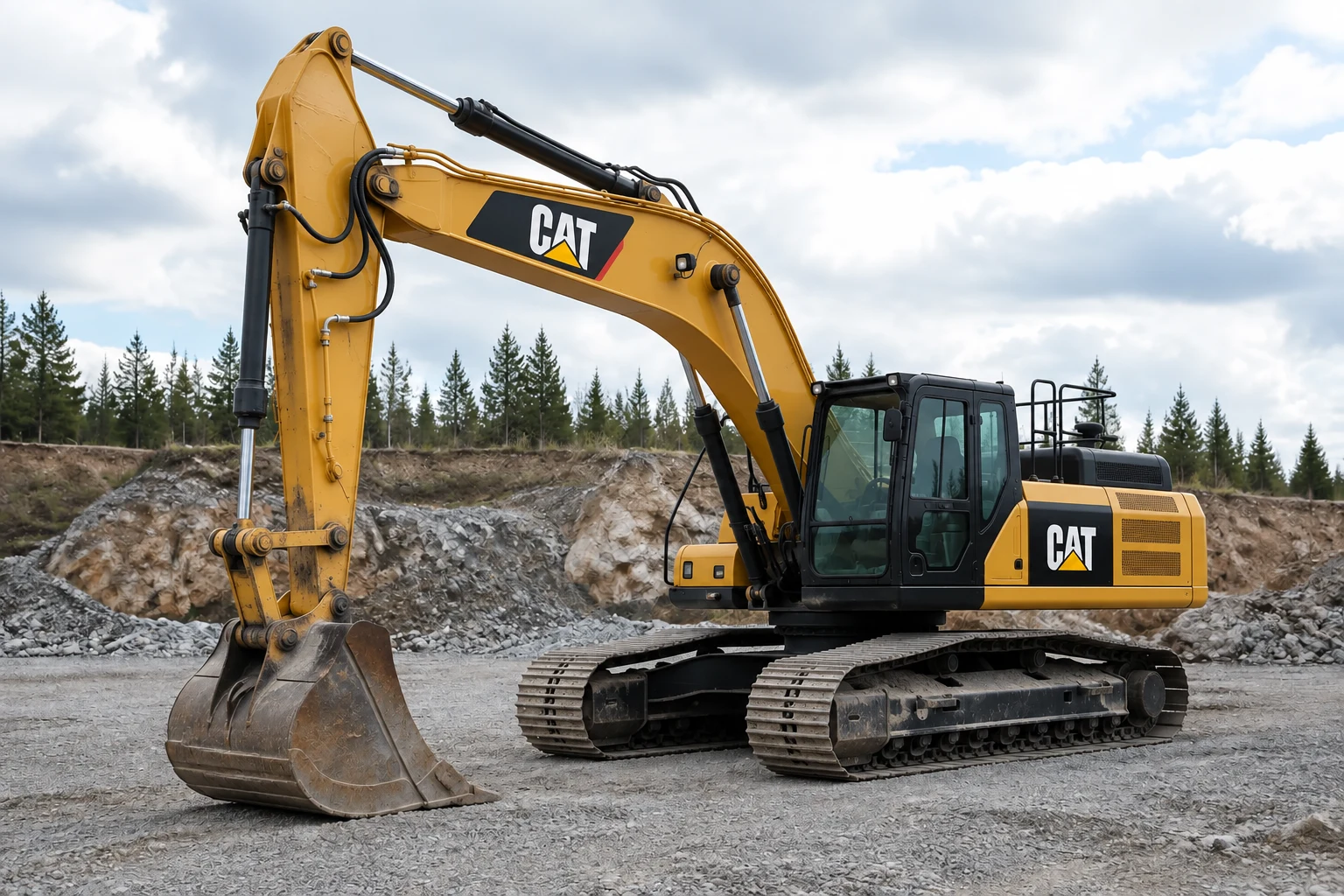 Earthmoving
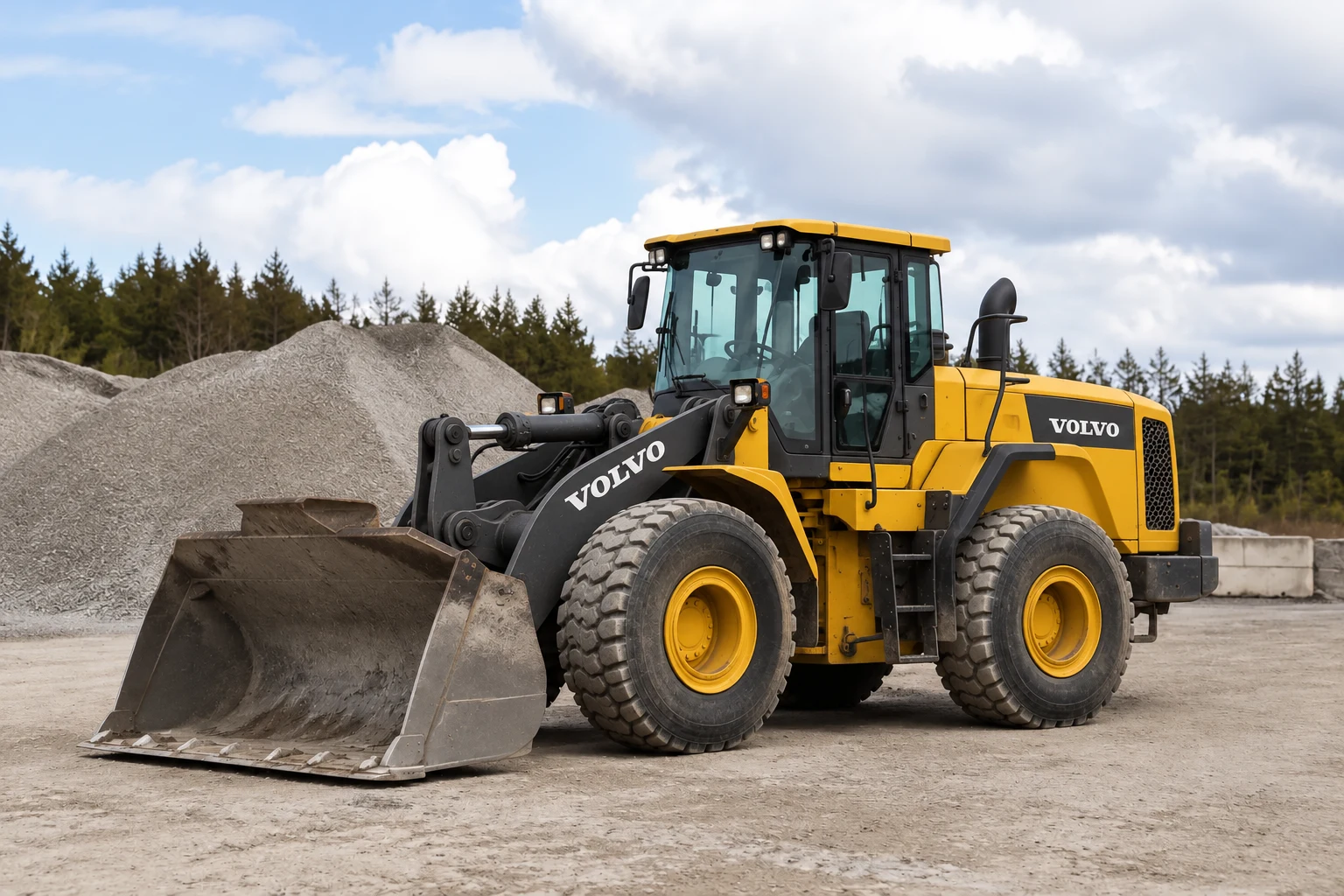 Earthmoving
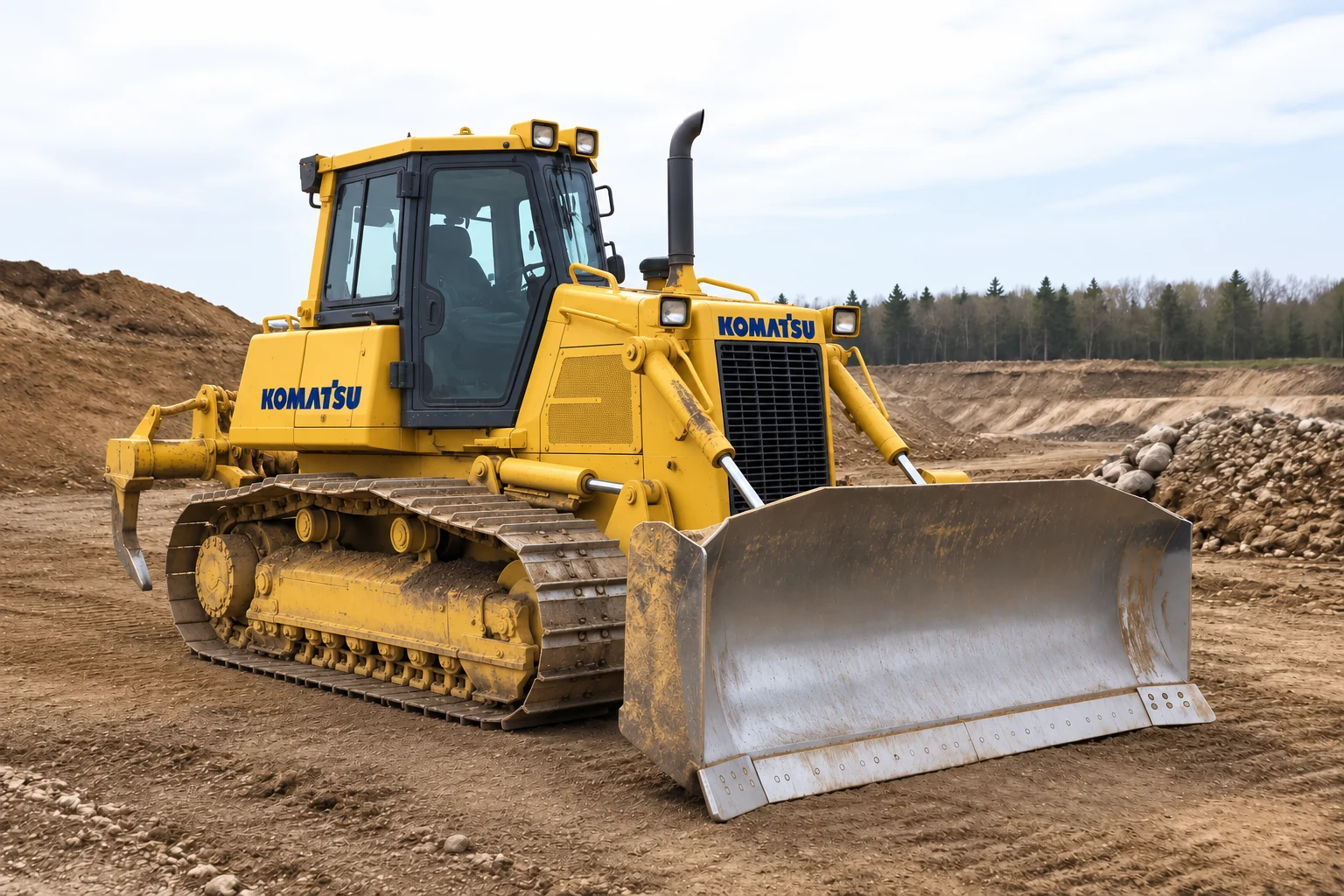 Earthmoving
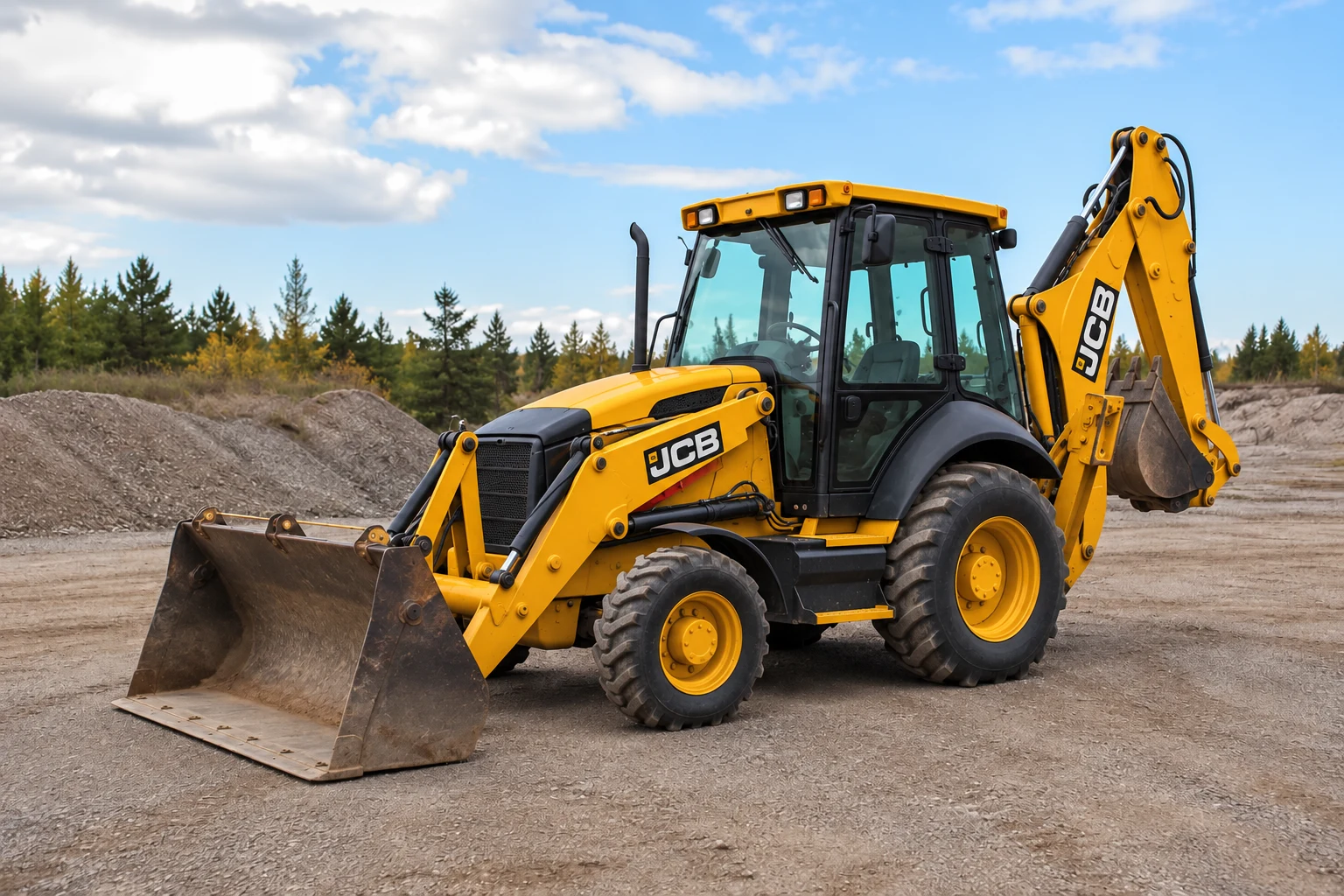 Earthmoving