Match the machine to digging depth, reach, lift requirements, ground conditions, transport limits and the hydraulic demands of the intended attachments. A larger machine is not automatically more productive when access, mobilization and finishing work matter.
Machine types and configurations
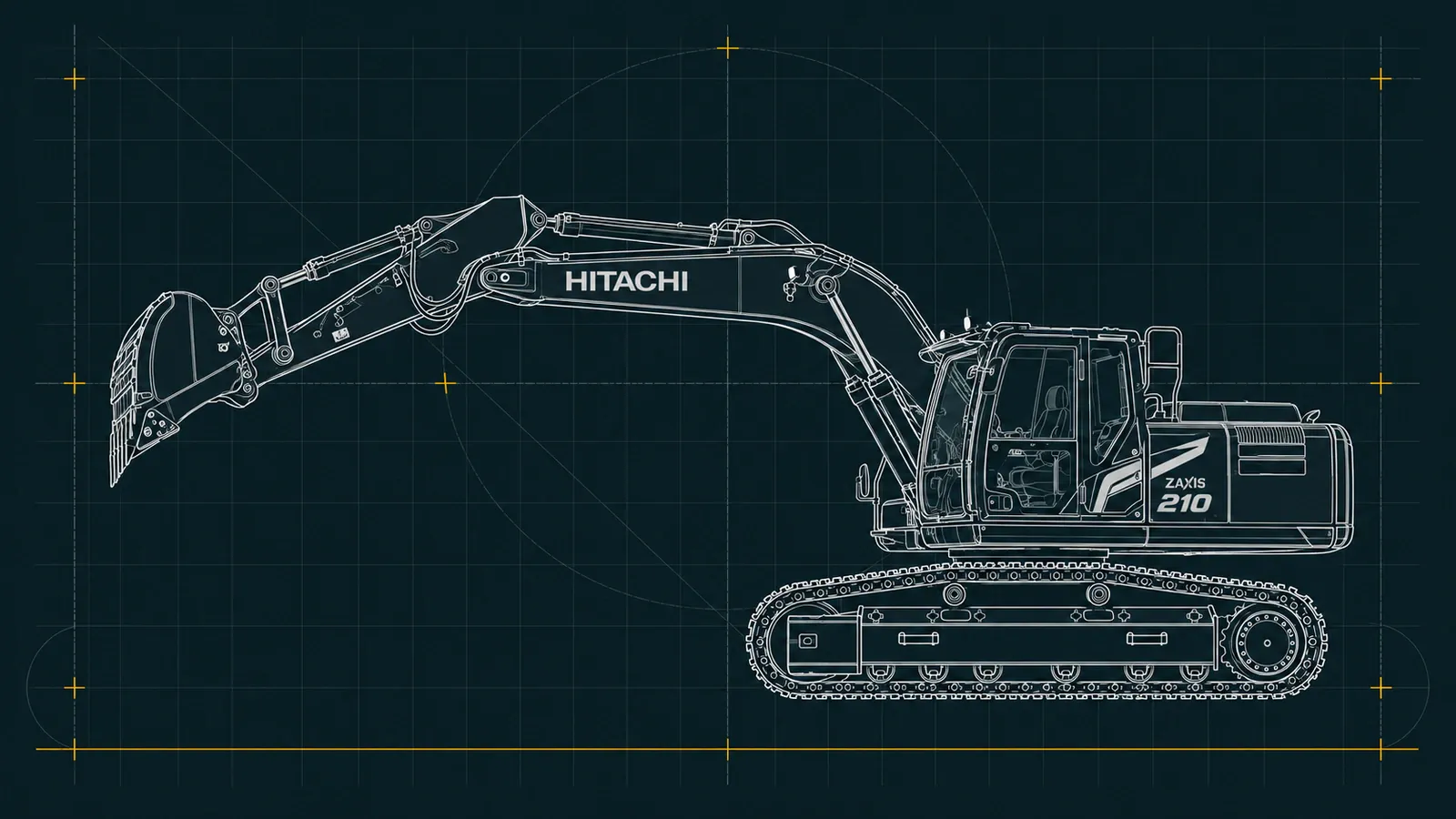
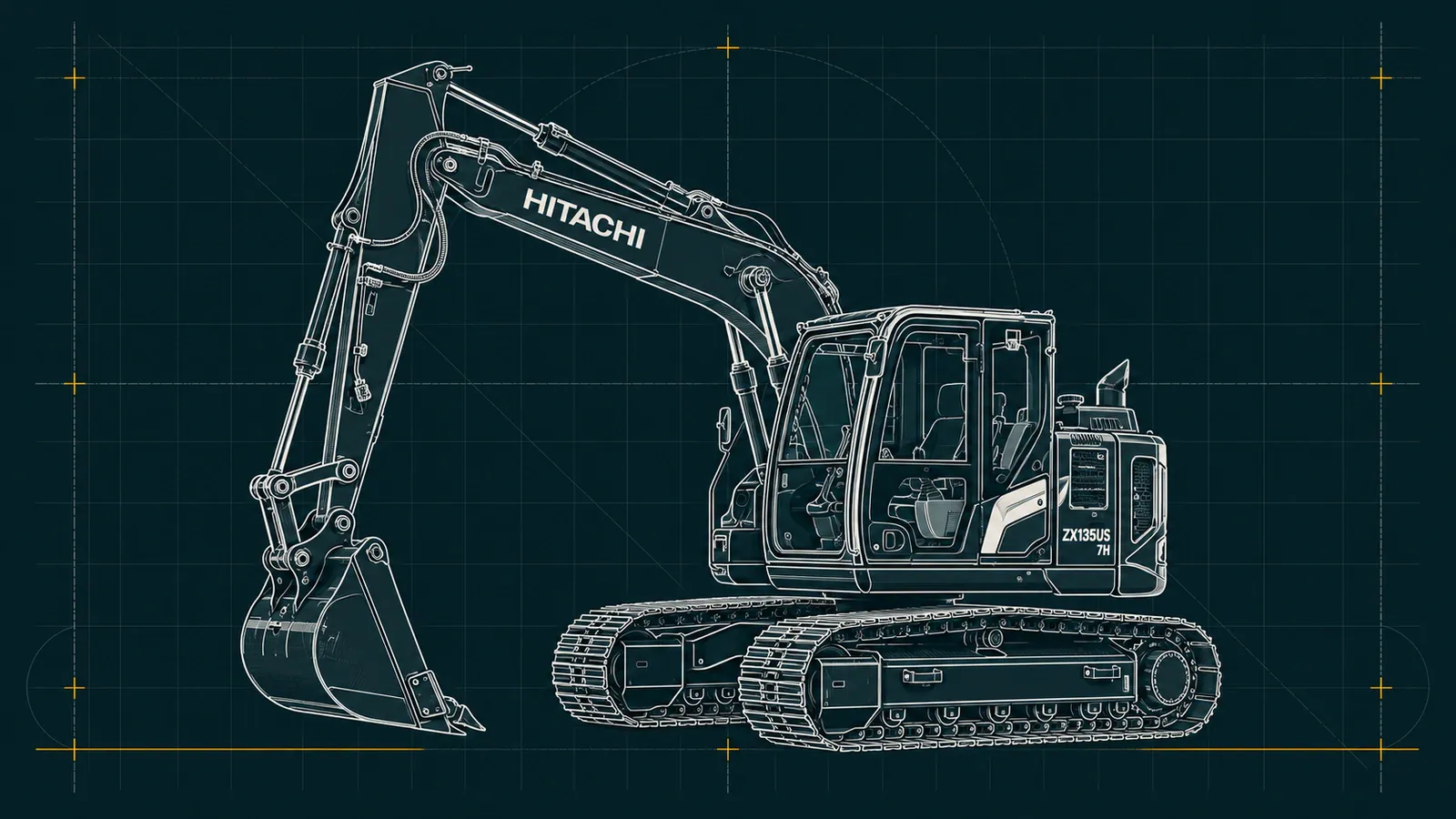
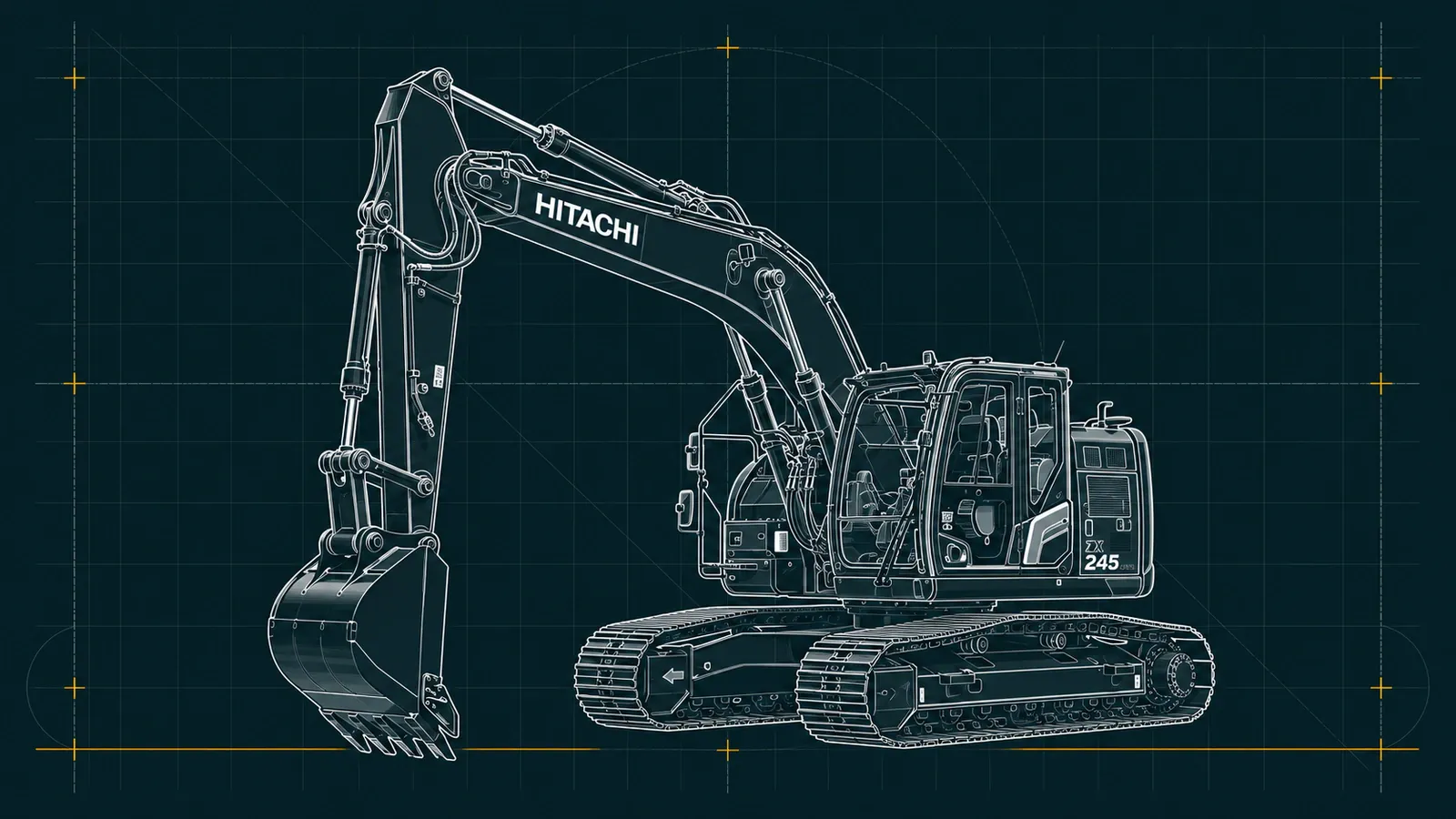
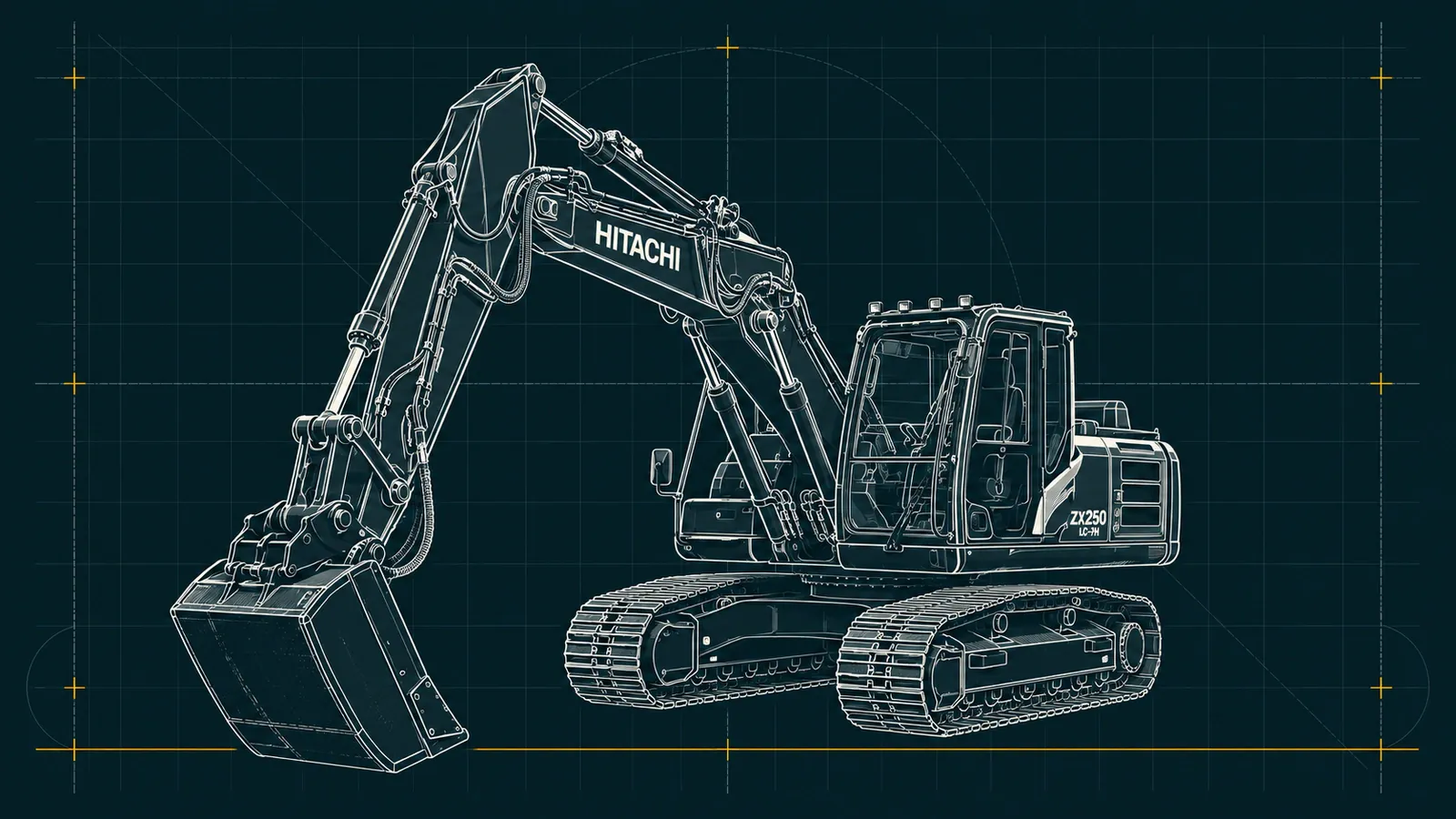
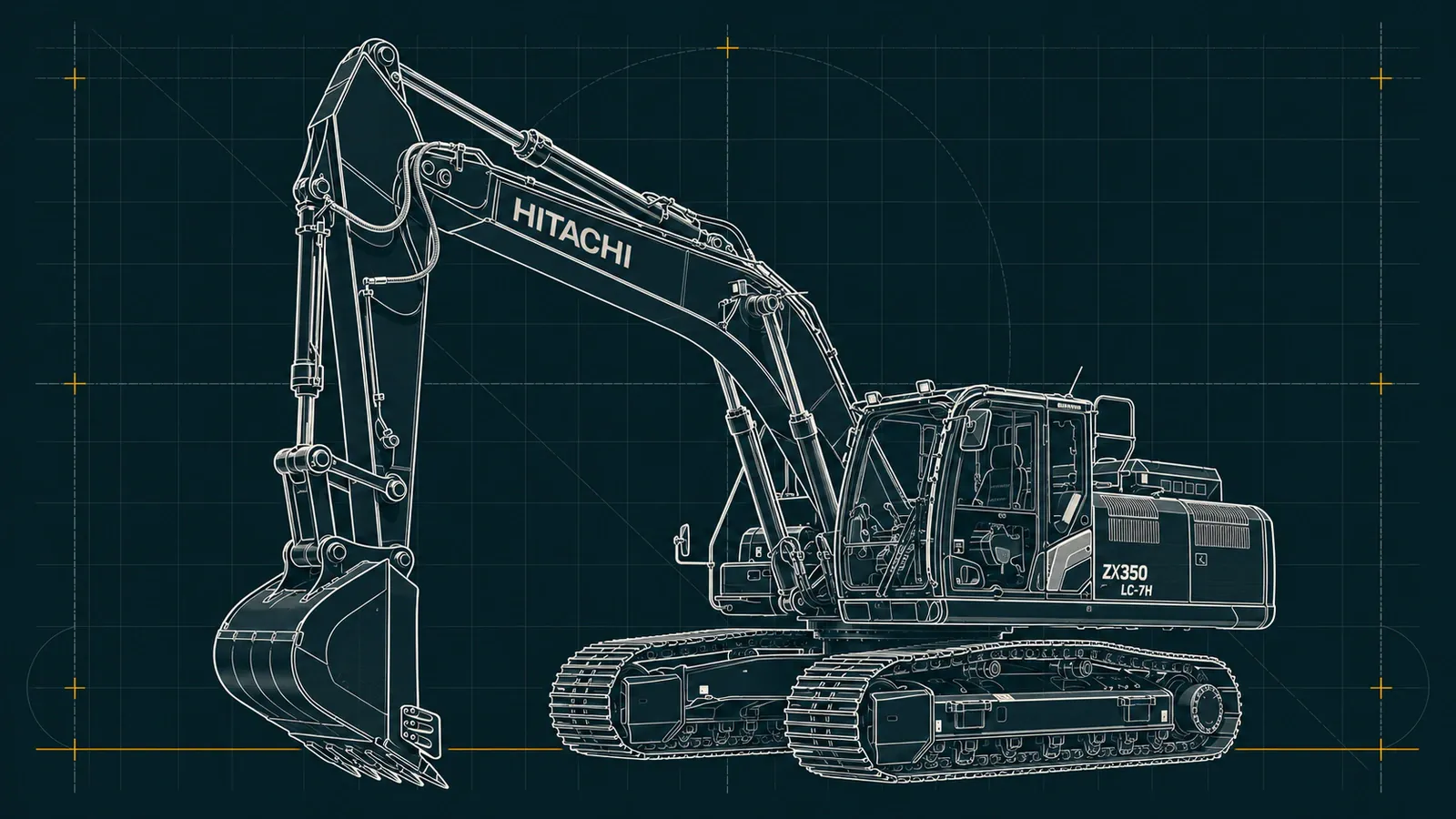
Mid-size crawler
Large crawler
Wheeled
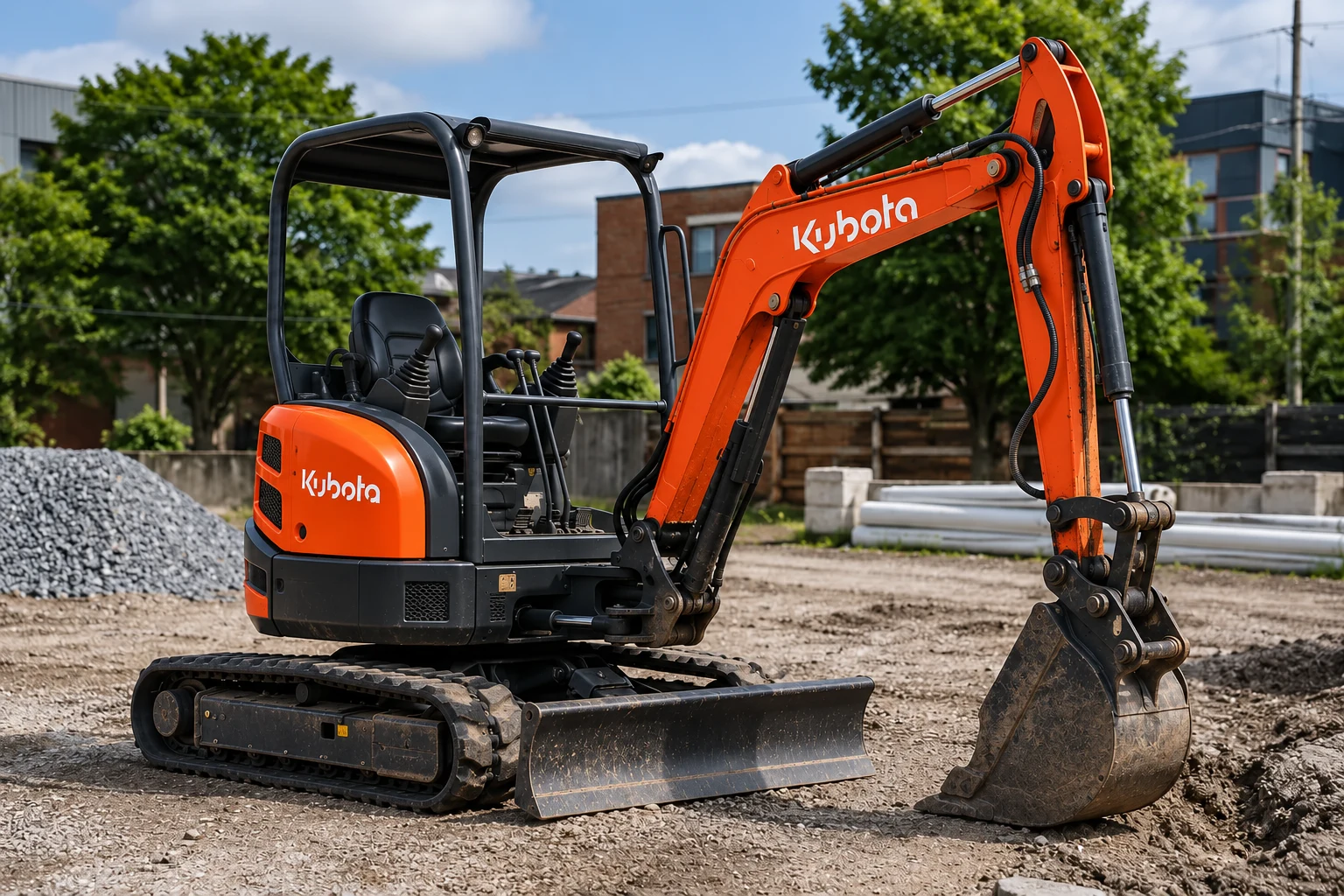
Reduced- and zero-tail-swing
Long-reach and specialty; mini excavators have a separate category
Specifications that matter
Specification
Why it matters
Operating weight
Defines machine class, transport exposure and stability context.
Engine output
Compare the same power rating standard and the demands of the intended work.
Maximum digging depth and reach
Shows whether the configured machine fits the required work envelope.
Bucket capacity
Must suit the material, work envelope, machine geometry and configuration.
Tail-swing type
Check clearance behind the machine throughout its swing, especially near walls and traffic.
Auxiliary hydraulic flow
Determines powered-attachment capability and circuit requirements.
Transport dimensions
Check the travel configuration against trailer space, access restrictions and route requirements.
Before buying used
Measure undercarriage wear rather than relying on appearance
Cycle boom, stick and bucket while checking cylinders, pins and bushings
Review cold-start behaviour, service records and emissions-system warnings
Ownership costs to consider
Cost drivers
Tracked undercarriage
Pins, bushings and linkage
Hydraulic pumps, cylinders and final drives
Emissions and grade-control systems
Plan your transport
Transport checklist
Measure the travel configuration, not brochure dimensions
Record fitted bucket, coupler and removable attachments

 Earthmoving
 Earthmoving
 Earthmoving
 Earthmoving