Bucket size must suit material density, tipping load and truck height. Buyers should consider breakout force, dump clearance, coupler system, tire cost and whether the machine will spend more time loading, carrying or handling forks.
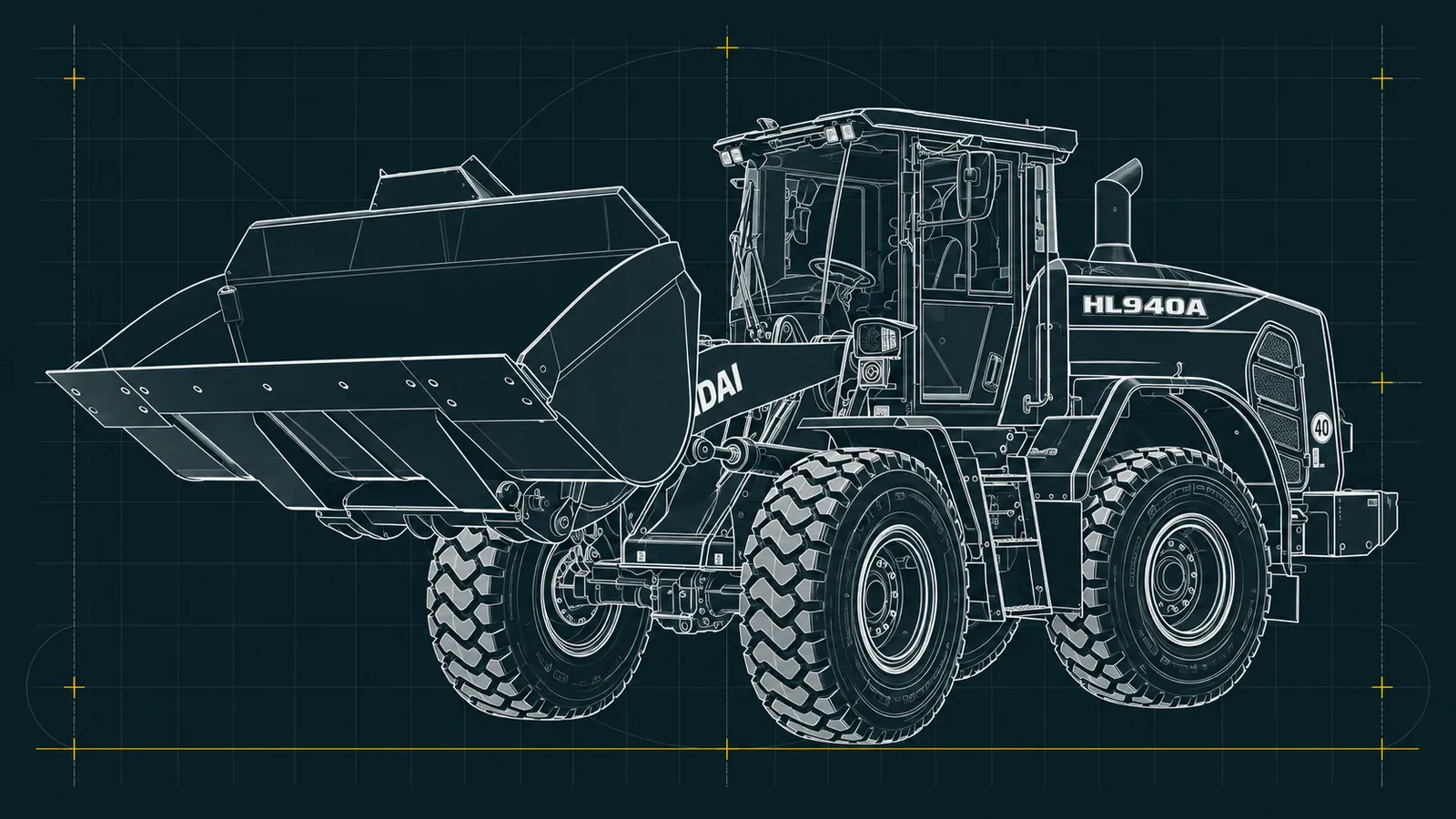
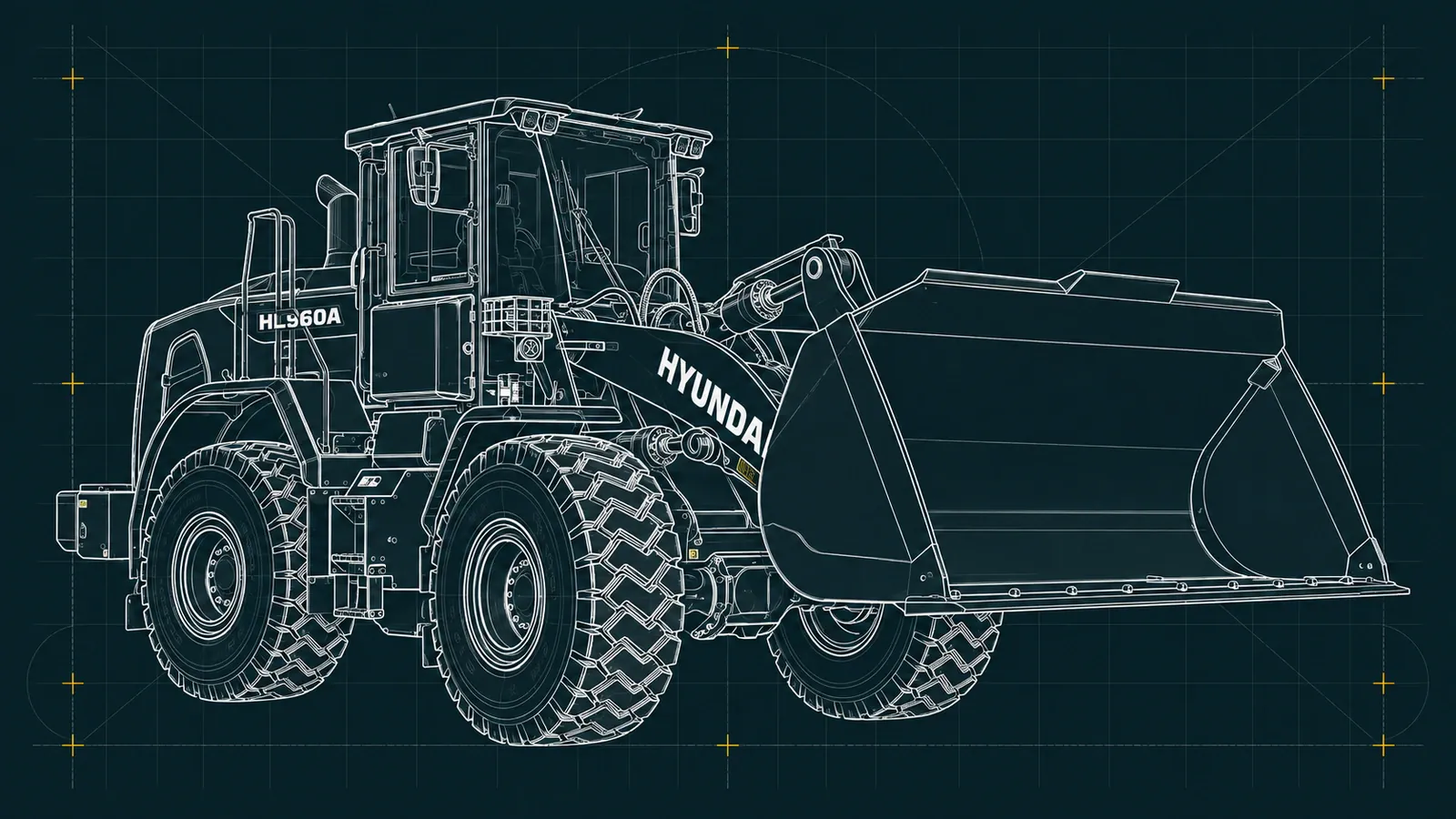
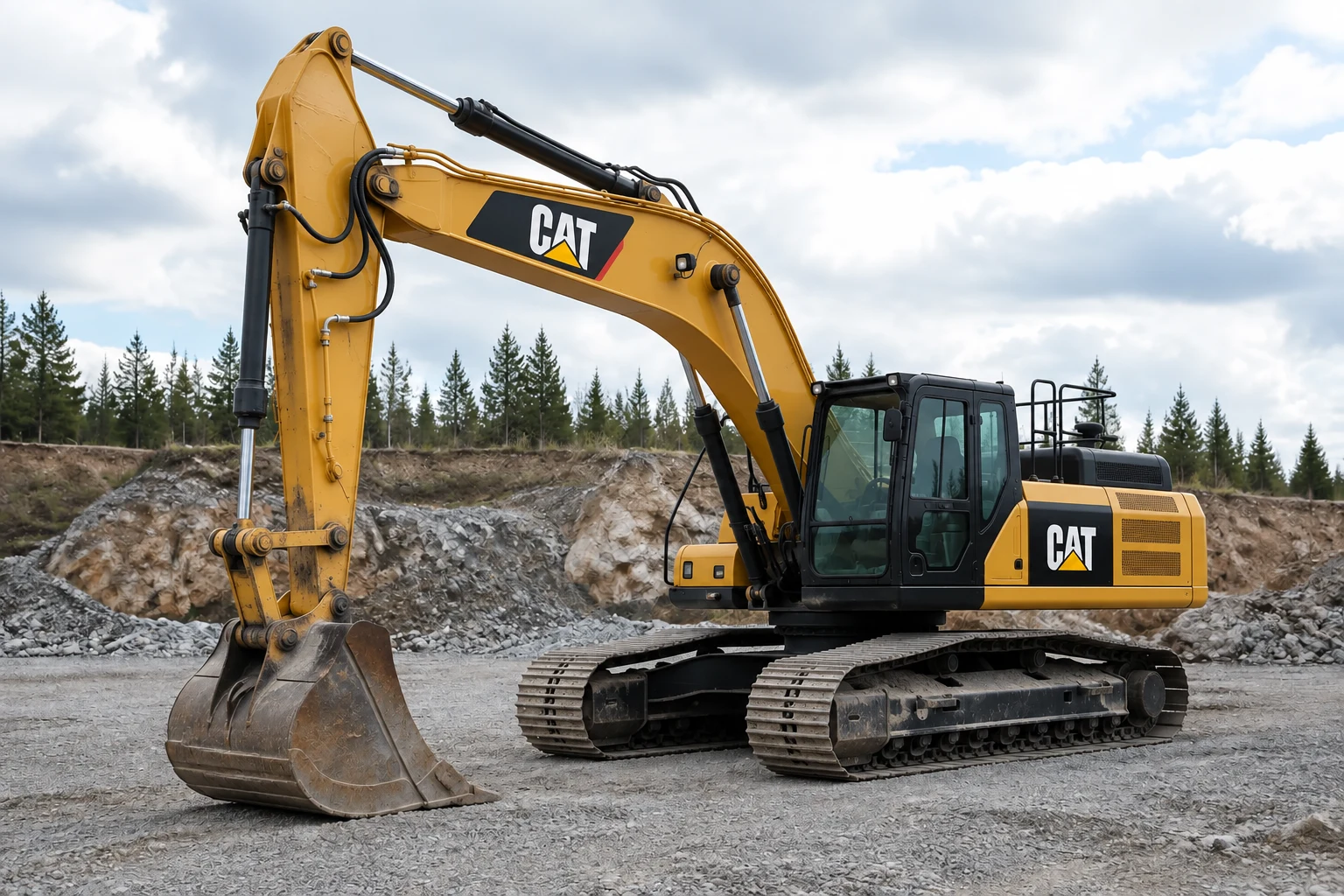
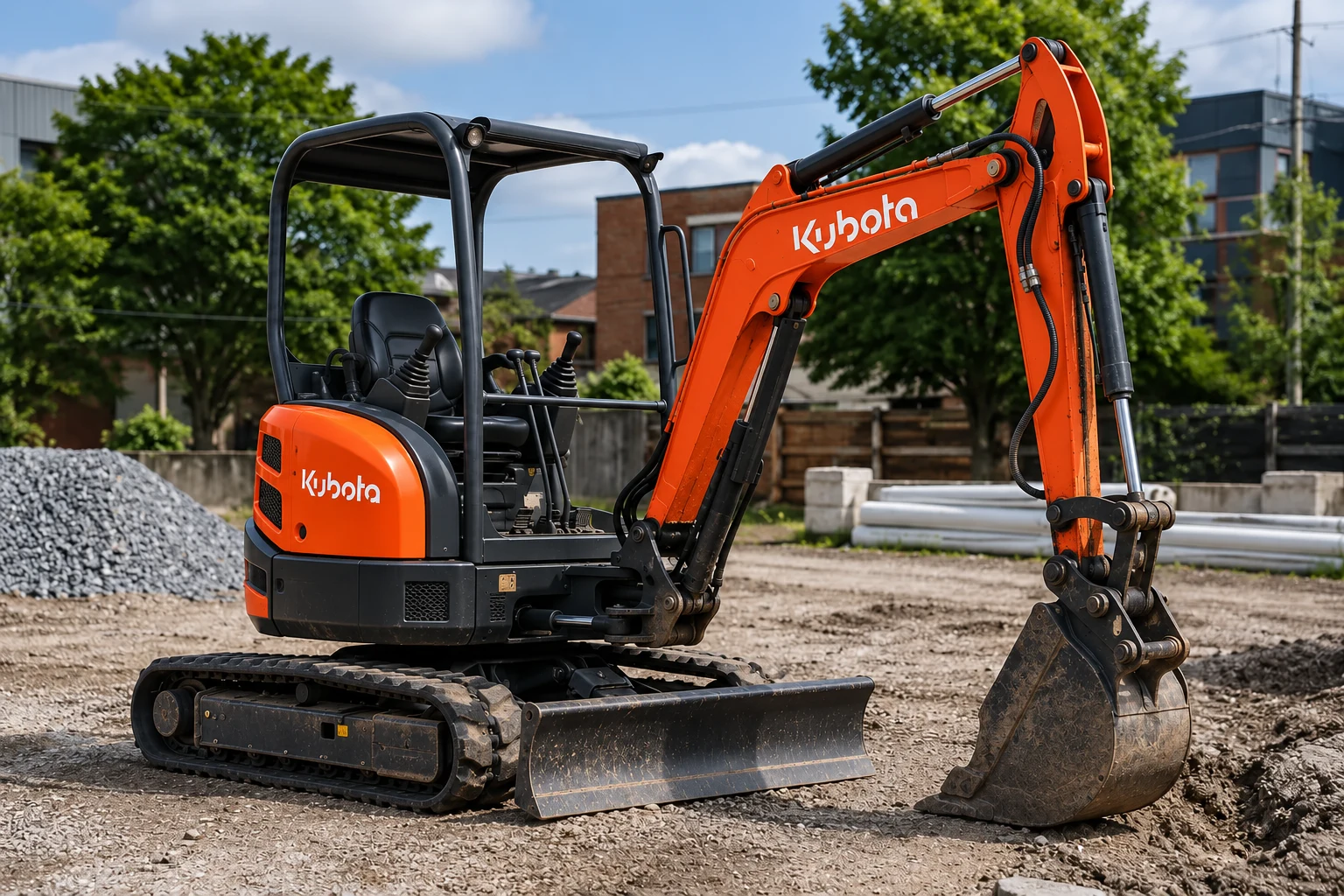
Machine types and configurations
Compact
Small
Mid-size
Large production
High-lift and waste-handler configurations
Specifications that matter
Specification
Why it matters
Operating weight
Defines machine class, transport exposure and stability context.
Horsepower
Compare the same power rating standard and the demands of the intended work.
Bucket capacity
Must suit the material, work envelope, machine geometry and configuration.
Breakout force
Compare the serial-specific configuration and intended work, not the label alone.
Tipping load
Must be read with the applicable configuration, stability limits and duty.
Dump clearance
Compare the serial-specific configuration and intended work, not the label alone.
Tire size and condition
Affects traction, flotation, wear cost, width and transport.
Before buying used
Check centre articulation and steering play
Inspect tires for matched size, cuts and remaining life
Load the hydraulics and inspect lift-arm, bucket and coupler pins

 Earthmoving
 Earthmoving
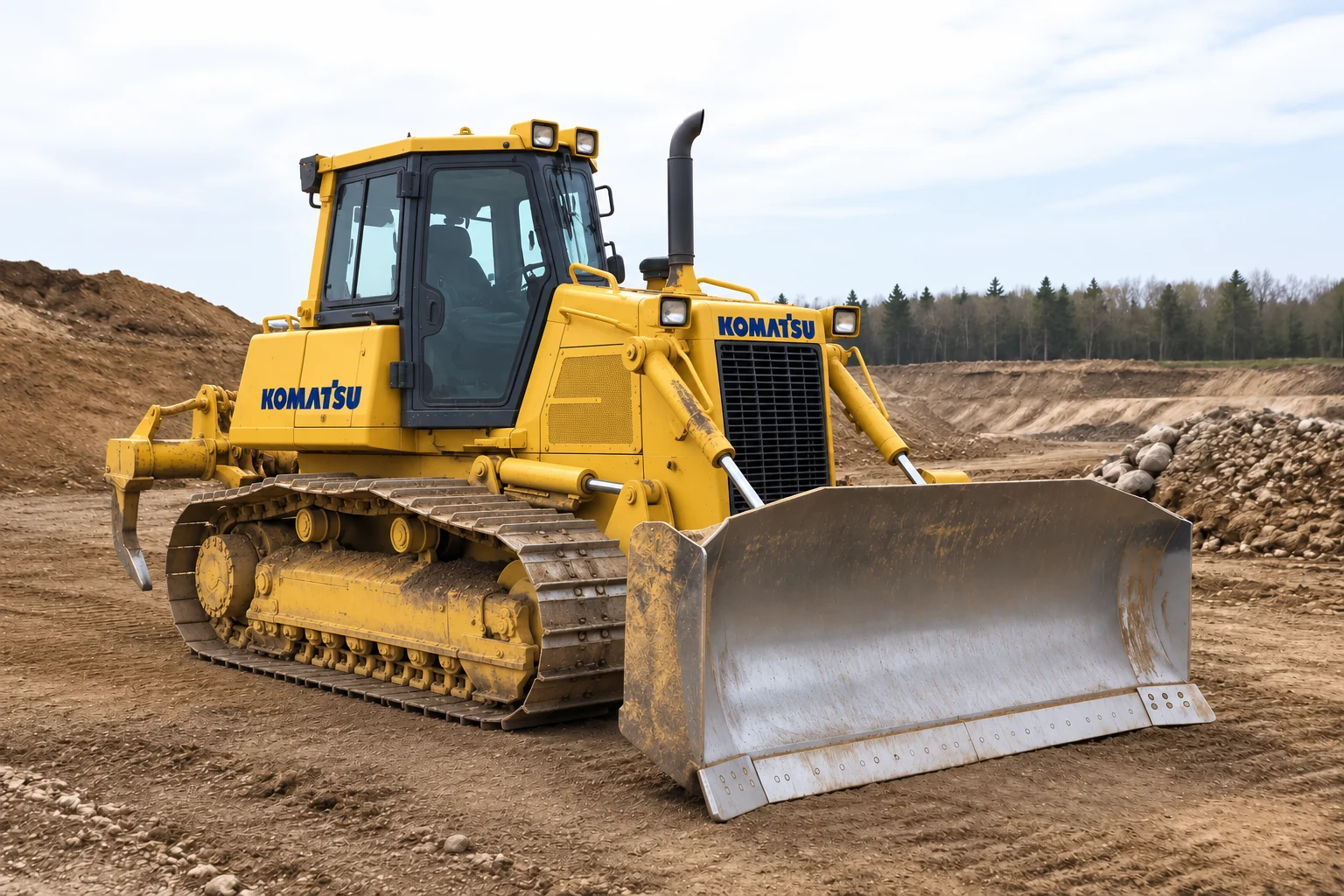 Earthmoving
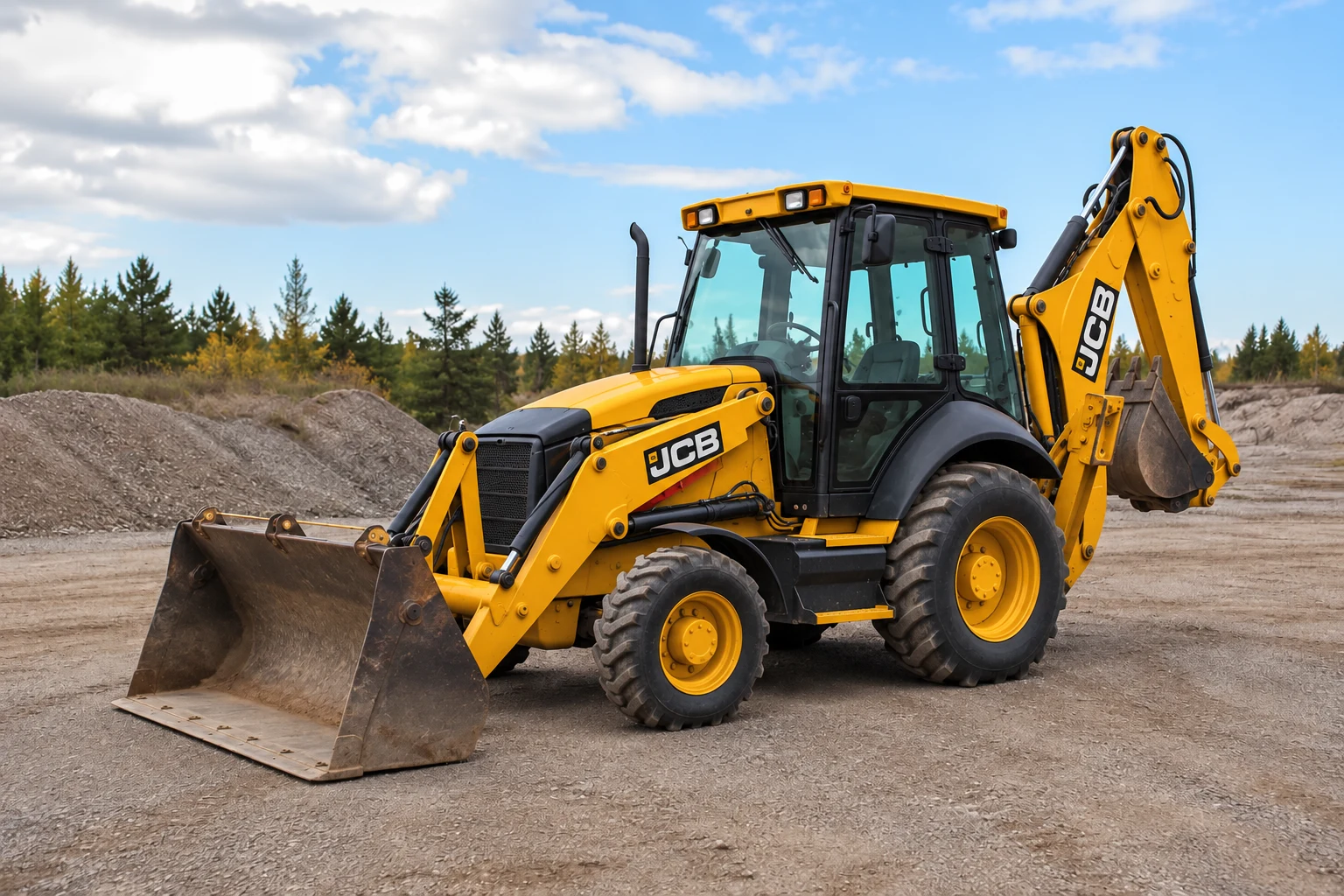 Earthmoving