Break the route into tasks
List open lots, loading areas, confined paths, curb lines and stacking or removal points. Identify surface sensitivity, access width and overhead restrictions. Determine whether snow will be pushed, contained, loaded out or blown; each process changes the attachment and support-vehicle requirement.
Compare carriers using the fitted tool
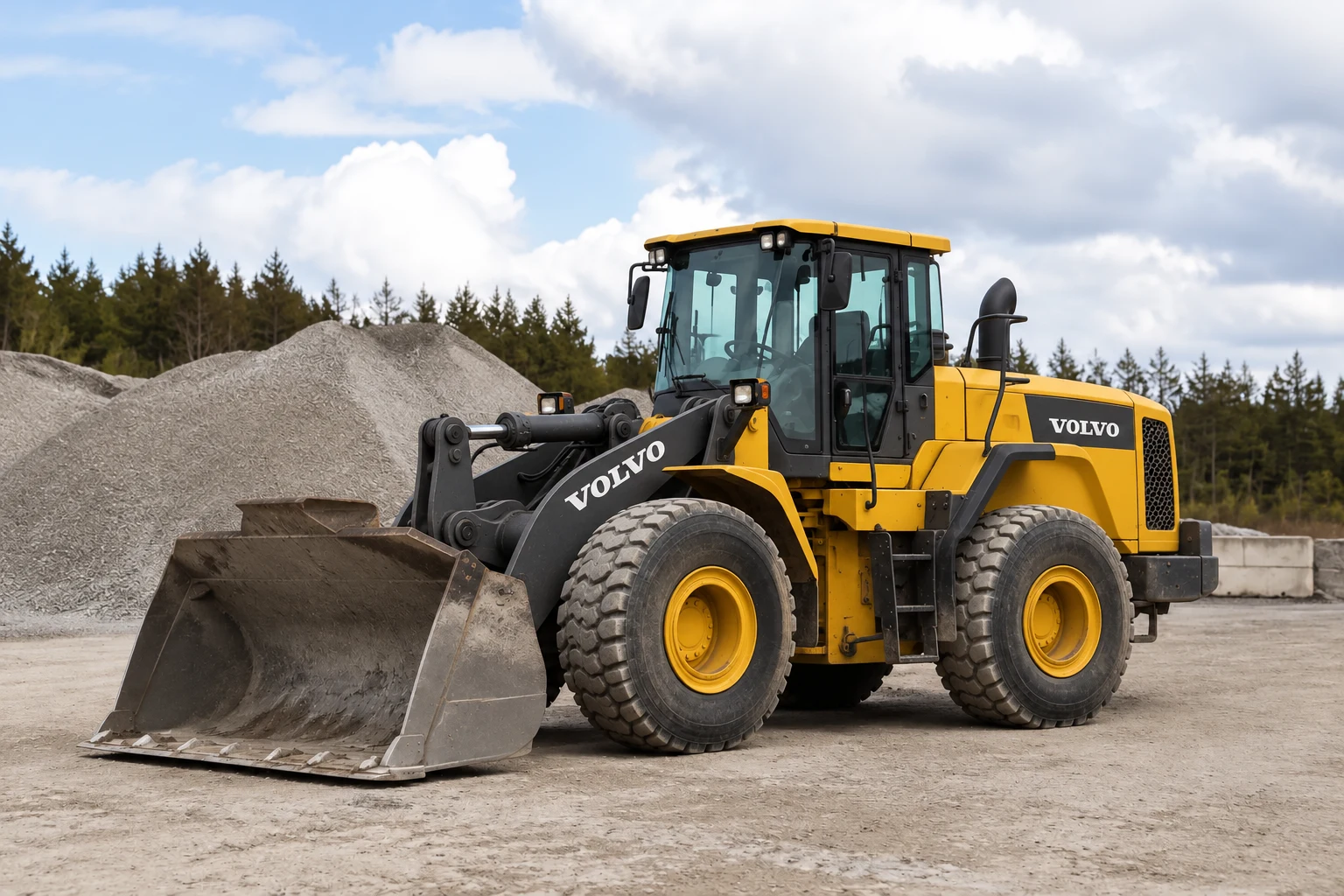
A wheel loader, skid steer and CTL offer different movement and attachment packages. Compare the actual blade, pusher, bucket or blower interface and its full width. A loader’s tire width is not the width of the snow tool, and bucket hinge-pin height does not prove clearance over a removal truck.
Verify seasonal equipment
Confirm tires or tracks, lighting, visibility aids, cab heat and tool controls actually fitted. Check the attachment maker’s requirements for hydraulics, return circuits and protection. These research links do not certify a snow attachment as compatible with a specific carrier or approve traction equipment for every surface.
Compare the seasonal ownership case
Model route hours, travel between properties, standby availability and off-season use. Include attachment wear, tire or track condition, transport and storage. Use actual contracts and supported utilization assumptions; no snow production rate, local price or traction ranking is inferred from machine specifications.
Decision worksheet
| Requirement | Evidence to collect | Effect on equipment choice |
|---|---|---|
| Route geometry | Widths, turns, obstacles and storage points | Choose complete tool width and maneuvering package |
| Snow destination | Push, stack, load out or blow | Select the attachment and support vehicles |
| Seasonal utilization | Route hours, standby and off-season work | Compare rental and ownership on the same schedule |
Before you decide
Questions to close out
- Map the whole route and snow destination.
- Confirm attachment fitment and hydraulic requirements.
- Inspect seasonal controls, visibility and wear parts.
- Include standby and off-season assumptions.
The useful comparison is the complete route-ready package and seasonal work schedule, not a universal best snow machine.
Continue your research
Sources and further reading
Technical references supporting this guide. Machine manuals and documentation for the actual configuration remain essential when applying the guidance.