Earthmoving · Equipment guide

CASE Construction Equipment Wheel Loaders

Explore 4 case construction equipment wheel loaders models, compare specifications and plan your next purchase.

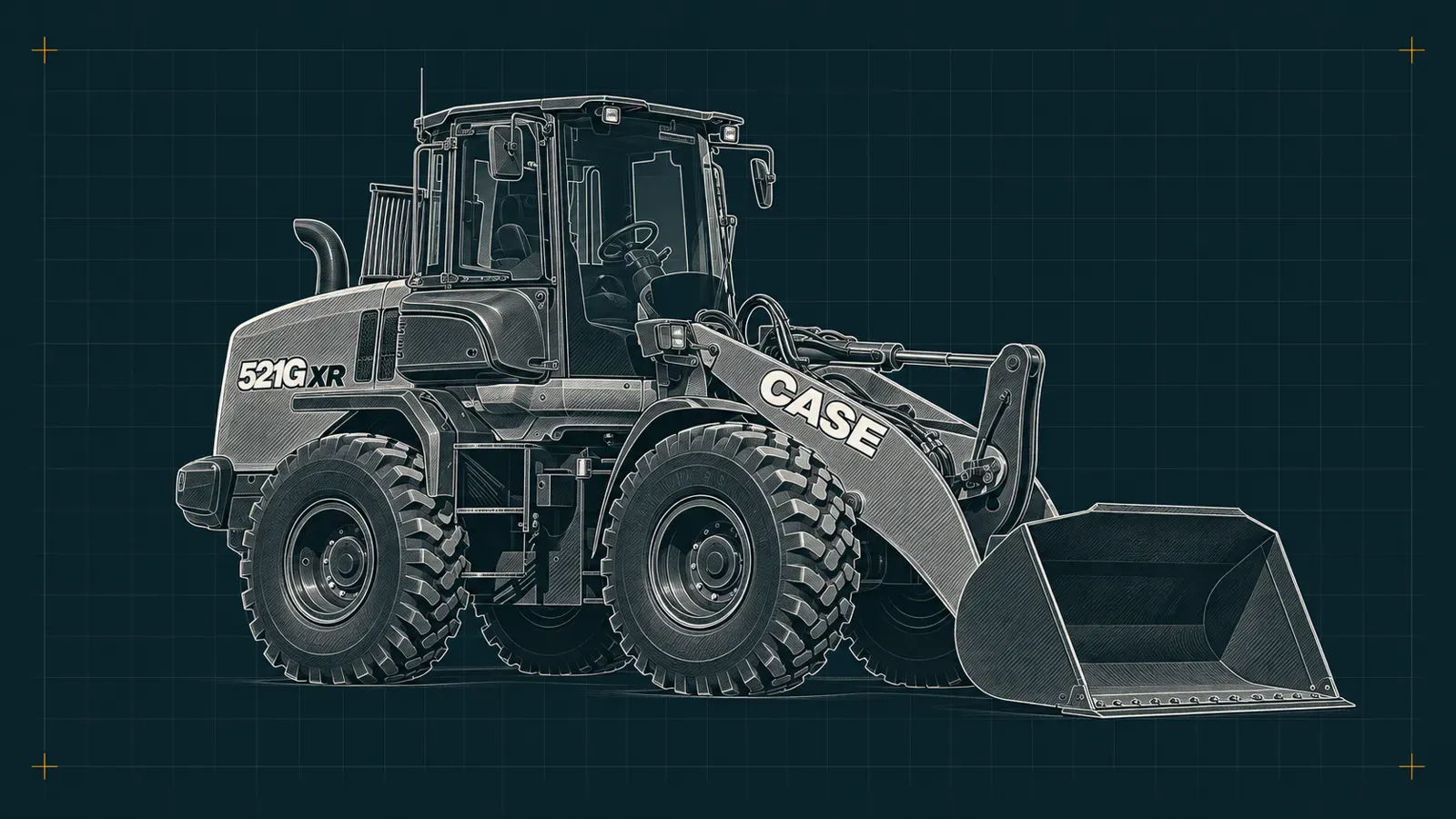
CASE 521G Wheel Loader

Model specifications

Browse CASE Construction Equipment wheel loader models

4 models

Search all equipment specs

1–4 of 4 models

Wheel Loaders
Current manufacturer catalogue

CASE 521G Wheel Loader

CASE 521G Wheel Loader

G-series; July 2024 Tier 4 Final / Stage V technical specification; XR linkage reference configuration · United States / North American reference

Operating weight
24,485 lb11 106 kg
Peak net
133 hp99 kW
Hinge pin height – fully raised
13 ft 0.9 in3 985 mm
View specifications
Wheel Loaders
Current manufacturer catalogue

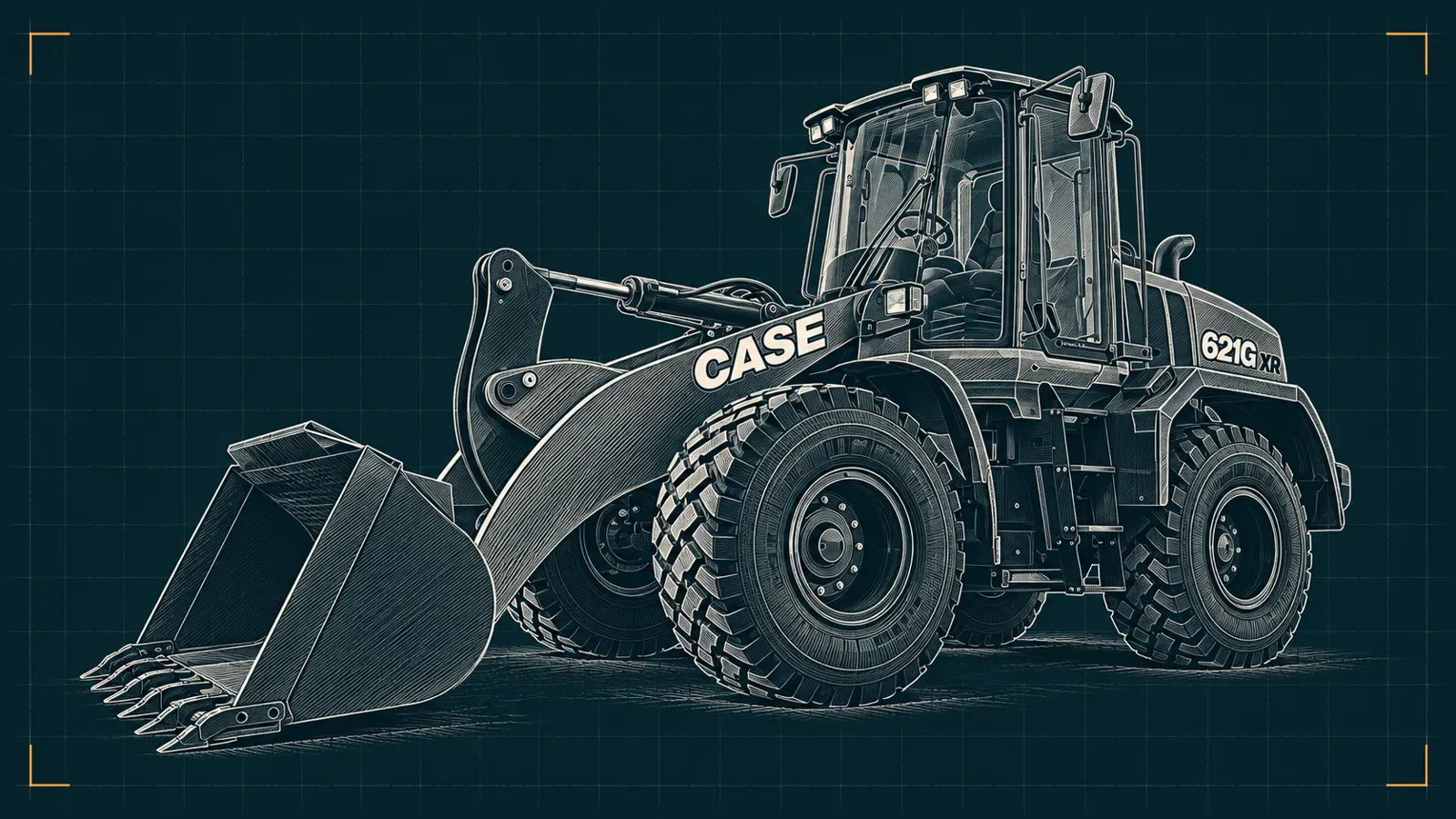
CASE 621G Wheel Loader

CASE 621G Wheel Loader

G-series; July 2024 Tier 4 Final / Stage V technical specification; XR linkage reference configuration · United States / North American reference

Operating weight
28,644 lb12 993 kg
Peak net
162 hp121 kW
Hinge pin height – fully raised
13 ft 11.6 in4 258 mm
View specifications
Wheel Loaders
Current manufacturer catalogue

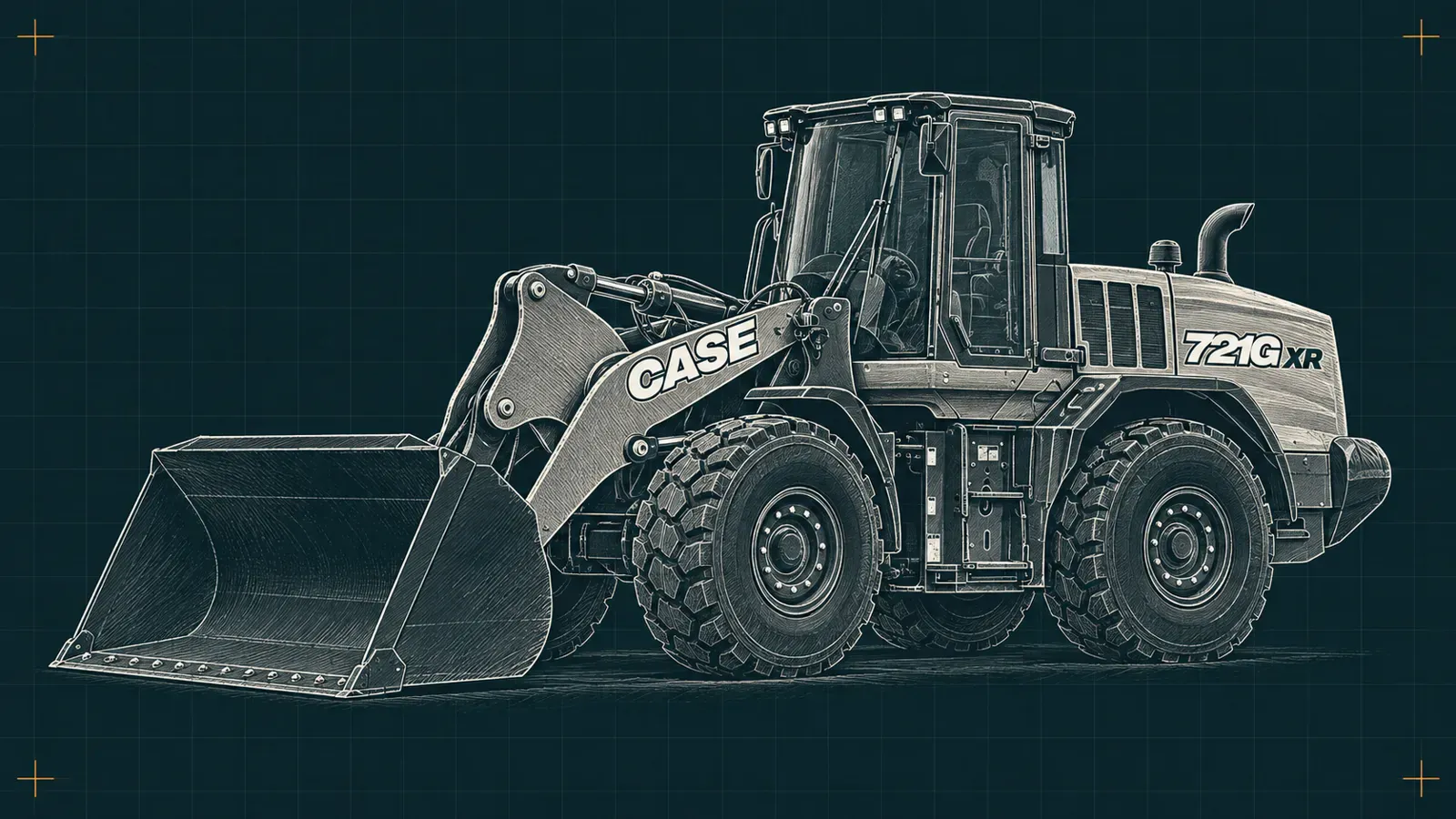
CASE 721G Wheel Loader

CASE 721G Wheel Loader

G-series; July 2024 Tier 4 Final / Stage V technical specification; XR linkage reference configuration · United States / North American reference

Operating weight
36,458 lb16 537 kg
Peak net
179 hp133 kW
Hinge pin height – fully raised
14 ft 8.2 in4 475 mm
View specifications
Wheel Loaders
Current manufacturer catalogue

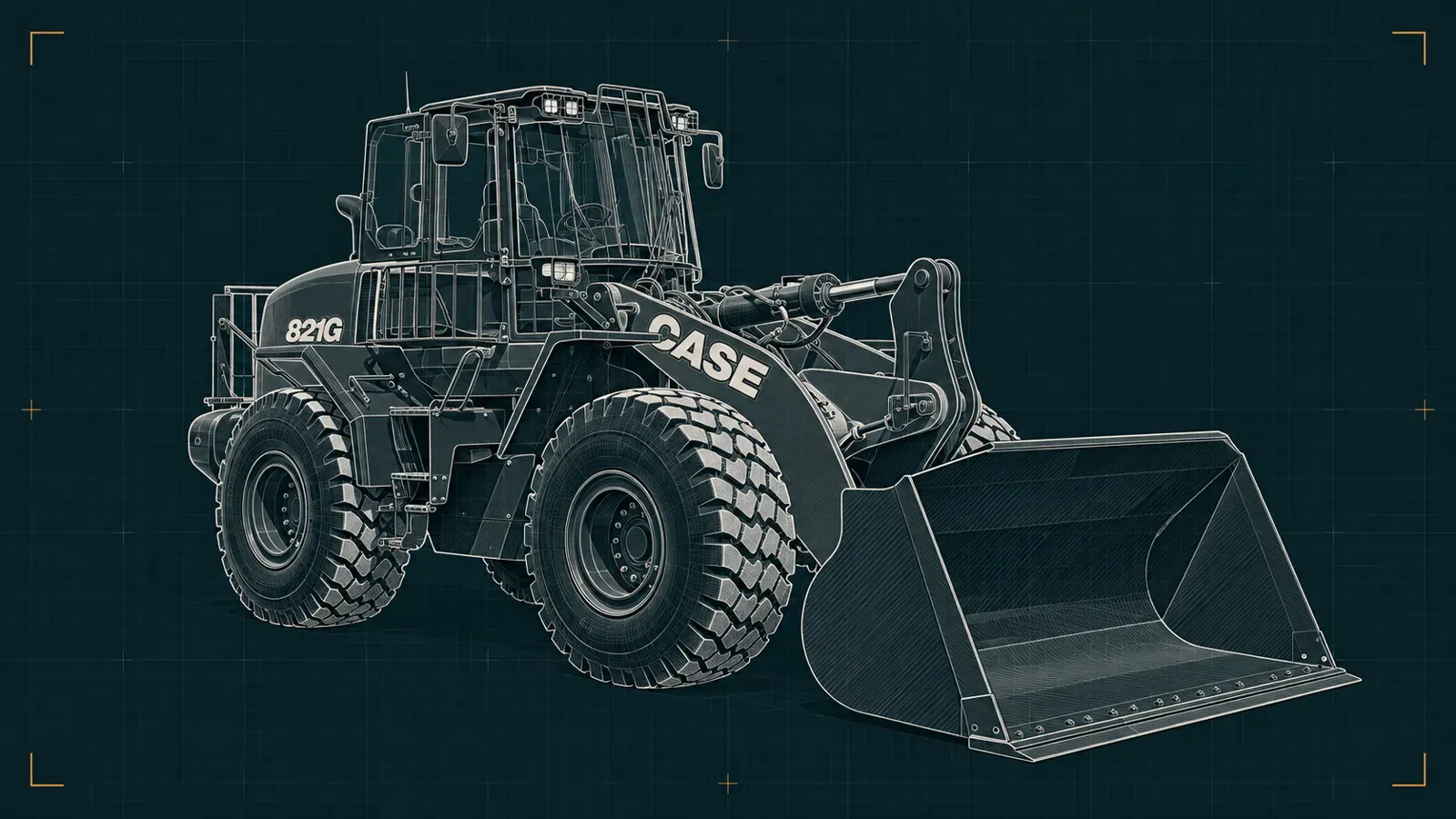
CASE 821G Wheel Loader

CASE 821G Wheel Loader

G-series; July 2024 Tier 4 Final / Stage V technical specification · United States / North American reference

Operating weight
42,714 lb19 375 kg
Peak net
213 hp159 kW
Hinge pin height – fully raised
13 ft 6.1 in4 116 mm
View specifications

Choosing wheel loaders for the job

Bucket size must suit material density, tipping load and truck height. Buyers should consider breakout force, dump clearance, coupler system, tire cost and whether the machine will spend more time loading, carrying or handling forks.

Machine types and configurations

  • Compact
  • Small
  • Mid-size
  • Large production
  • High-lift and waste-handler configurations

Specifications that matter

SpecificationWhy it matters
Operating weightDefines machine class, transport exposure and stability context.
HorsepowerCompare the same power rating standard and the demands of the intended work.
Bucket capacityMust suit the material, work envelope, machine geometry and configuration.
Breakout forceCompare the serial-specific configuration and intended work, not the label alone.
Tipping loadMust be read with the applicable configuration, stability limits and duty.
Dump clearanceCompare the serial-specific configuration and intended work, not the label alone.
Tire size and conditionAffects traction, flotation, wear cost, width and transport.

Before buying used

  • Check centre articulation and steering play
  • Inspect tires for matched size, cuts and remaining life
  • Load the hydraulics and inspect lift-arm, bucket and coupler pins

Ownership costs to consider

Cost drivers

  • Matched tire sets
  • Centre articulation and steering
  • Axles and driveline
  • Lift-arm, bucket and coupler joints
Plan your transport

Transport checklist

  • Measure width at tires or guards
  • Confirm bucket-on or bucket-off dimensions
  • Account for ballast and counterweight
  • Describe loading ramps and site surfaces