Earthwork compactors prepare soil and base layers. HeavyEQ groups these by their compaction mechanism rather than assigning all machines called rollers to one category.
Start with the material and compaction requirements supplied for the project. Smooth-drum, tamping and trench machines serve different work patterns. Overall weight or drum width alone cannot establish that a machine will achieve the required result.
Questions that shape the equipment choice
Job requirement
What to compare
Evidence to obtain
Material
Soil description and project specification
Confirm the suitable compaction method
Work area
Open area or confined trench
Check width, access and permitted operation
Verification
Condition and project testing requirements
Plan the required inspection and acceptance testing
Choose the machine architecture
Soil Compactors: subcategories
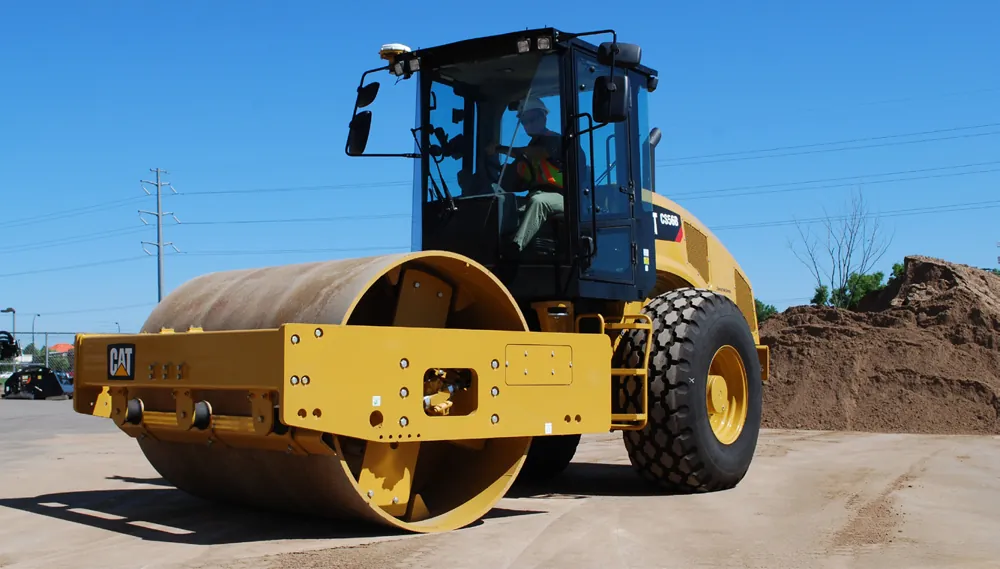
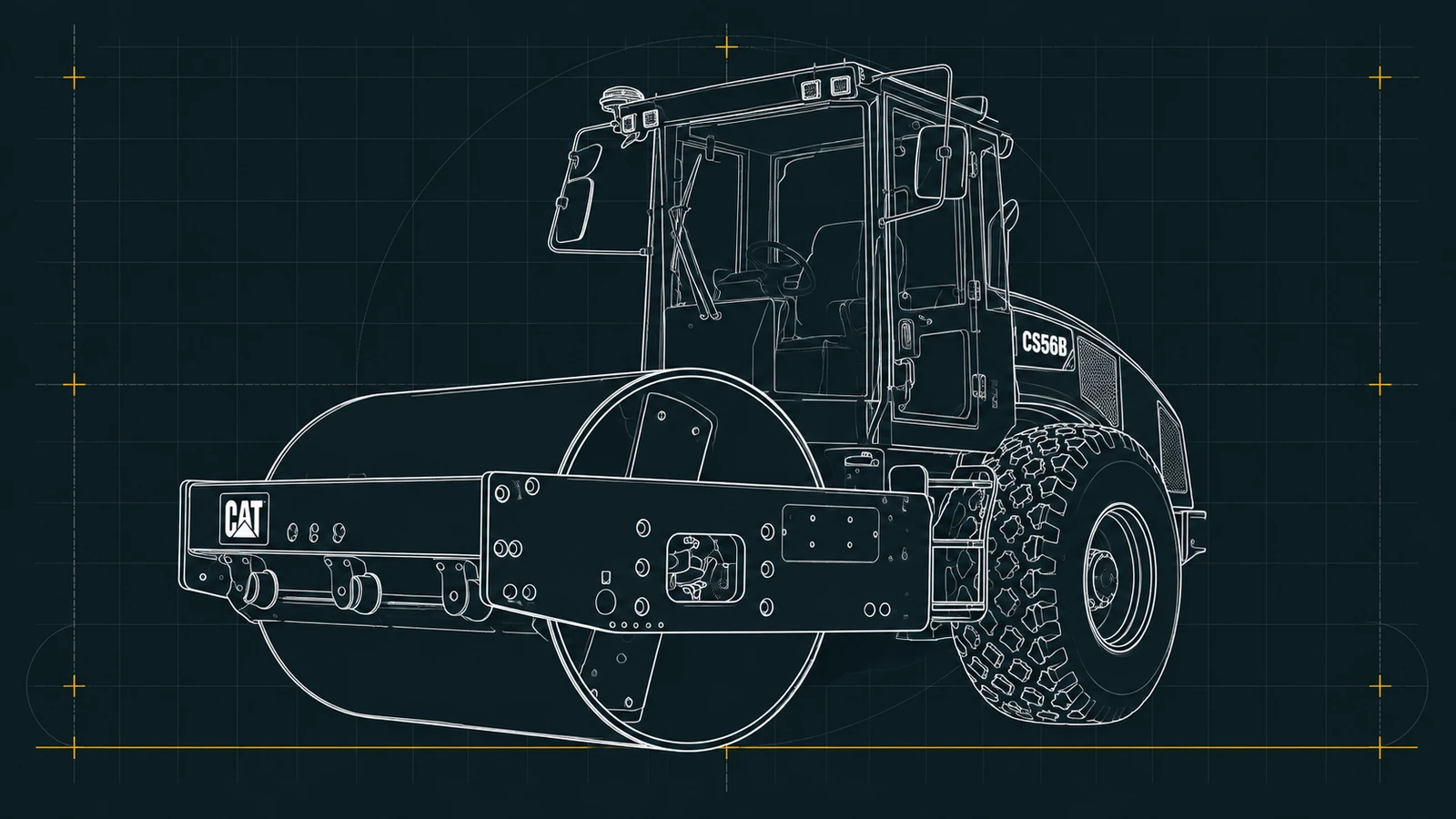
Single-drum compactors
Earthwork drum machine; smooth and padfoot surfaces remain configurations, including removable shell kits.
Configurations to check: Smooth or padfoot surface · Shell kit · Vibration system · Remote control
Where this category begins and ends
Belongs here
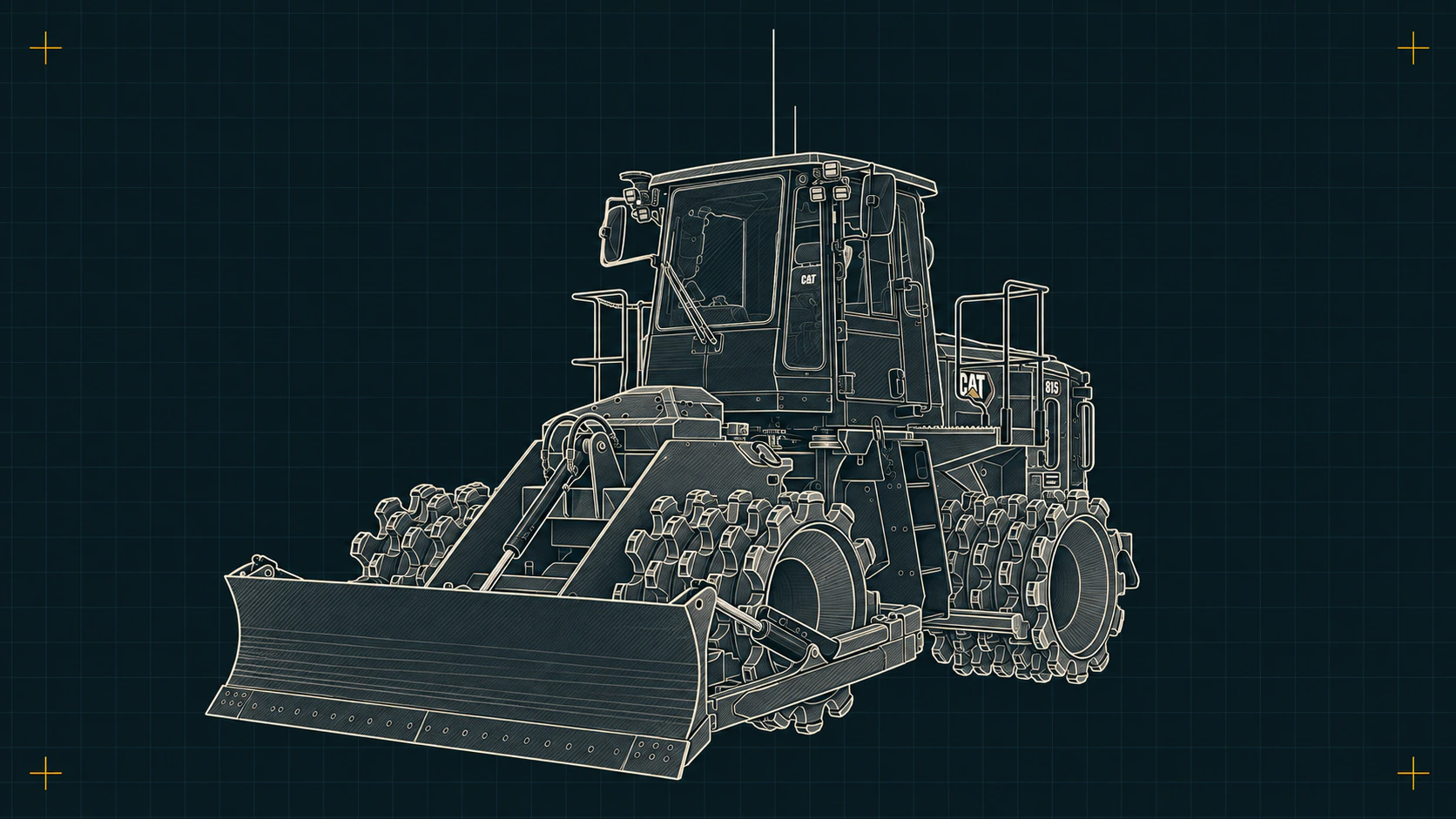
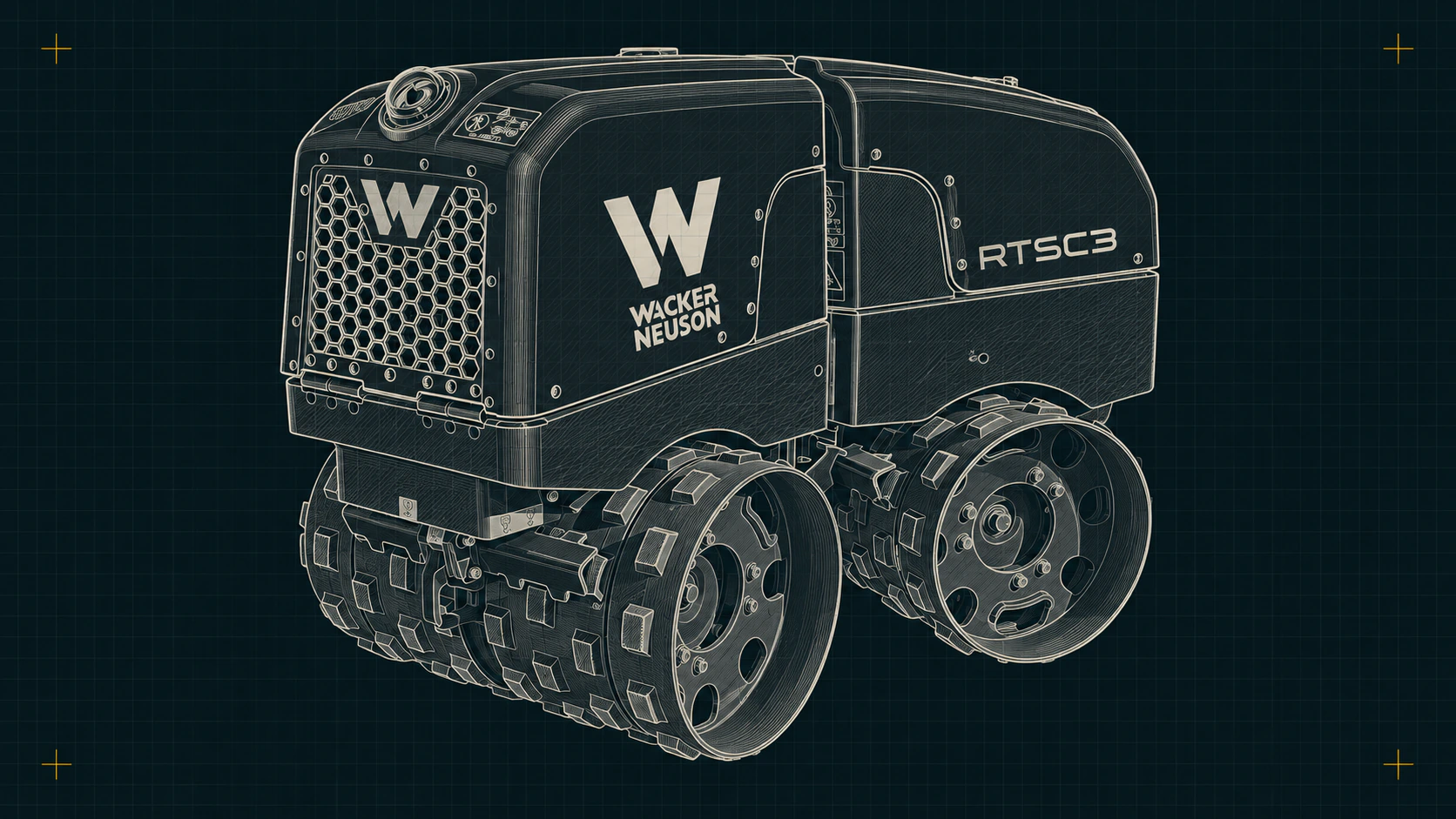
Single-drum earthwork machines, tamping-wheel soil compactors and purpose-built trench rollers.
Belongs elsewhere
Tandem and pneumatic paving rollers, landfill compactors and handheld or attachment-only compaction equipment.
Prepare a useful comparison
Dimensions and configuration to check
Overall travel length, width and height
Compaction width
Drum or wheel diameter
Ground clearance
Blade width when fitted
Compare the same configuration, including attachments, folded parts, counterweights and stabilizers. Transport dimensions can differ substantially from the working setup.
Before comparing used machines
Check drum mounts, vibration system, scraper bars and pad wear. A padfoot shell changes width and weight without creating another model family.
Manufacturer references
Product-family references for this guide; individual model measurements require their own documentation.


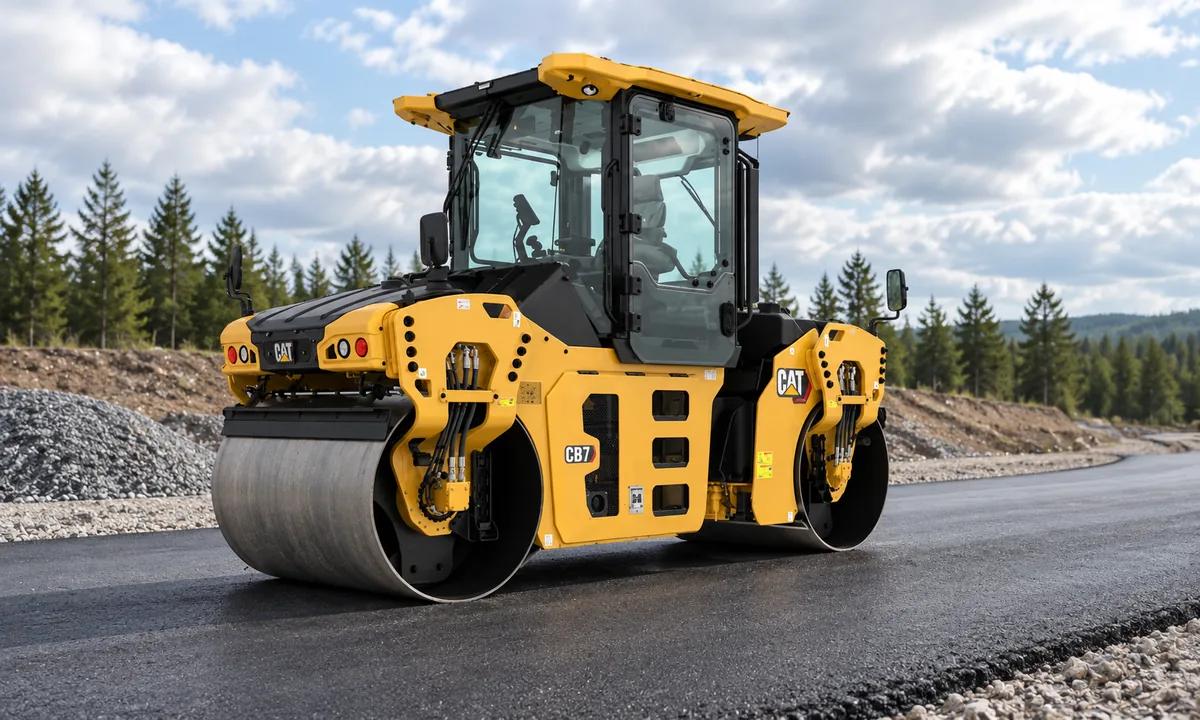 Compaction
 Compaction