Describe the working face, waste stream and daily travel pattern. Inspect wheels, cleaner systems, guarding and cooling arrangements as part of the complete machine. Compare machines prepared for the same application rather than relying on engine output alone.
Questions that shape the equipment choice
Job requirement
What to compare
Evidence to obtain
Working material
Wheel and tip arrangement
Identify the correct application and wear package
Site layout
Blade and travel envelope
Check working-face and access requirements
Used condition
Wheels, articulation, guarding and cooling
Price worn protection and major service needs
Choose the machine architecture
Landfill Compactors: subcategories
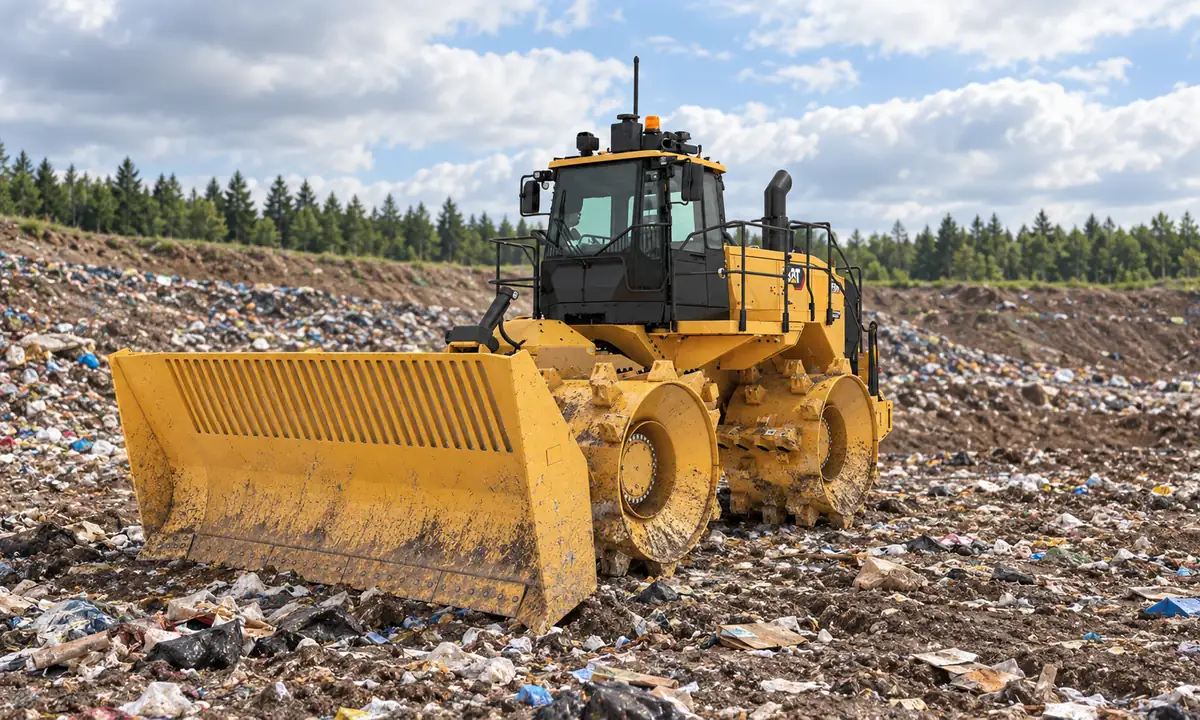
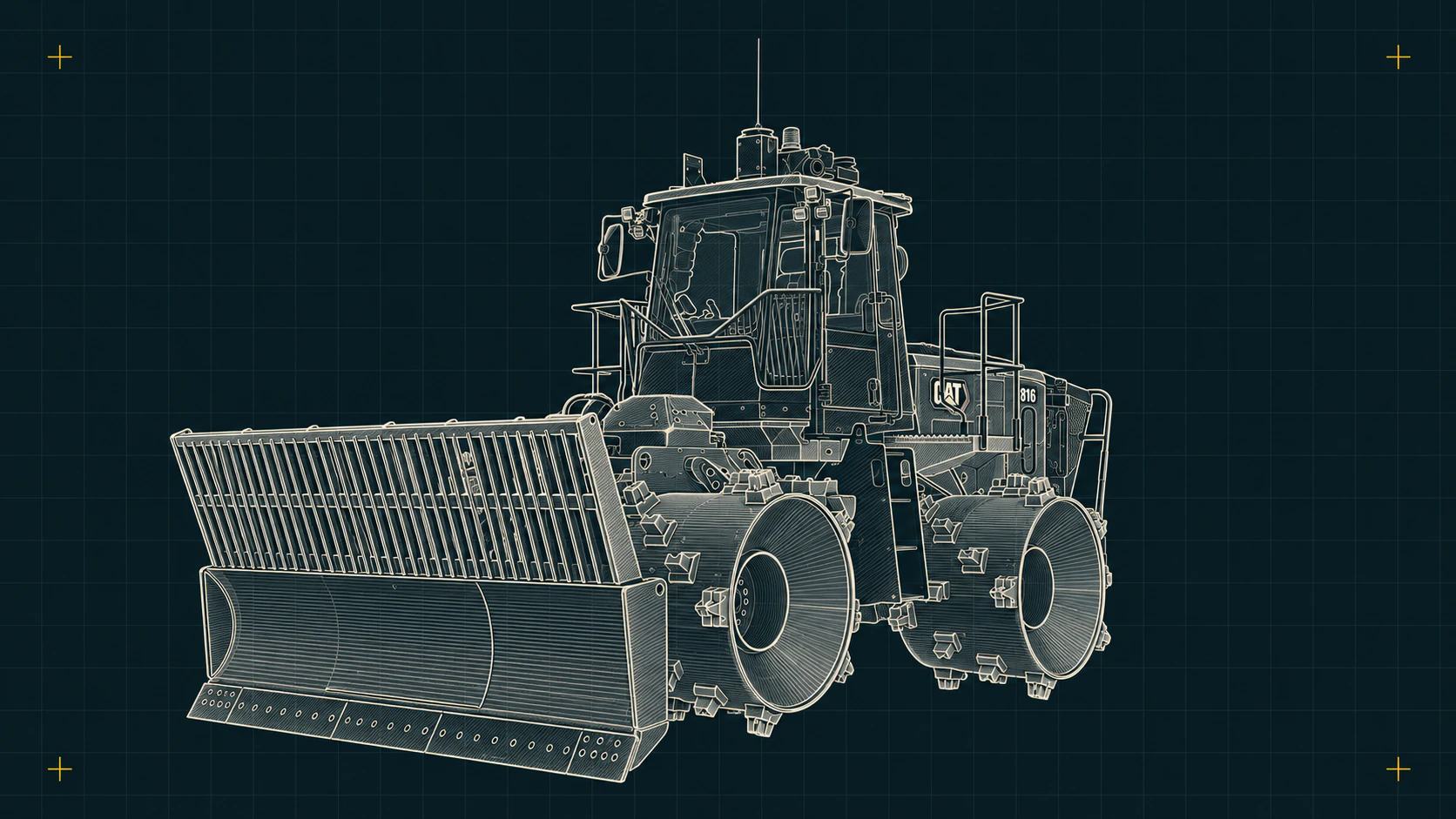
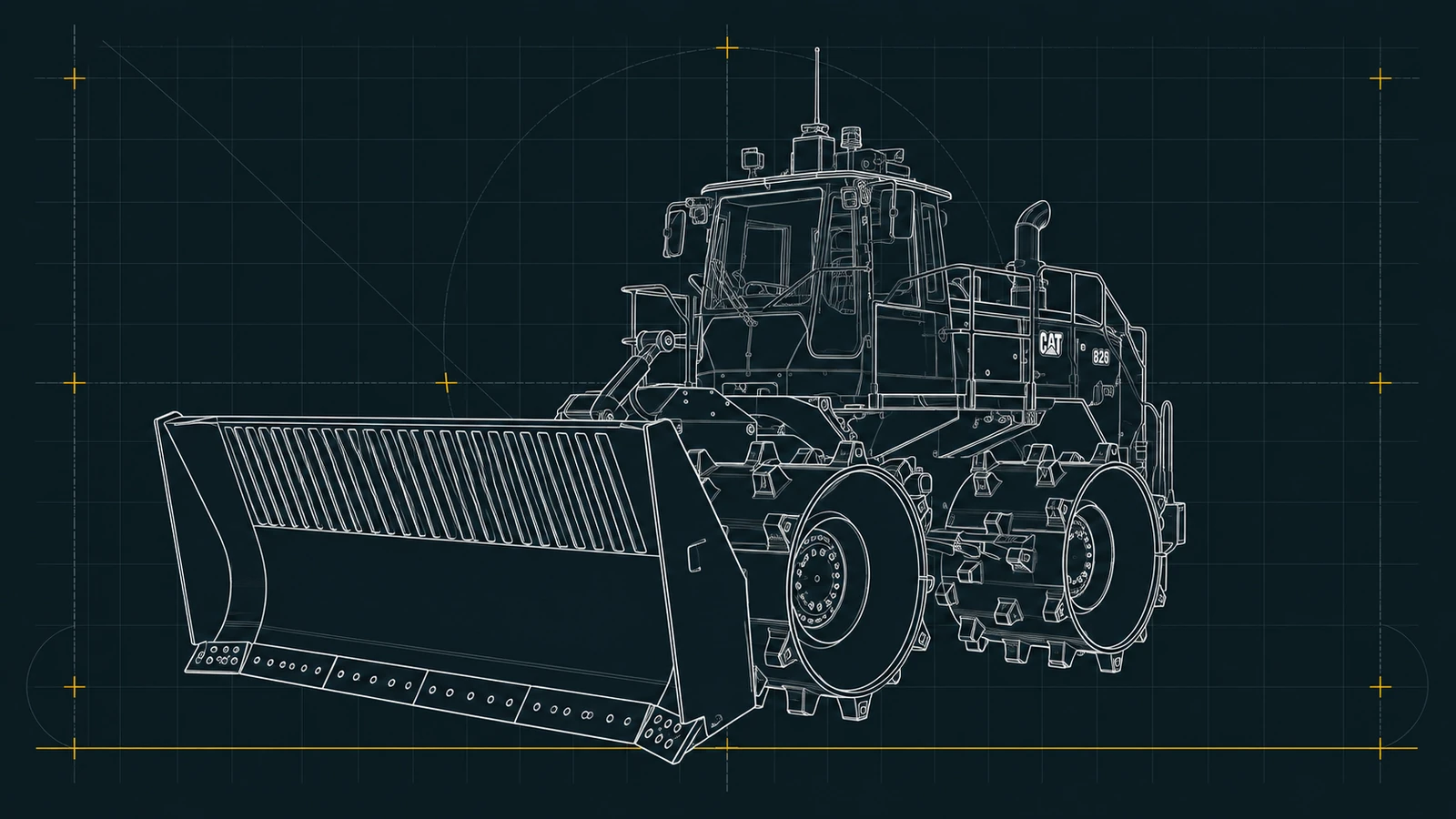
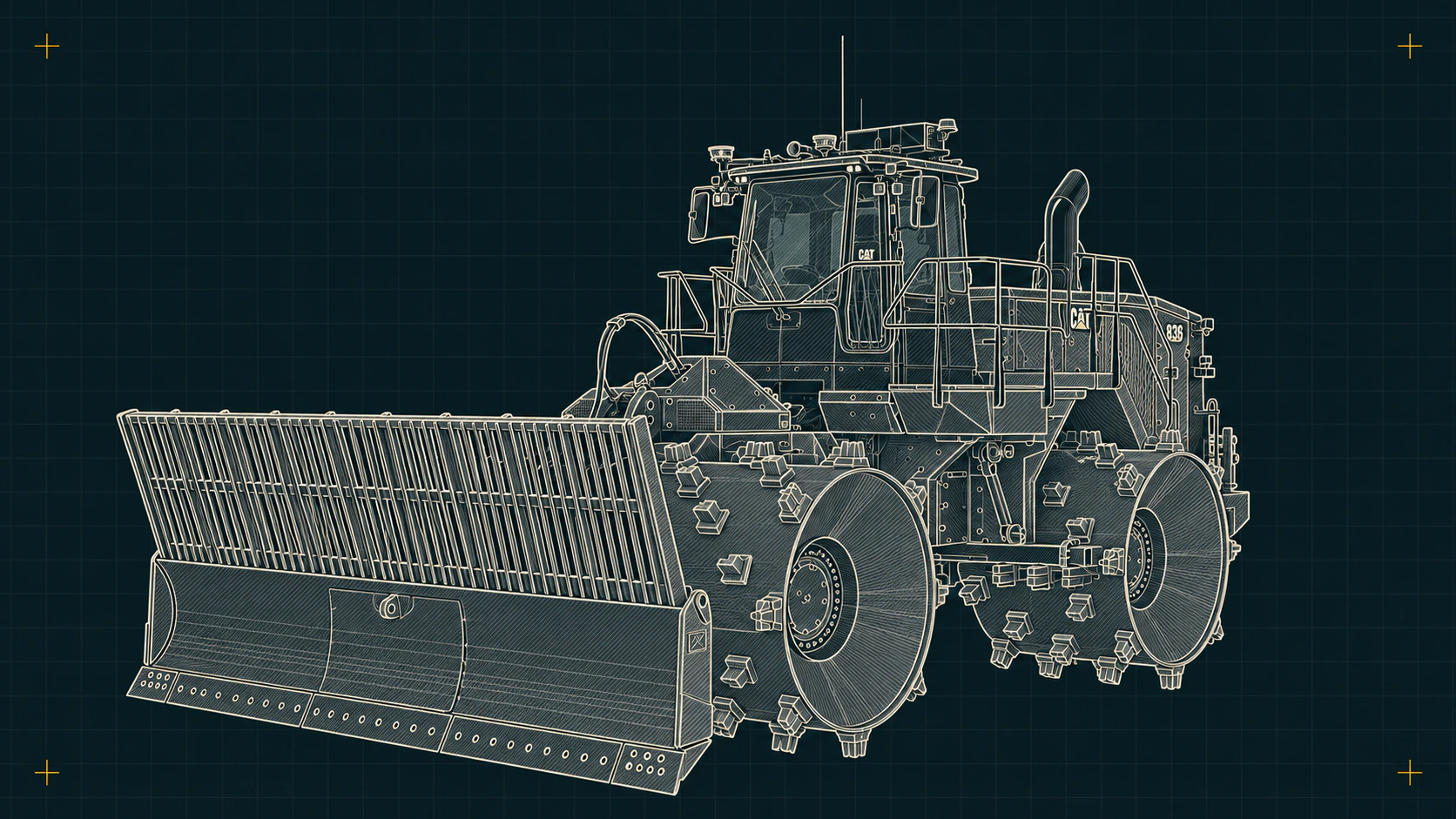
Dedicated landfill compactors
Purpose-built waste-compaction machine; capacity and wheel pattern remain attributes.
Manufacturer-designated landfill-compactor families. Wheel-tip and blade choices are recorded configurations.
Belongs elsewhere
Soil compactors, paving rollers and waste-package loaders or dozers. Working at a landfill does not change the base machine category.
Prepare a useful comparison
Dimensions and configuration to check
Length with blade
Width over wheels and blade separately
Cab height
Wheel diameter
Ground clearance
Compare the same configuration, including attachments, folded parts, counterweights and stabilizers. Transport dimensions can differ substantially from the working setup.
Before comparing used machines
Inspect wheel tips and cleaner bars, debris guarding, fire-damage history and articulation. Compare blade and wheel options against the stated transport configuration.
Manufacturer references
Product-family references for this guide; individual model measurements require their own documentation.

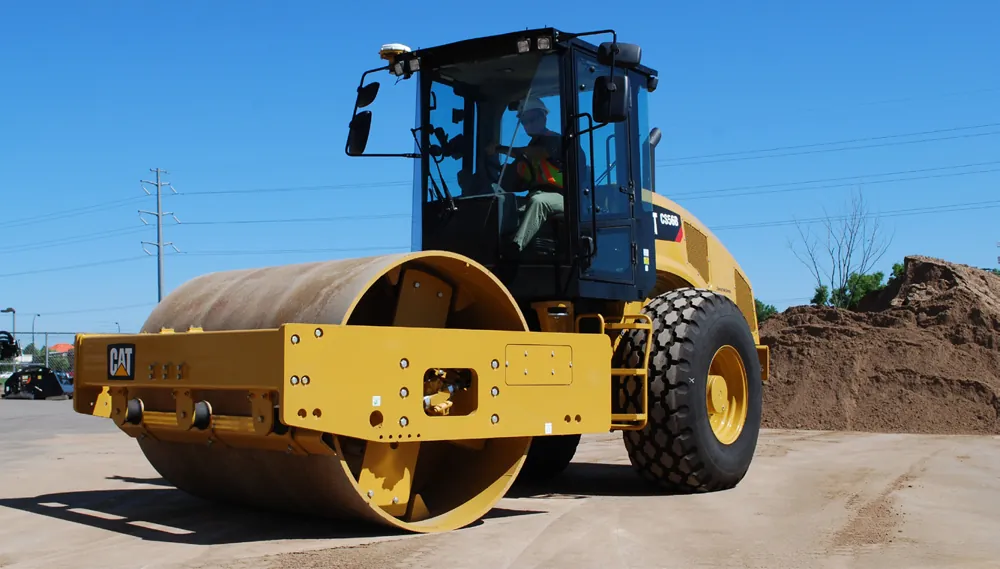 Compaction
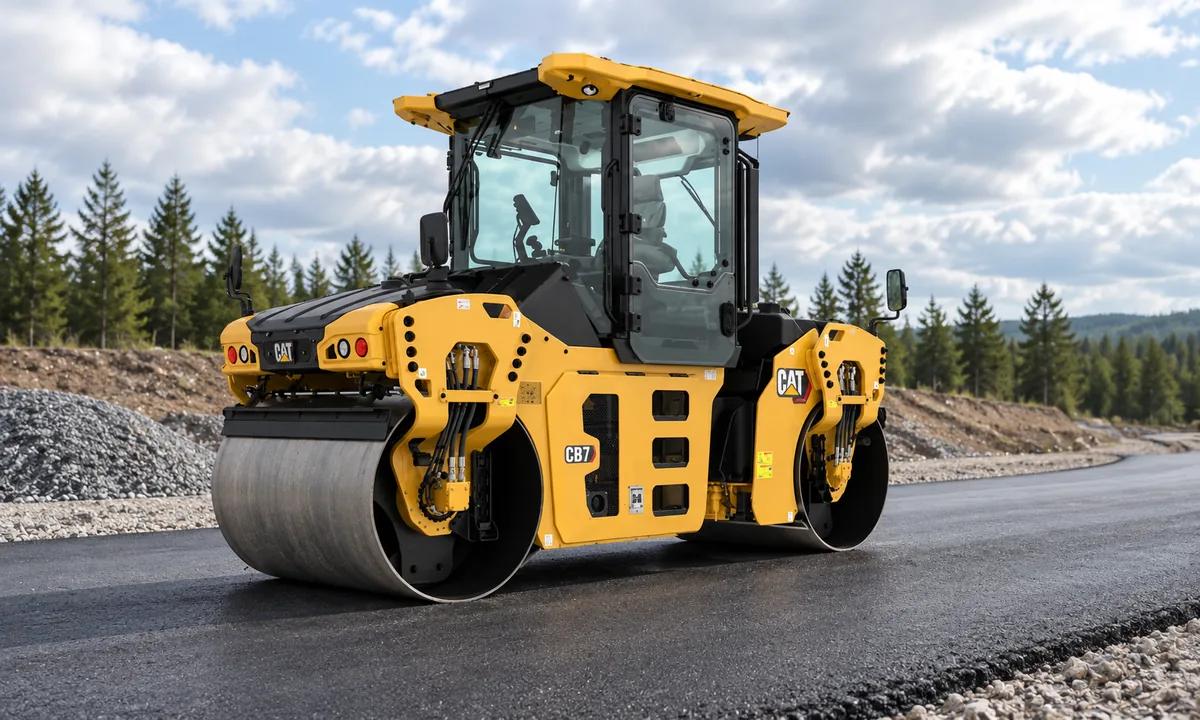 Compaction
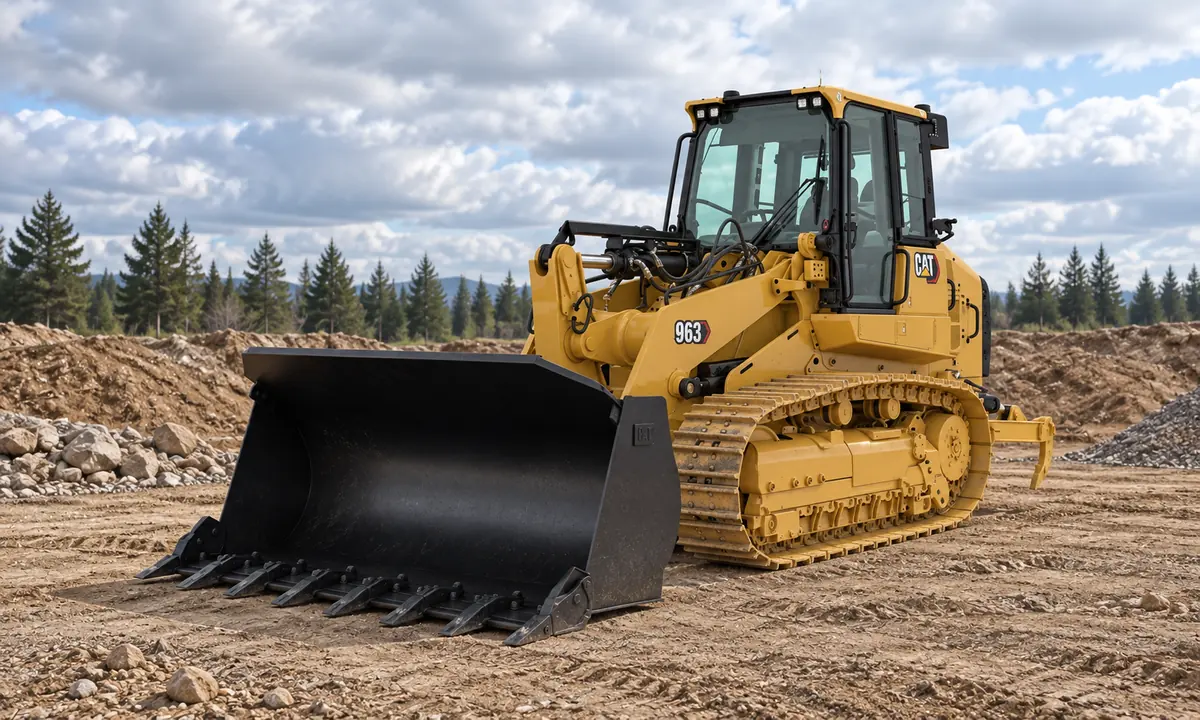 Earthmoving