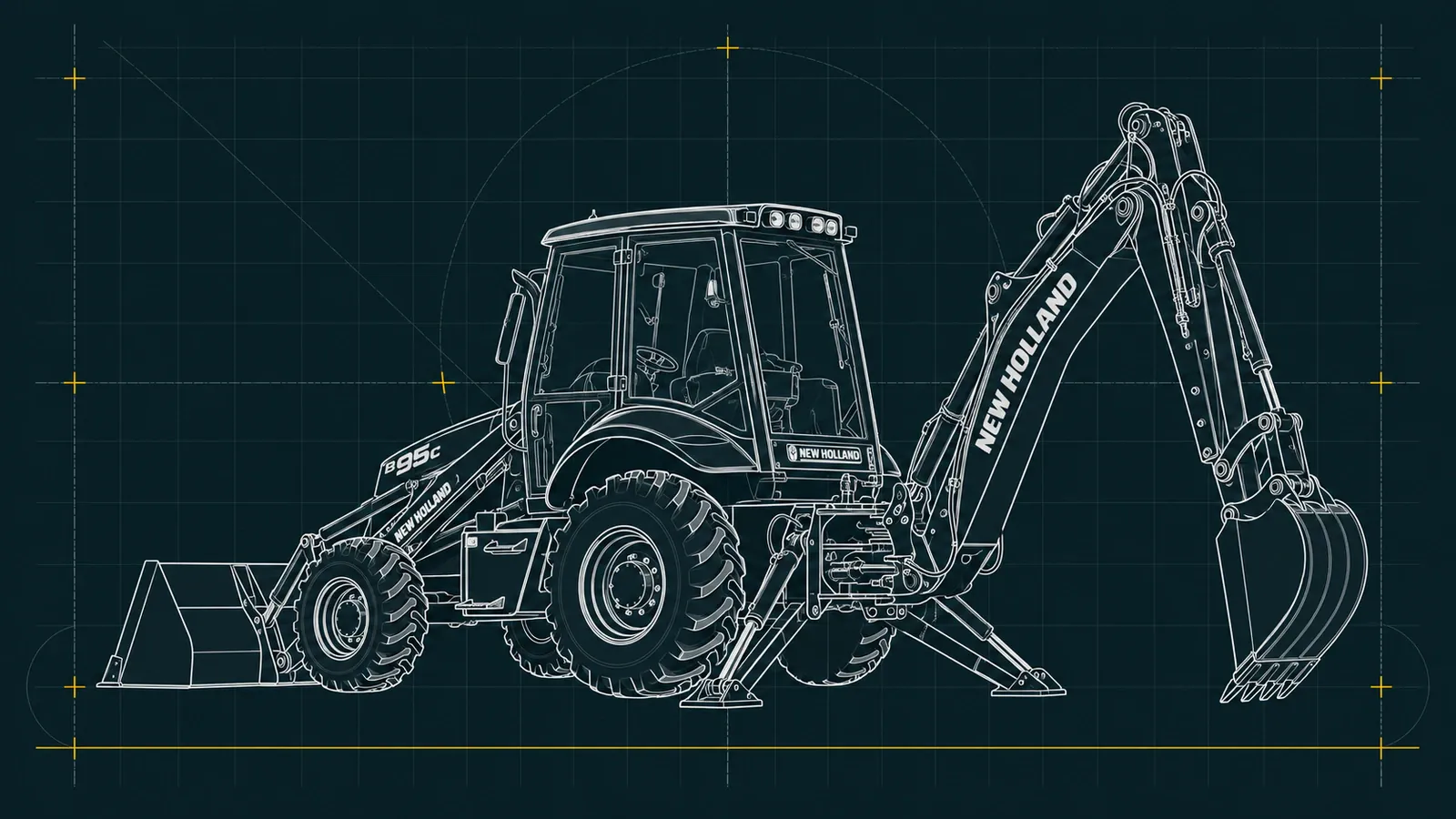
Compare digging depth, extendable dipper, loader performance, four-wheel drive, control pattern and attachment plumbing. A backhoe can reduce mobilizations, while a dedicated excavator and loader may outperform it on specialized work.
Machine types and configurations
Standard digging depth
Extendable dipper
Side-shift
Four-wheel-steer
Tool-carrier configurations
Specifications that matter
Specification
Why it matters
Digging depth
Shows whether the configured machine fits the required work envelope.
Loader bucket capacity
Must suit the material, work envelope, machine geometry and configuration.
Operating weight
Defines machine class, transport exposure and stability context.
Horsepower
Compare the same power rating standard and the demands of the intended work.
Extendable dipper
Compare the serial-specific configuration and intended work, not the label alone.
Four-wheel drive
Compare the serial-specific configuration and intended work, not the label alone.
Auxiliary hydraulics
Determines powered-attachment capability and circuit requirements.
Before buying used
Check kingpost, swing tower and stabilizer wear
Inspect transmission, axles and brakes during road travel
Test both loader and backhoe hydraulic circuits under load
Ownership costs to consider
Cost drivers
Kingpost and swing tower
Transmission, axles and brakes
Stabilizers and extendable dipper
Loader and backhoe pins and cylinders
Plan your transport
Transport checklist
Stow loader and backhoe for travel
Retract extendable dipper
List buckets, forks and hammer
Do not assume roadability replaces transport compliance

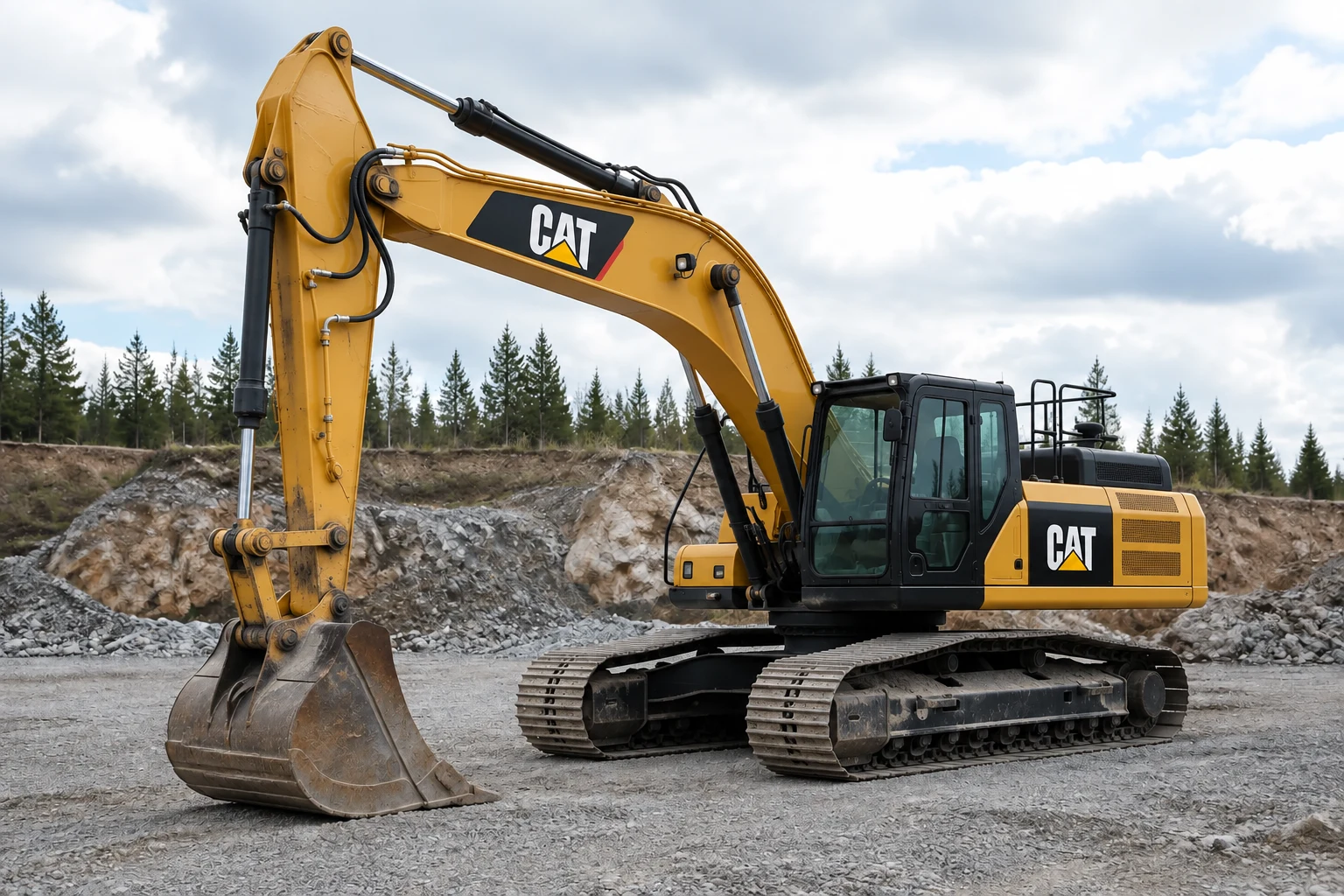 Earthmoving
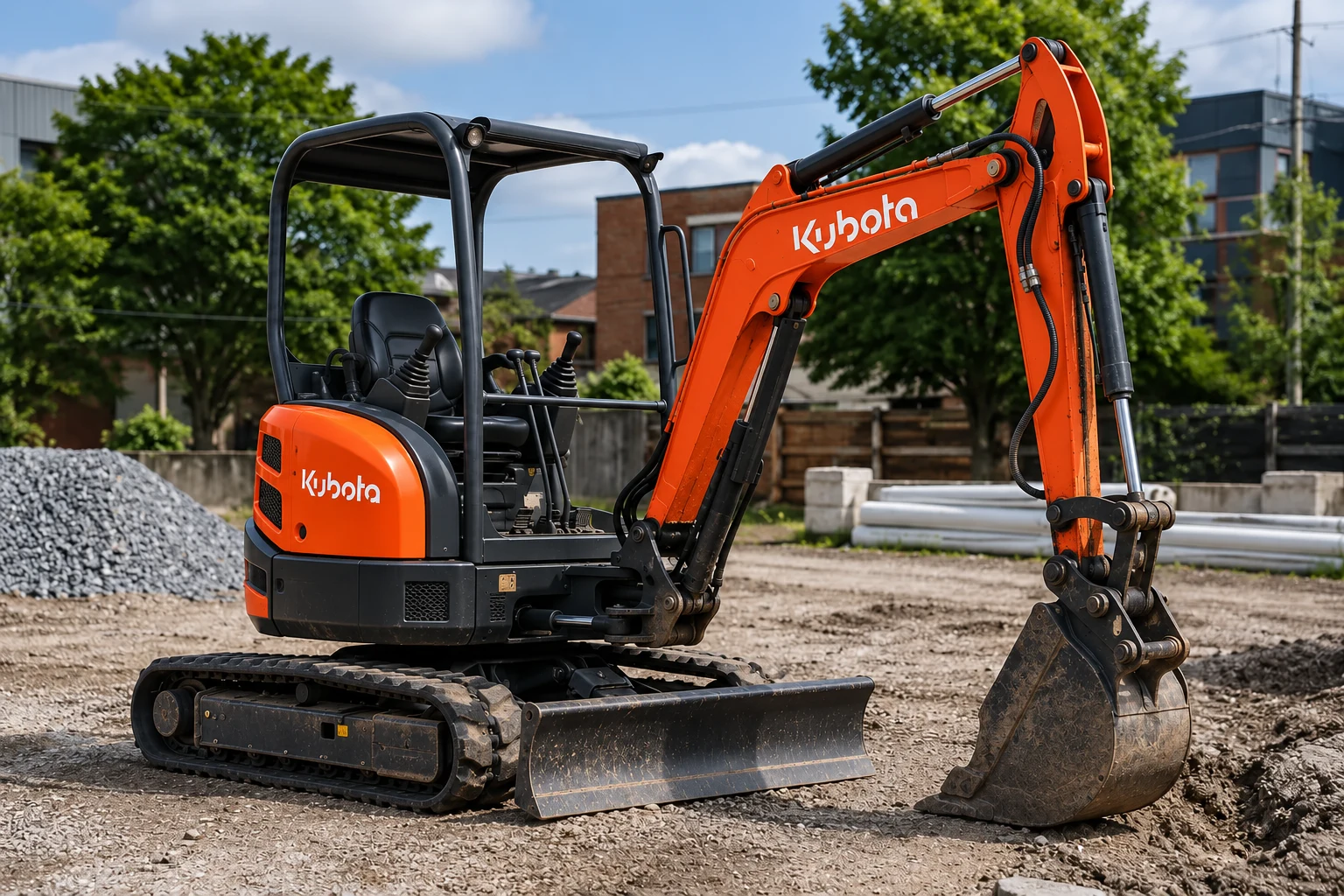 Earthmoving
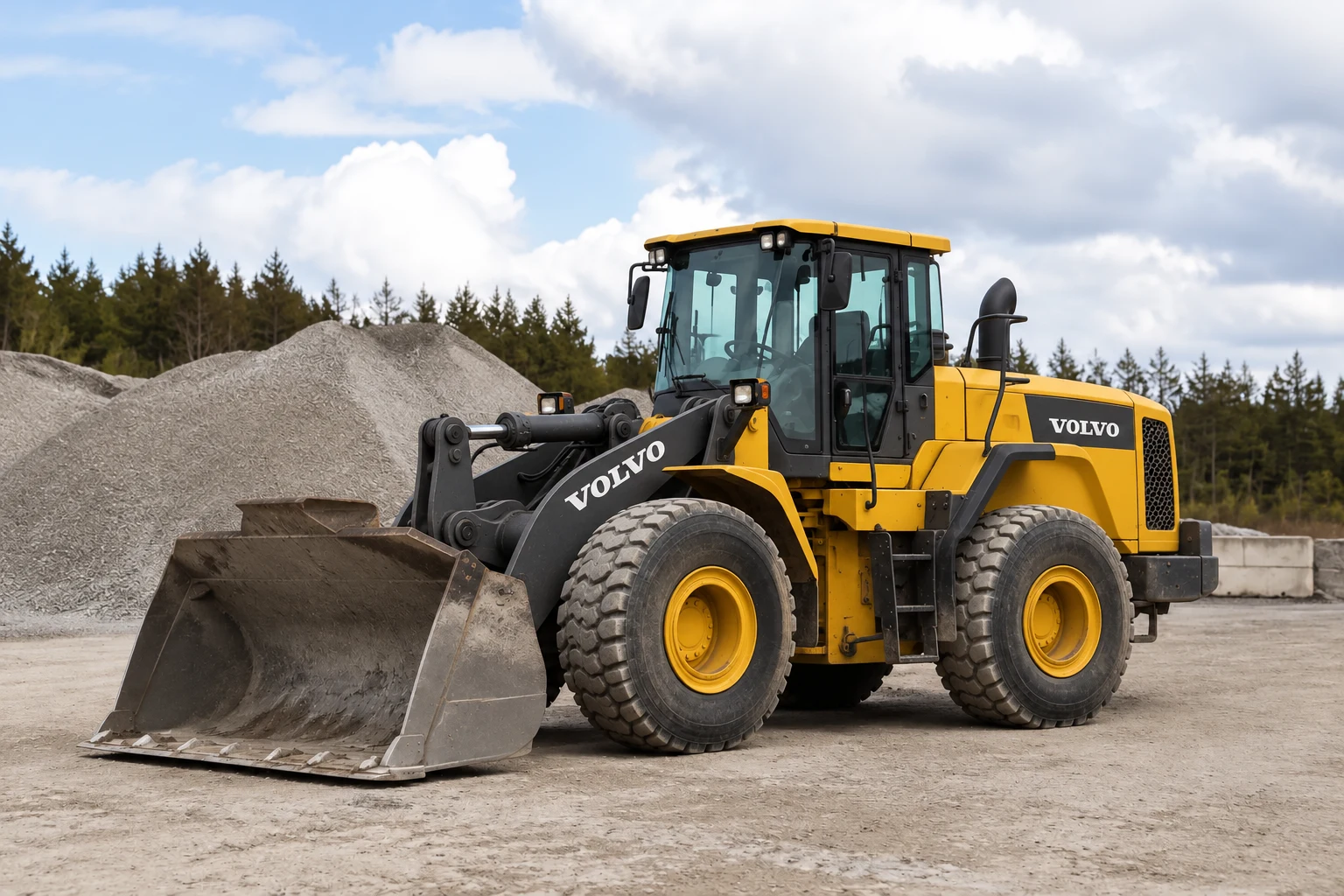 Earthmoving
 Earthmoving