Start with the required service and duty cycle: power, air, pumping or lighting. Each needs its own performance measures and installation checks. A compact transport package may require much more room for deployed supports, ventilation, hoses or service access.
Questions that shape the equipment choice
Job requirement
What to compare
Evidence to obtain
Required service
Power, air, water or light duty
Use the appropriate rating and application basis
Installation
Cables, hoses, supports and ventilation
Obtain the complete deployment requirements
Duty and support
Energy source, consumables and maintenance
Compare the complete operating package
Choose the machine architecture
Site-Support Equipment: subcategories
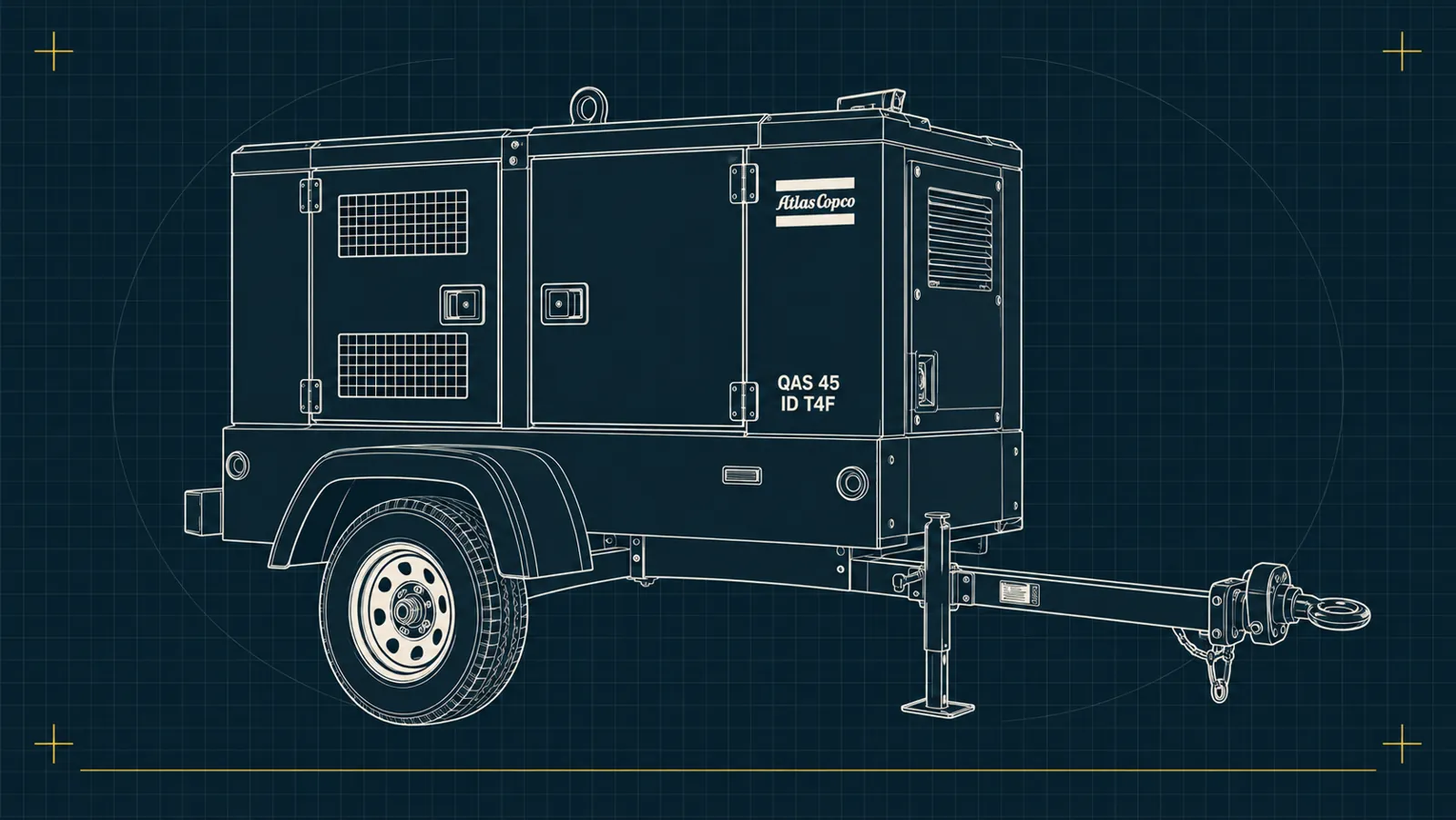
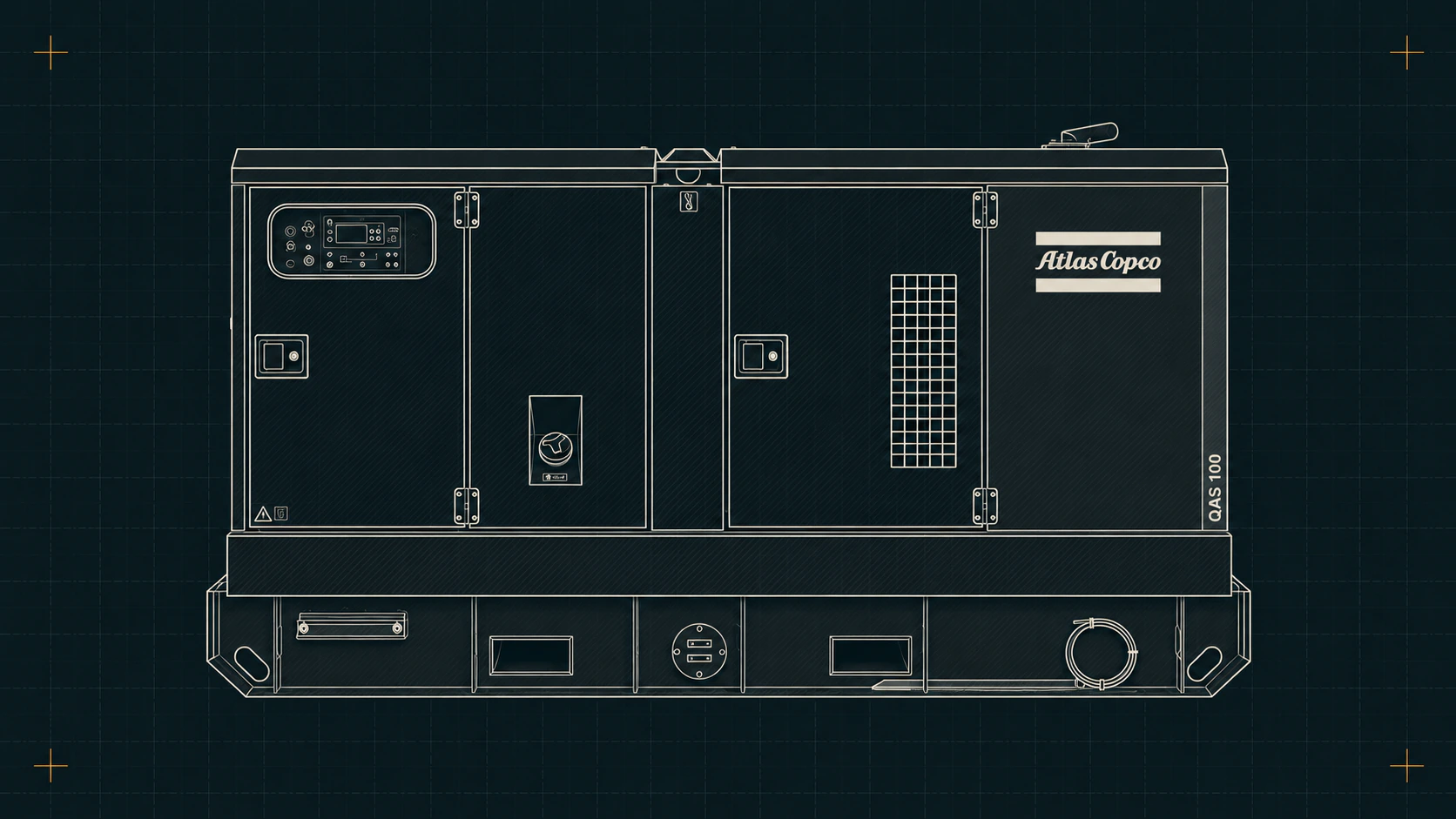
Generators
Primary purpose is producing electricity; fuel type is an attribute.
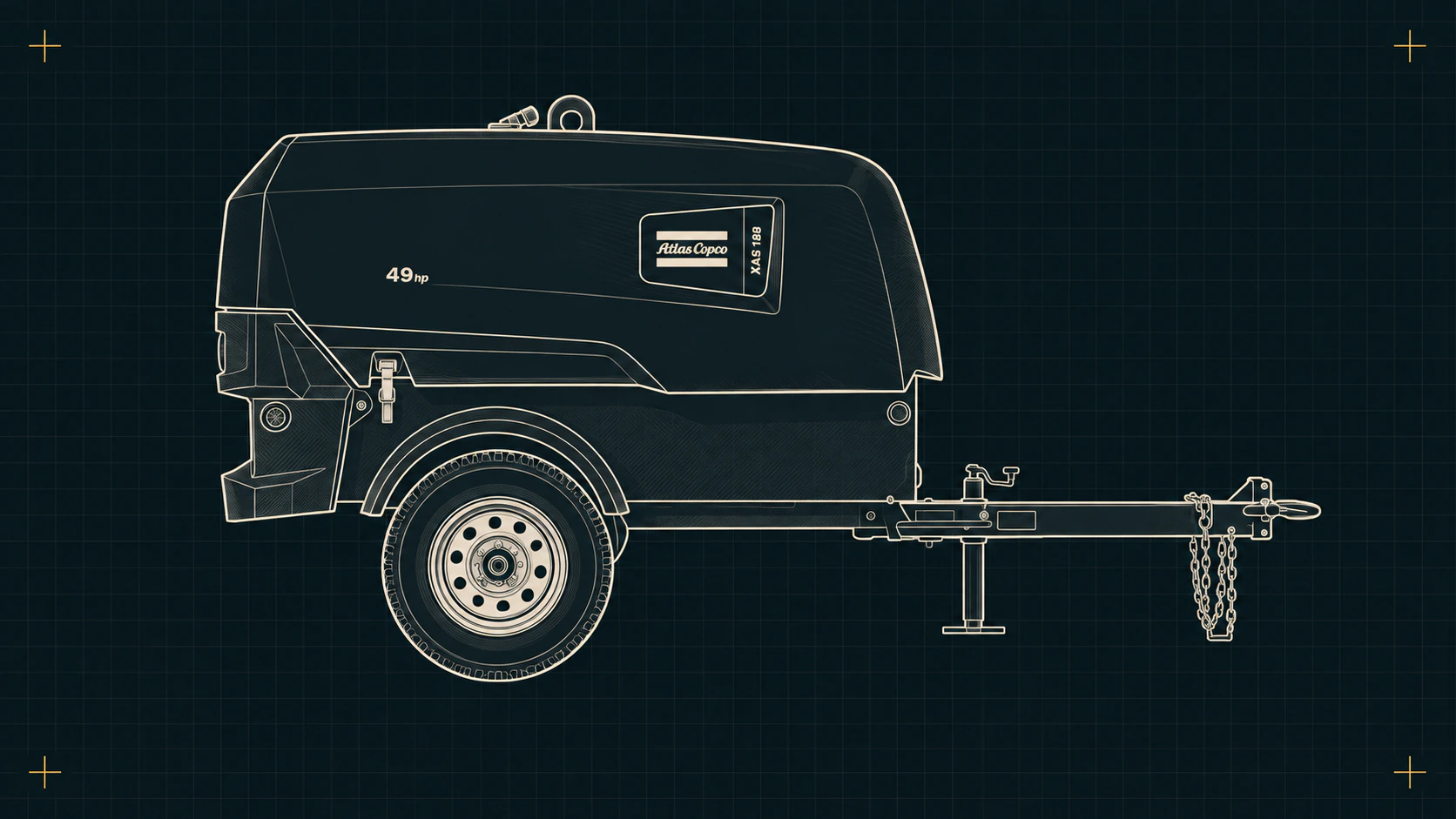
Check: Drawbar-included transport length · Enclosure dimensions · Service clearances
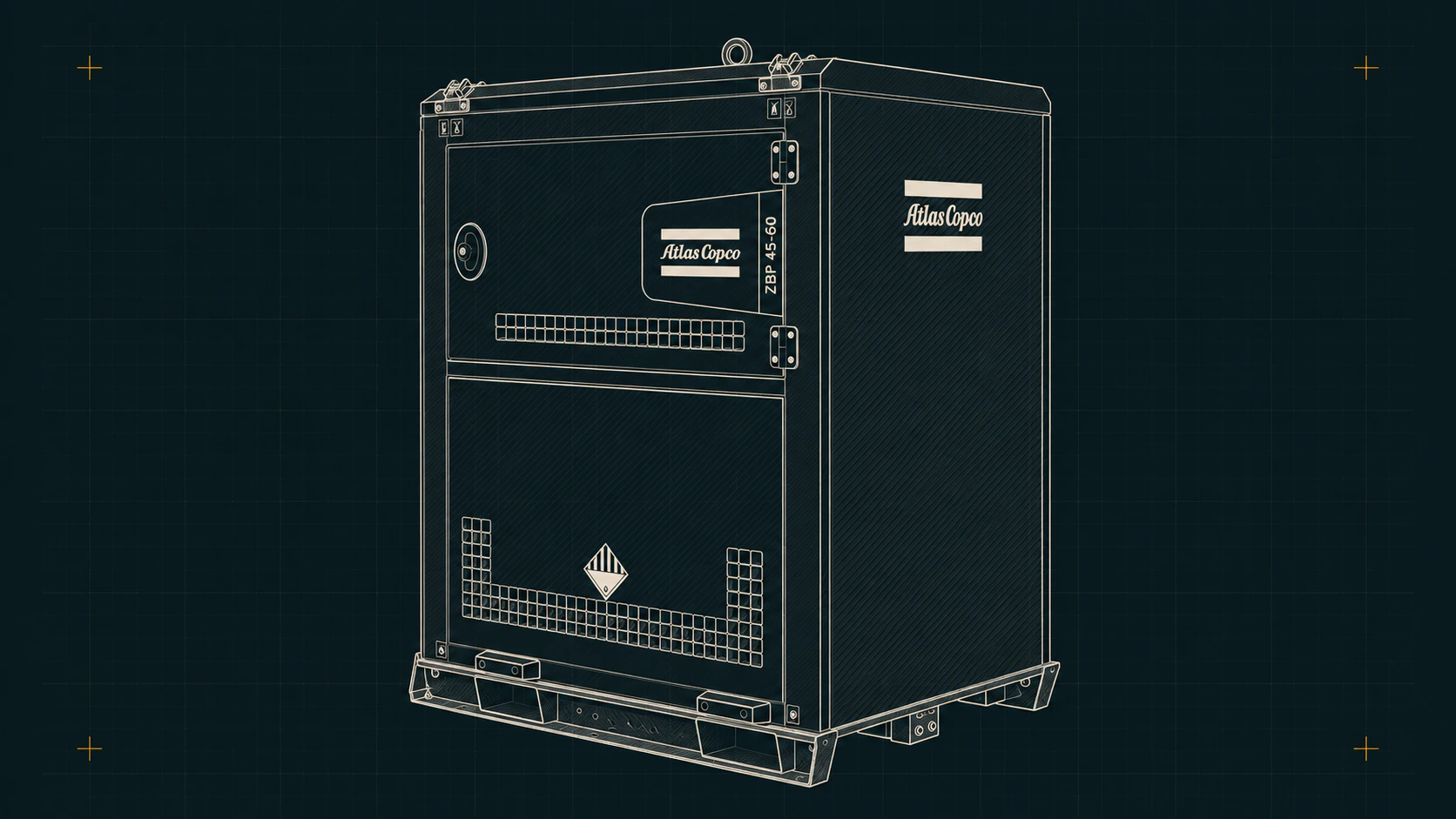
Configurations to check: Trailer, skid or portable · Energy source · Enclosure · Integrated auxiliaries
Where this category begins and ends
Belongs here
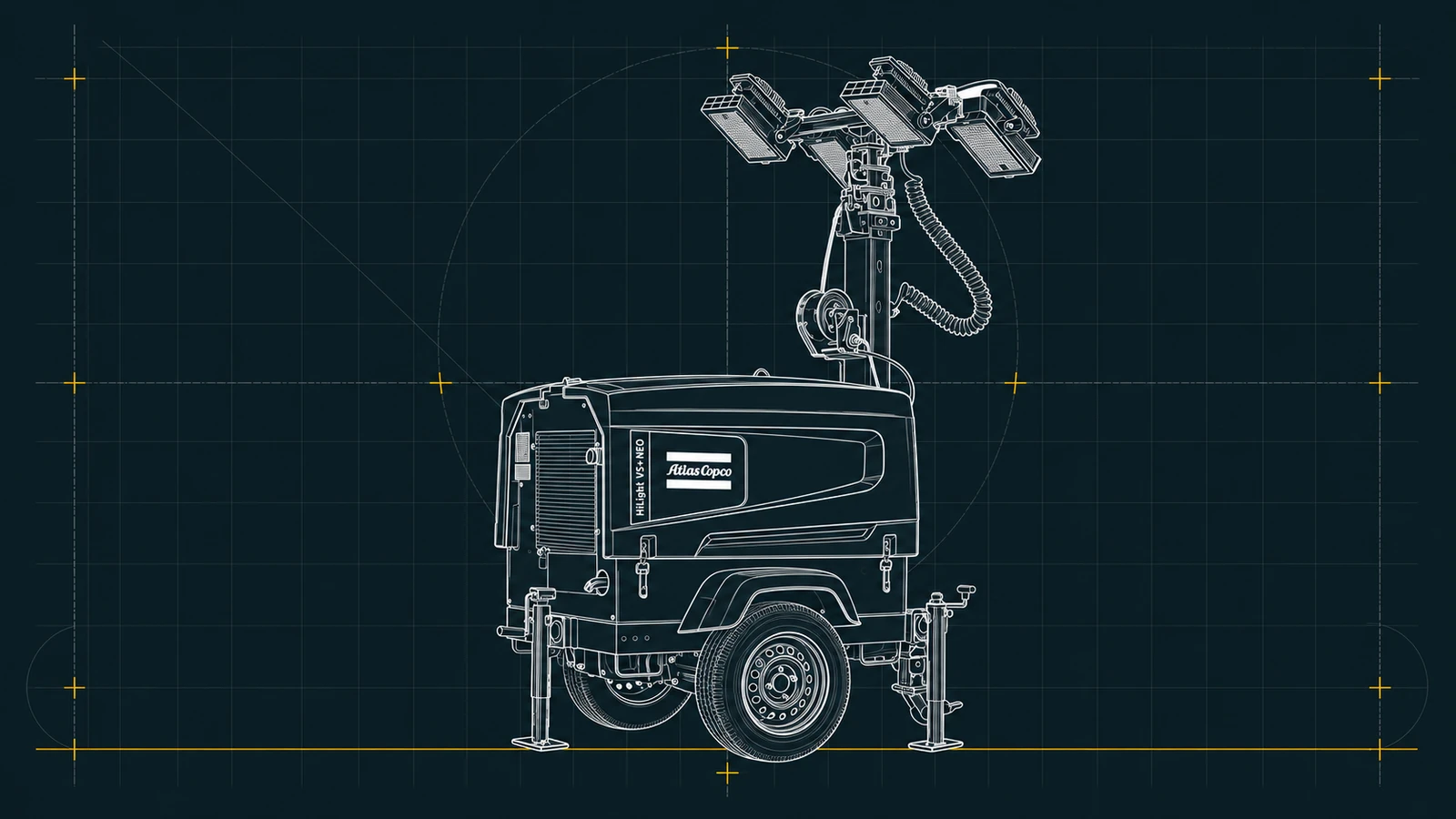
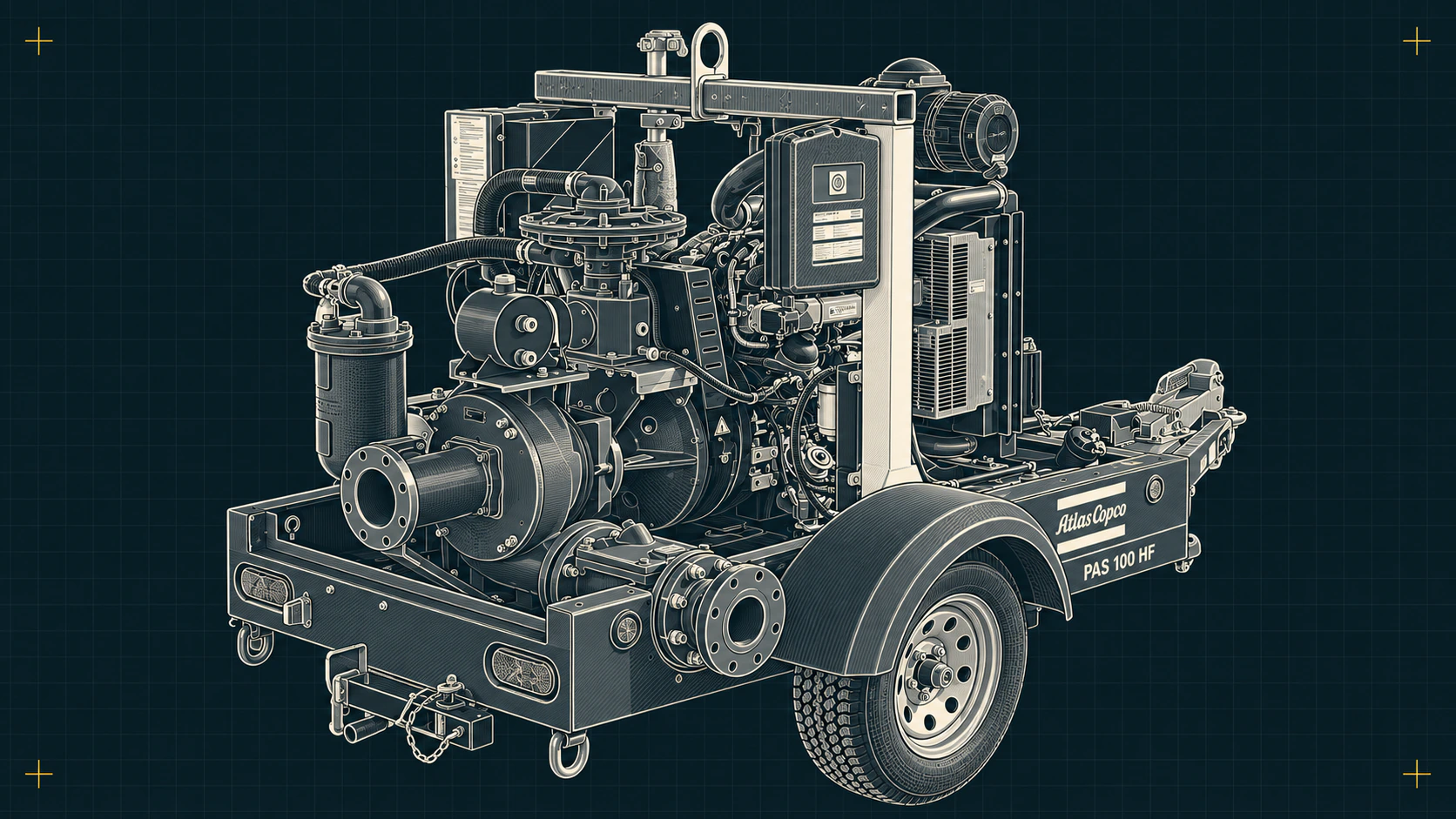
Portable generators, air compressors, light towers, dewatering pumps and mobile battery systems.
Belongs elsewhere
Personnel lifts, earthmoving machines, road vehicles, loose tanks, buildings, hand tools and equipment whose primary job belongs to another category.
Prepare a useful comparison
Dimensions and configuration to check
Transport dimensions including drawbar
Operating footprint
Mast height for light towers
Service-clearance envelope
Connection sizes appropriate to subtype
Compare the same configuration, including attachments, folded parts, counterweights and stabilizers. Transport dimensions can differ substantially from the working setup.
Before comparing used machines
Use subtype-specific checks: output and load test for power units, air-end service for compressors, mast locks for lighting and pump/impeller condition for dewatering equipment.
Manufacturer references
Product-family references for this guide; individual model measurements require their own documentation.

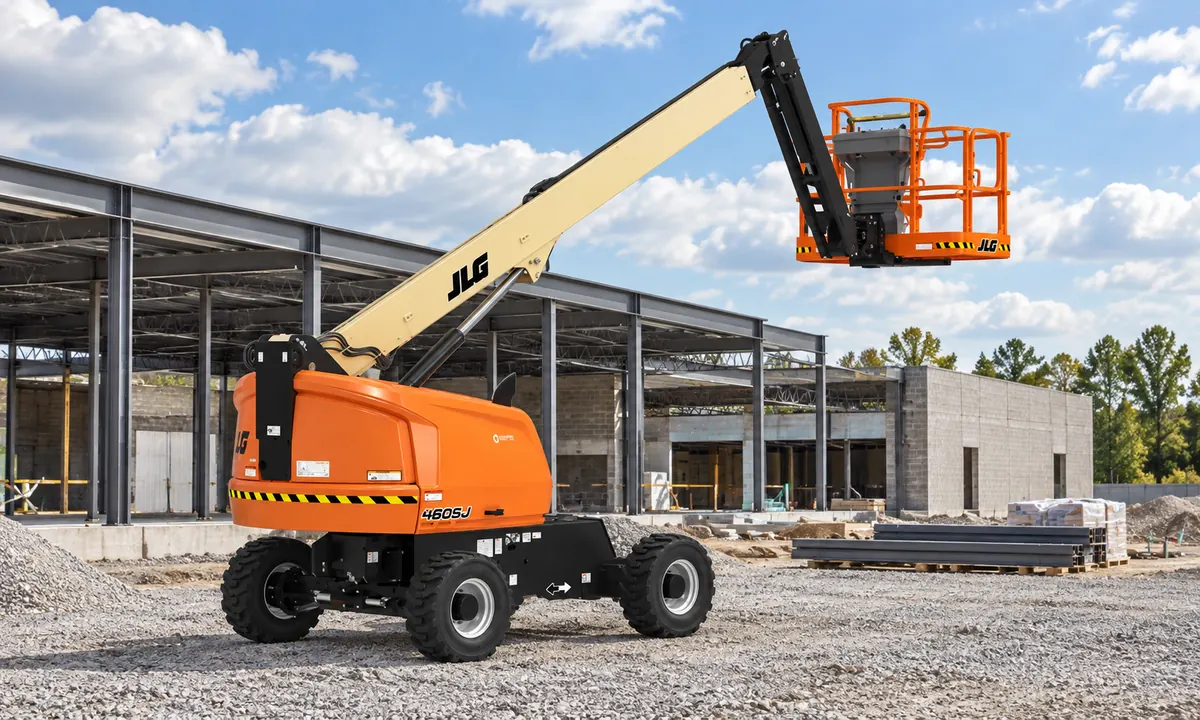 Access and Material Handling
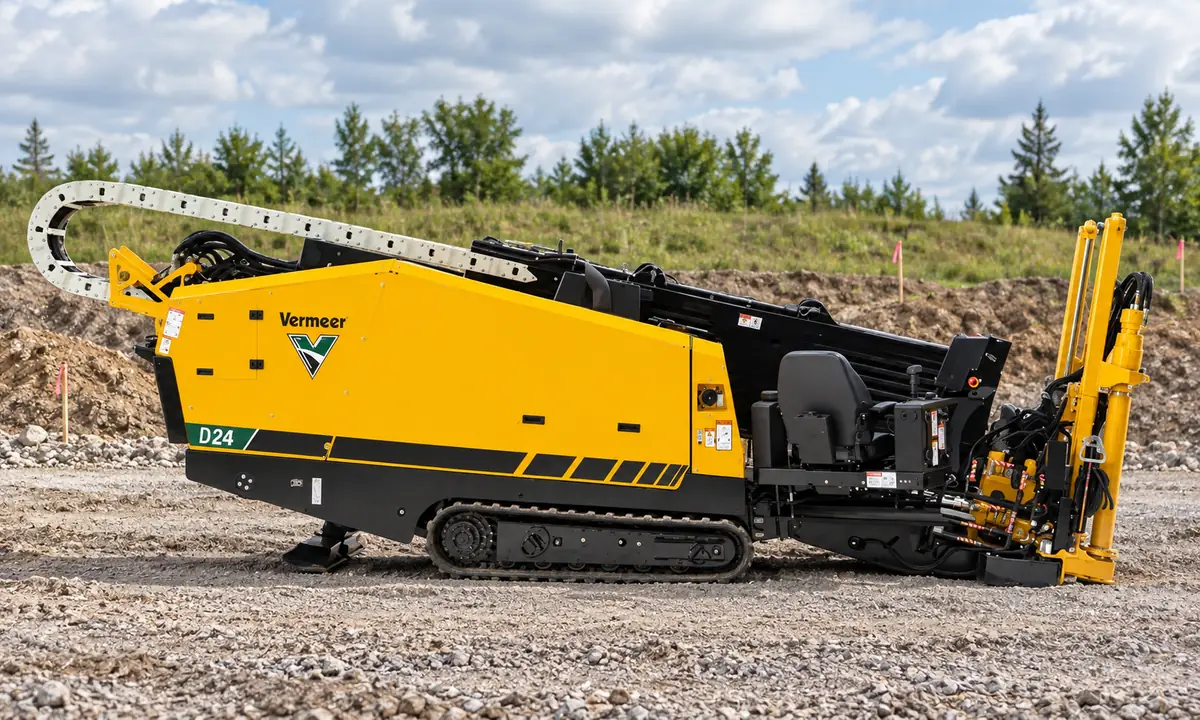 Utilities and Drilling