Select by material, push distance, slope, finish tolerance and transport constraints. Blade configuration, track width, ripper equipment and grade-control readiness can matter as much as horsepower.
Machine types and configurations
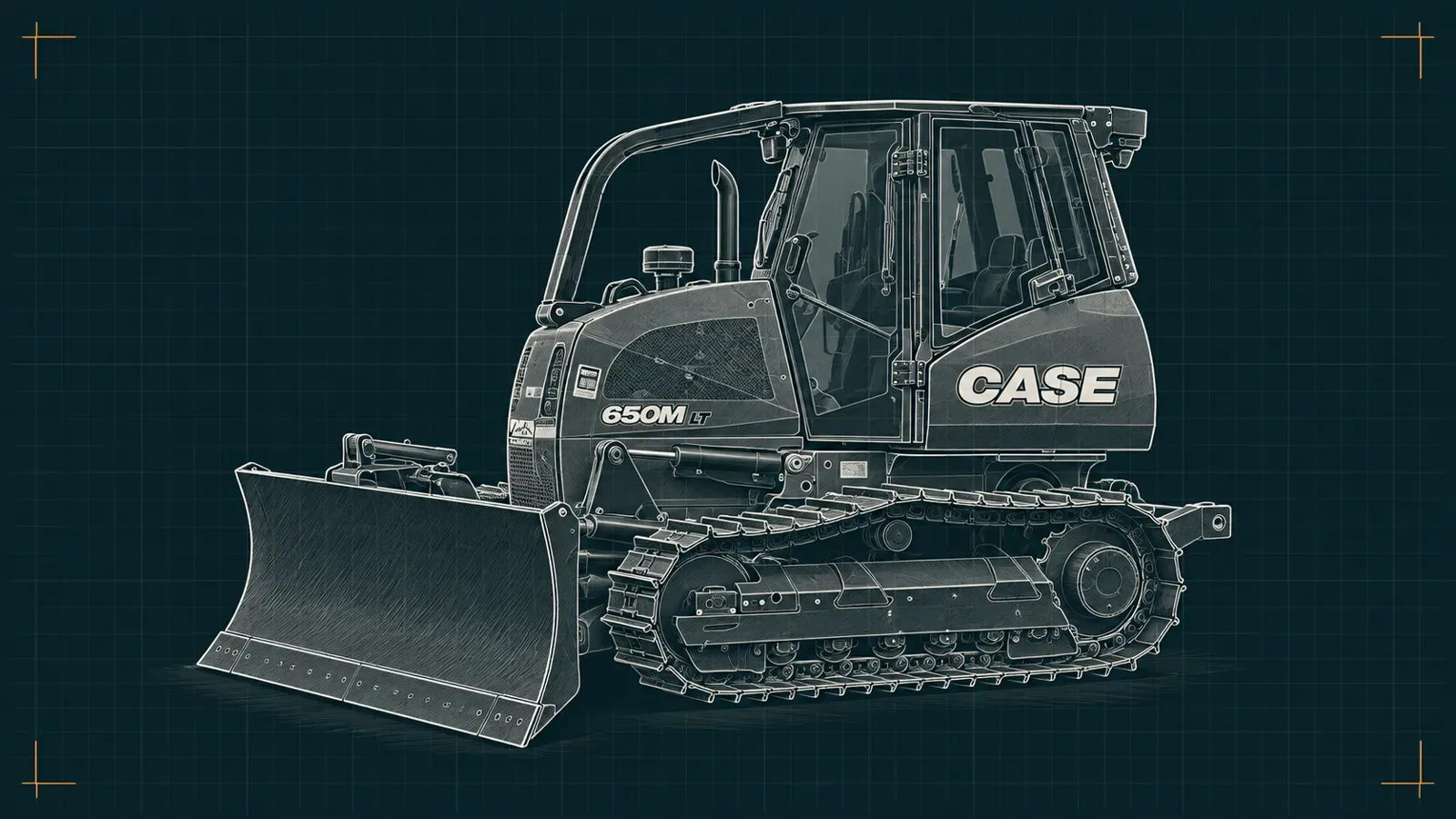
Small finish dozers
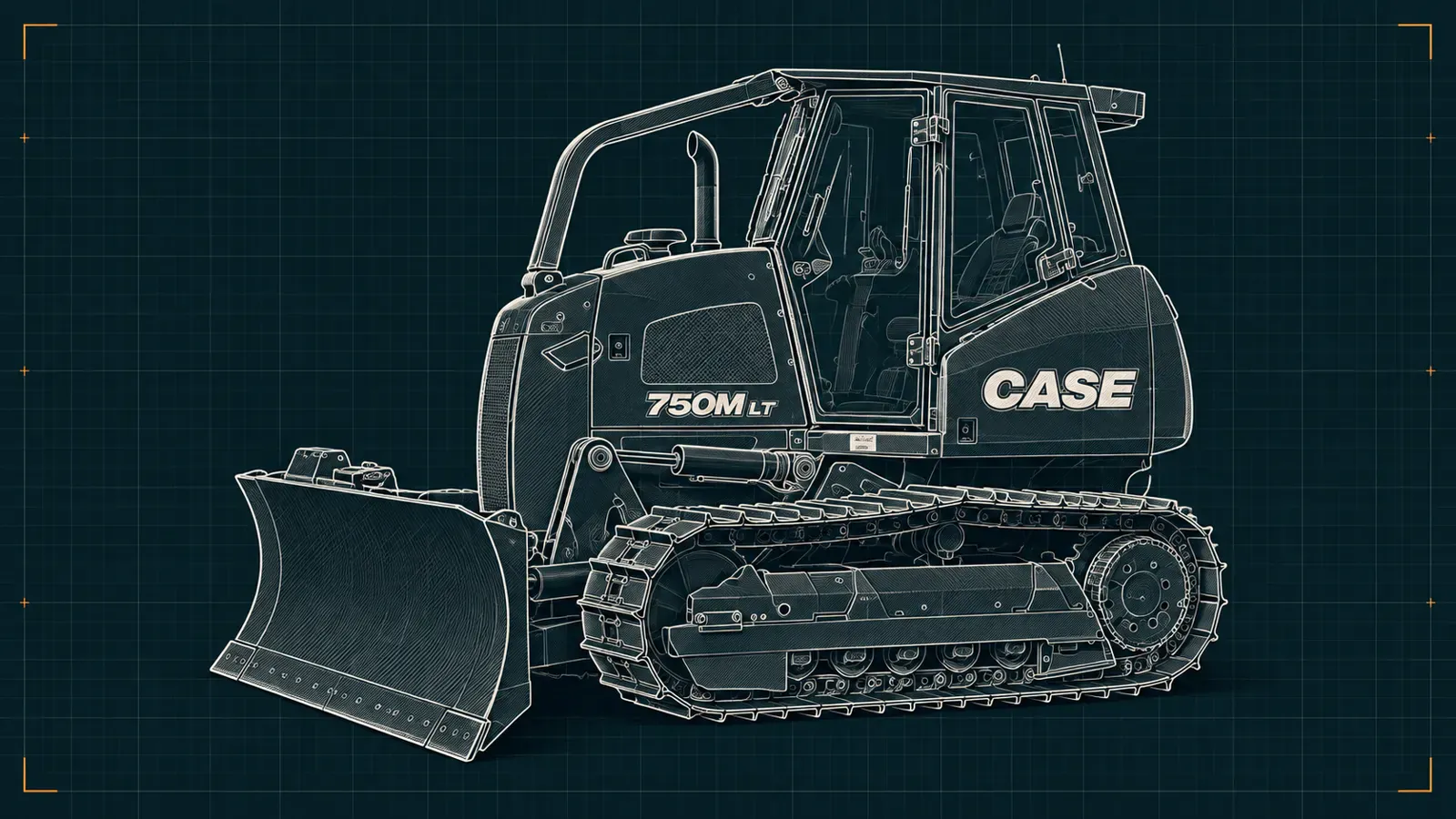
Mid-size construction
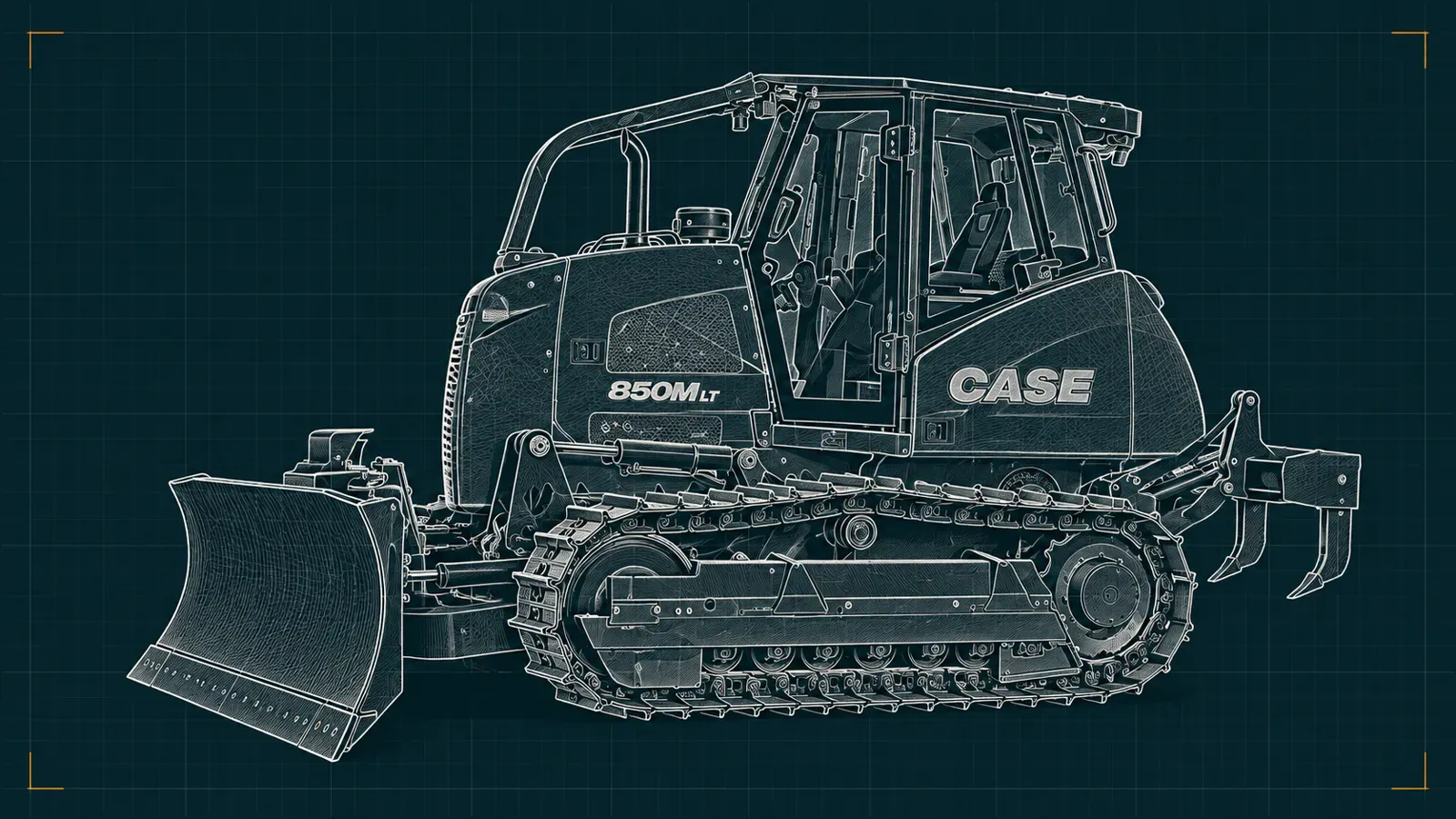
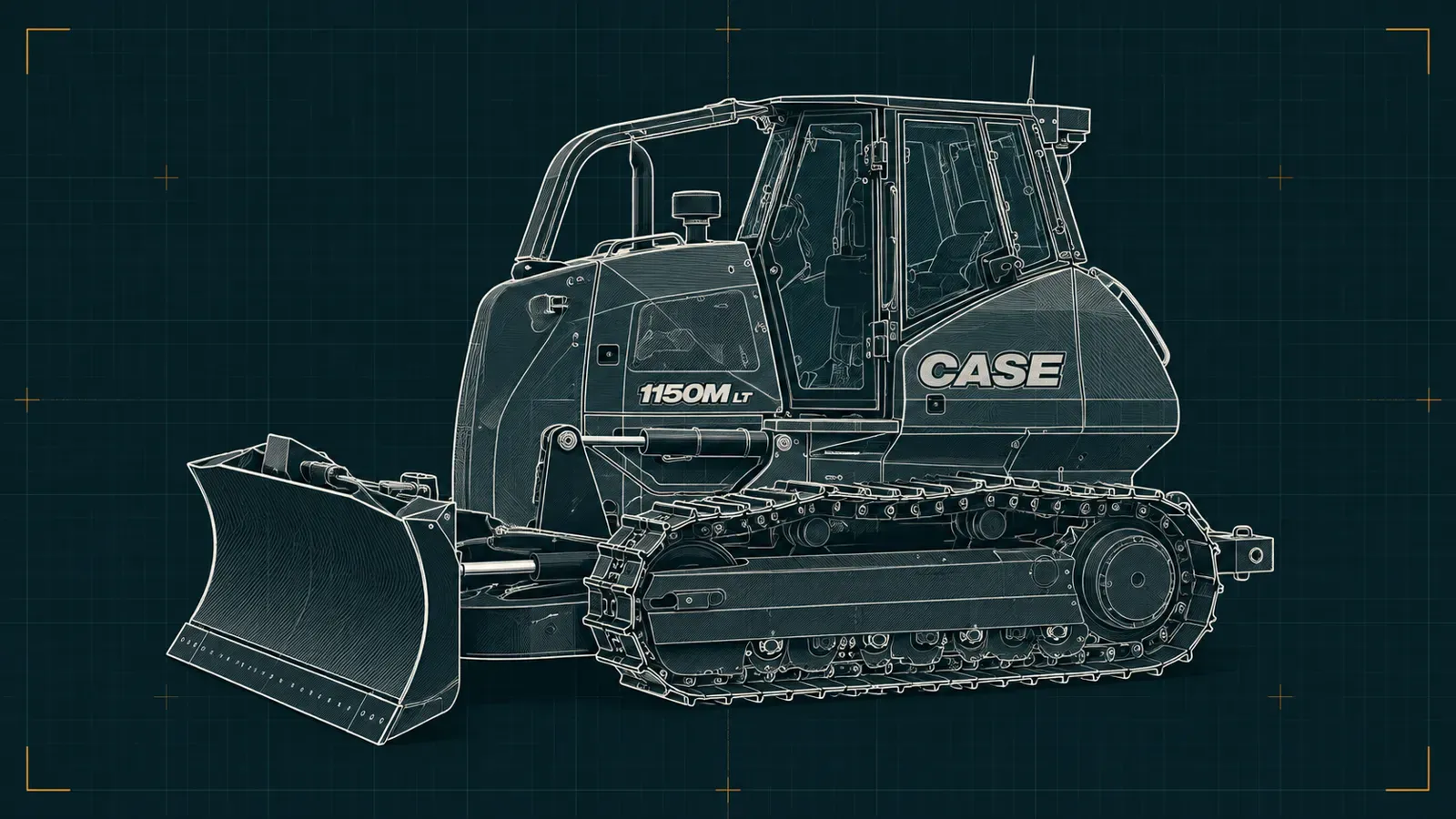
Large production
Low-ground-pressure
Waste-handler and forestry configurations
Specifications that matter
Specification
Why it matters
Operating weight
Defines machine class, transport exposure and stability context.
Horsepower
Compare the same power rating standard and the demands of the intended work.
Blade type and width
Must suit the material, work envelope, machine geometry and configuration.
Track gauge and shoe width
Affects traction, flotation, wear cost, width and transport.
Ripper configuration
Check the fitted tool, mounting points and hydraulic controls against the material to loosen.
Grade-control capability
Confirm installed hardware, software access and compatibility with your site workflow.
Transport dimensions
Check the travel configuration against trailer space, access restrictions and route requirements.
Before buying used
Obtain an undercarriage measurement report
Inspect blade C-frame, equalizer bar and pivot points
Test steering, transmission response and grade-control components
Ownership costs to consider
Cost drivers
Complete undercarriage system
Blade linkage and C-frame
Equalizer bar, pivots and final drives
Grade-control hardware
Plan your transport
Transport checklist
Measure blade width in travel position
Include ripper and guarding
Record actual operating weight
Confirm loading method for a non-operating machine

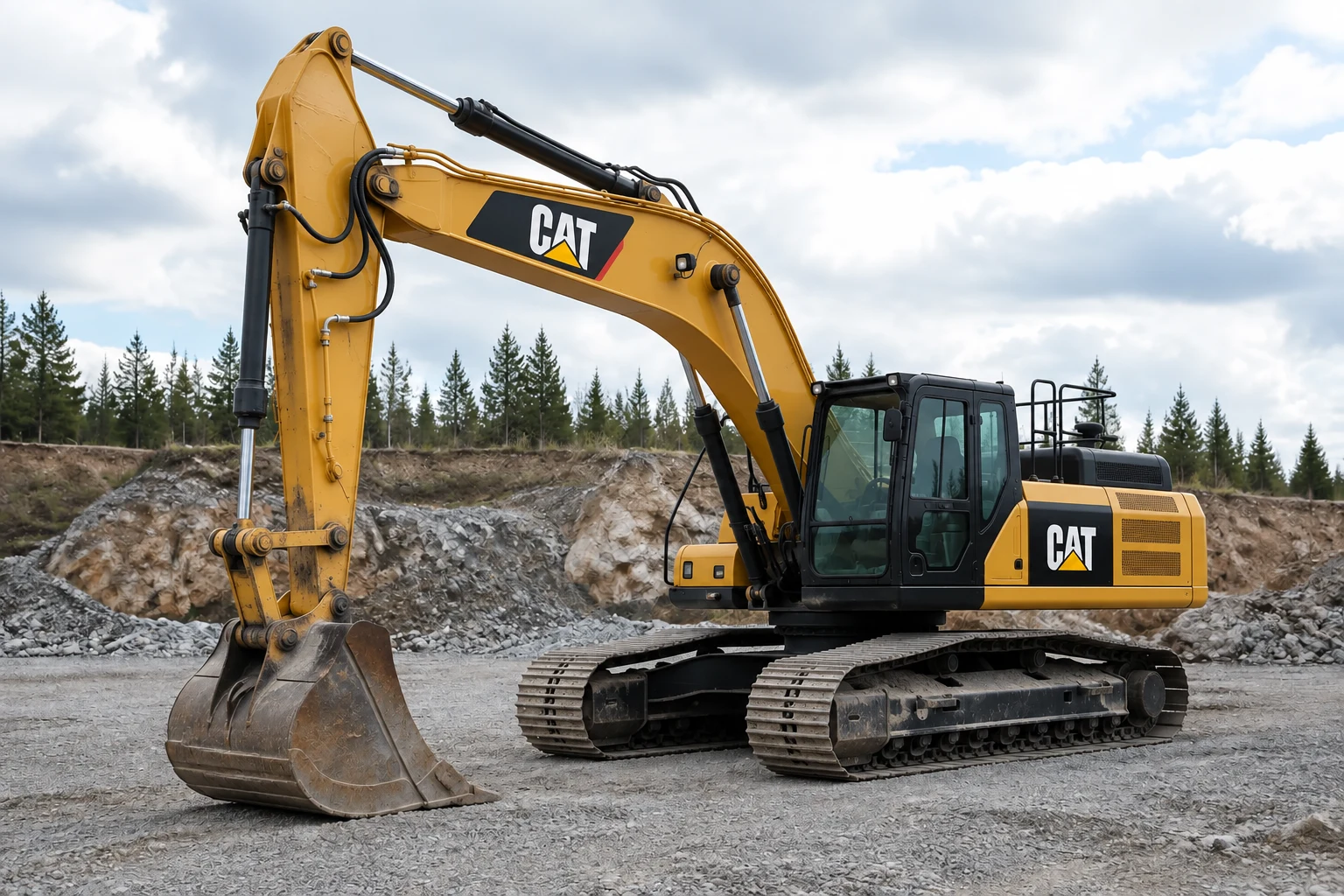 Earthmoving
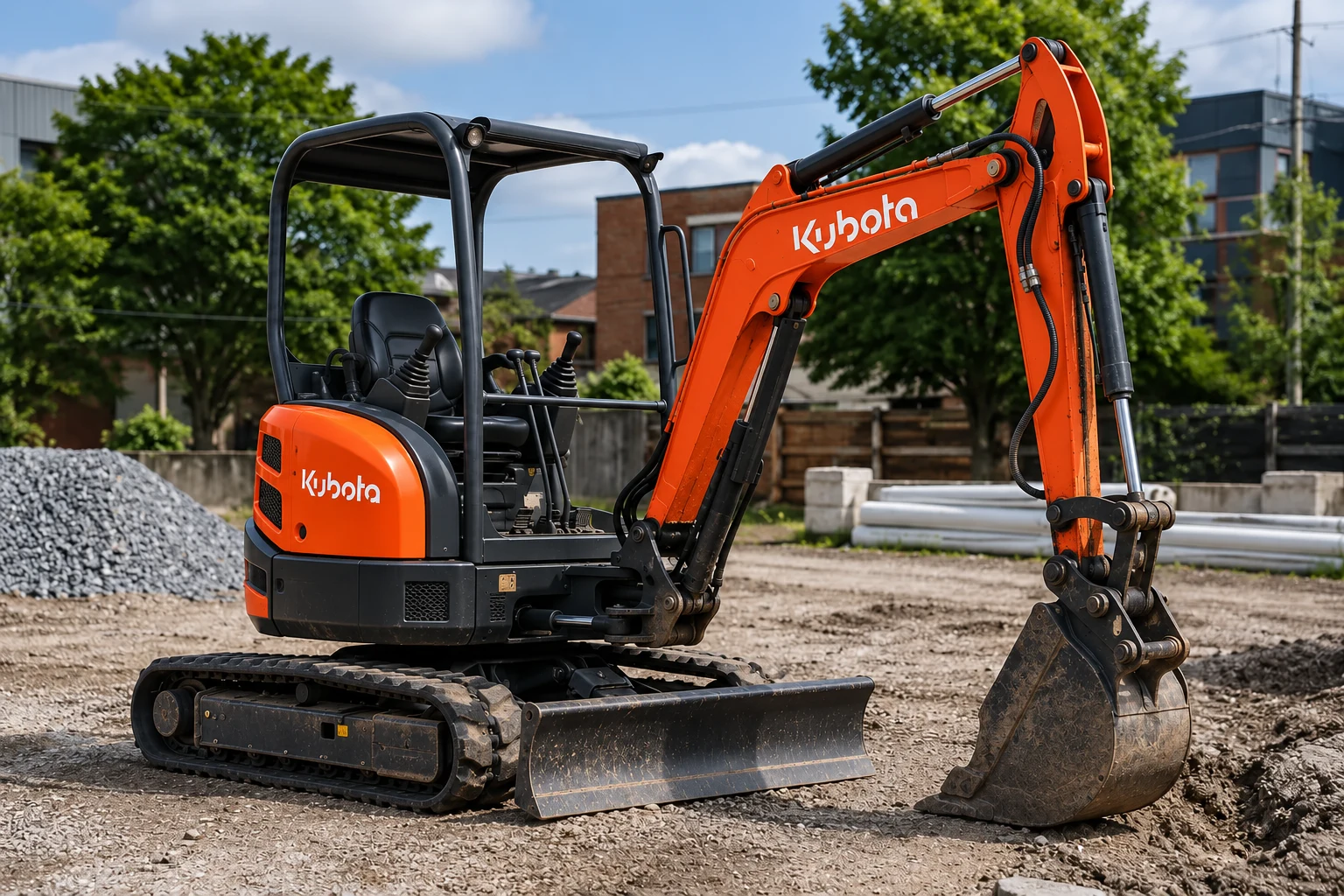 Earthmoving
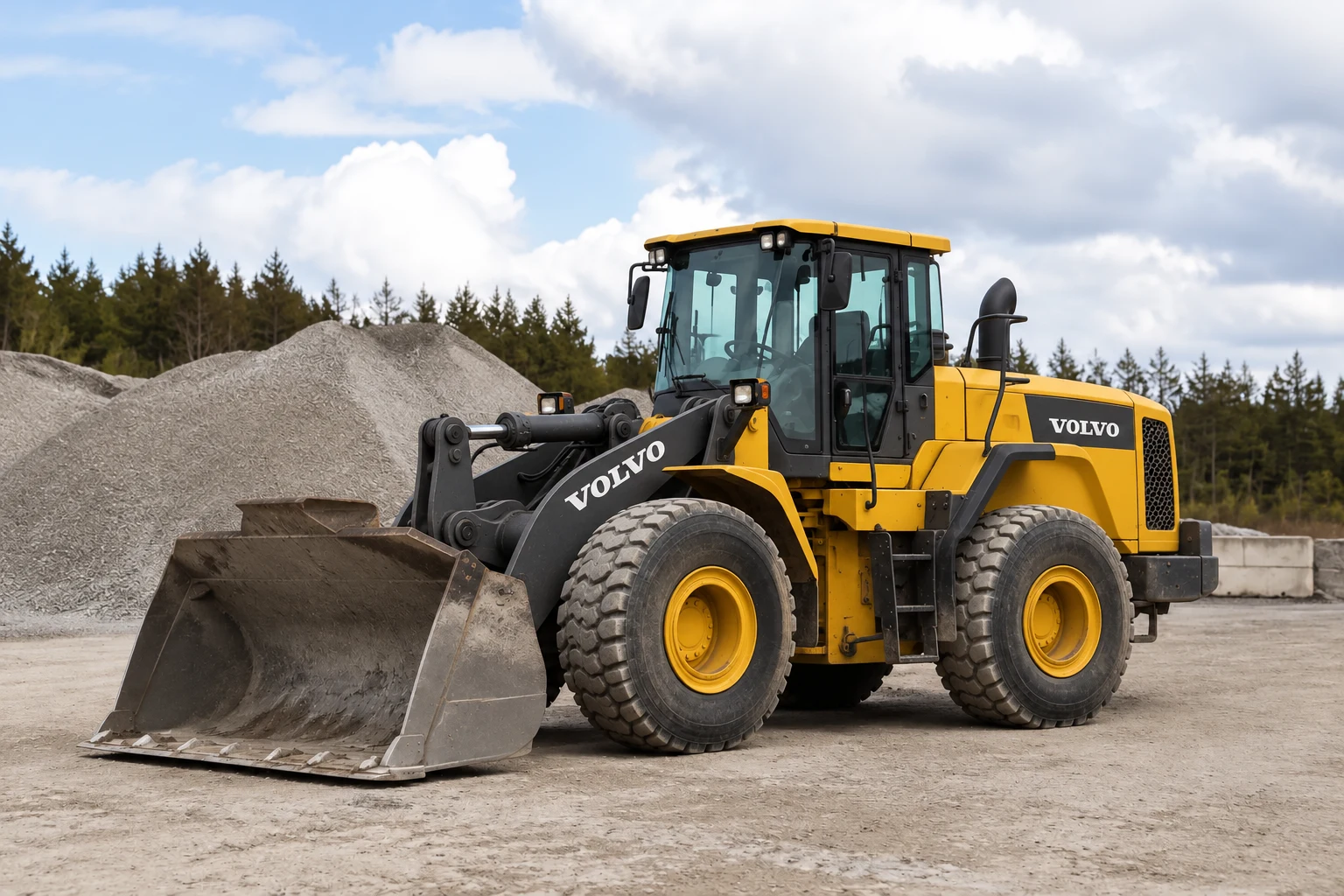 Earthmoving
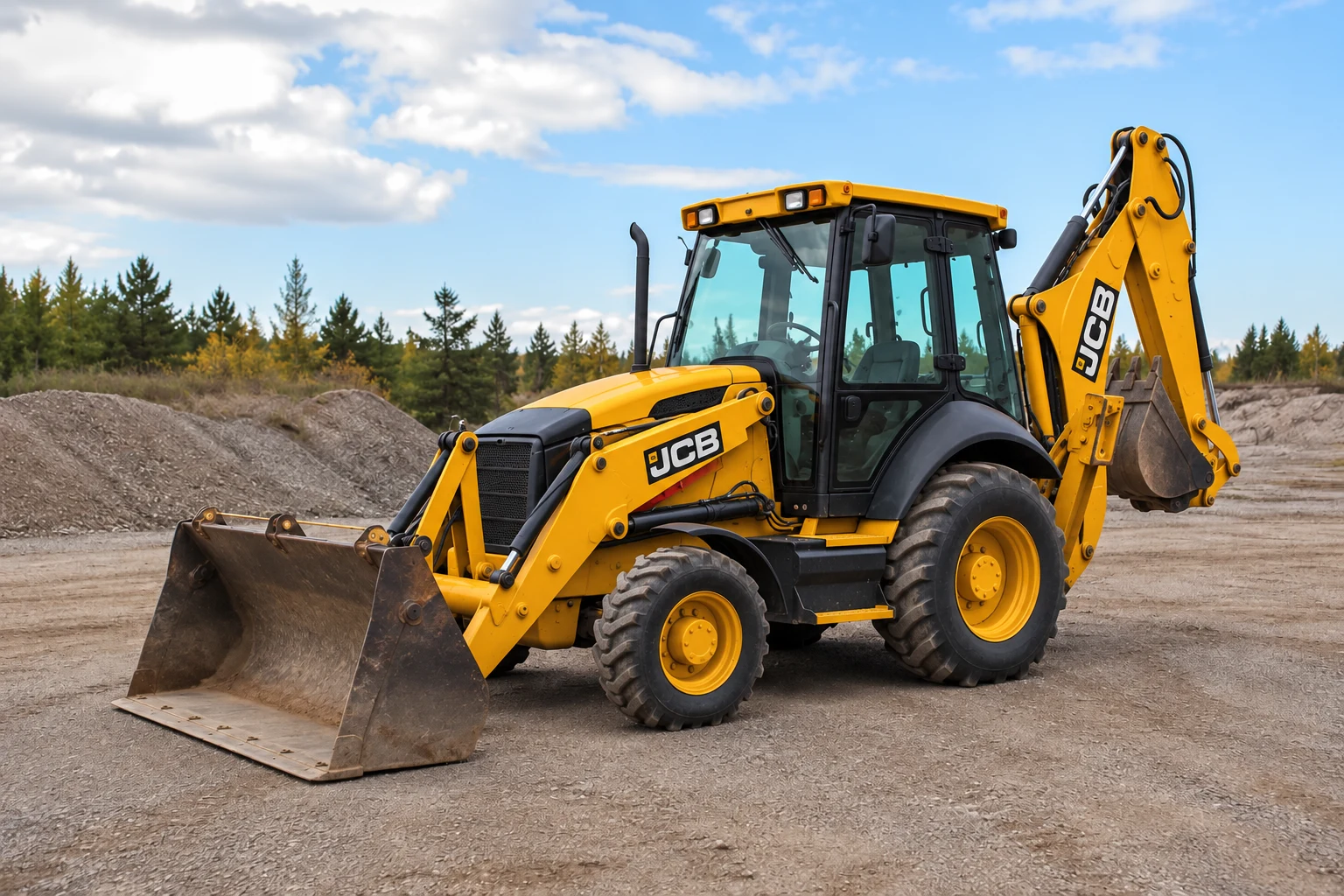 Earthmoving