Start with the required milling width, depth and material-removal task, then consider how trucks will approach the discharge conveyor. Drum equipment and conveyor arrangement should remain attached to every comparison. Folded transport size is a separate planning check.
Questions that shape the equipment choice
Job requirement
What to compare
Evidence to obtain
Cut requirement
Drum width and application
Confirm the installed drum and cutting tools
Truck loading
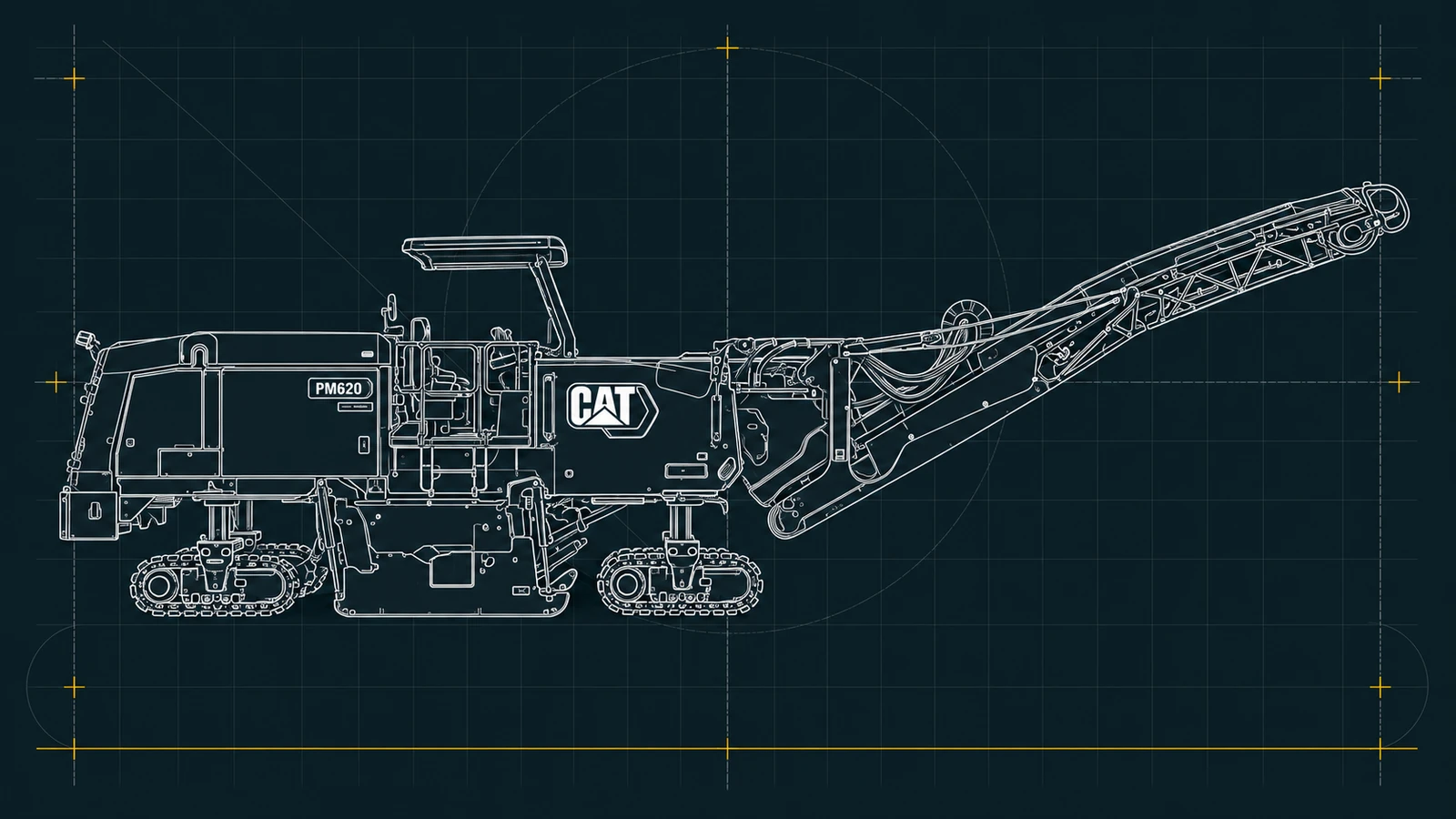
Conveyor direction and working reach
Check receiving-truck access and clearance
Wear exposure
Tools, holders, conveyors and tracks
Obtain an itemized pre-purchase inspection
Choose the machine architecture
Cold Planers: subcategories
Front-loading mills
Material conveyor discharges ahead of the machine.
Manufacturer configuration without an integrated discharge conveyor.
0 researched models
Configurations to check: Drum package · Propulsion · Conveyor folding · Grade control
Where this category begins and ends
Belongs here
Self-propelled cold milling machines; classify by how milled material leaves the machine.
Belongs elsewhere
Loader-mounted milling attachments, in-situ recyclers and soil stabilizers.
Prepare a useful comparison
Dimensions and configuration to check
Transport dimensions with conveyor folded
Milling width
Maximum milling depth
Conveyor discharge height
Working conveyor envelope
Compare the same configuration, including attachments, folded parts, counterweights and stabilizers. Transport dimensions can differ substantially from the working setup.
Before comparing used machines
Inspect drum holders and picks, conveyor belts, track systems and grade-control sensors. Distinguish working and folded conveyor positions.
Manufacturer references
Product-family references for this guide; individual model measurements require their own documentation.

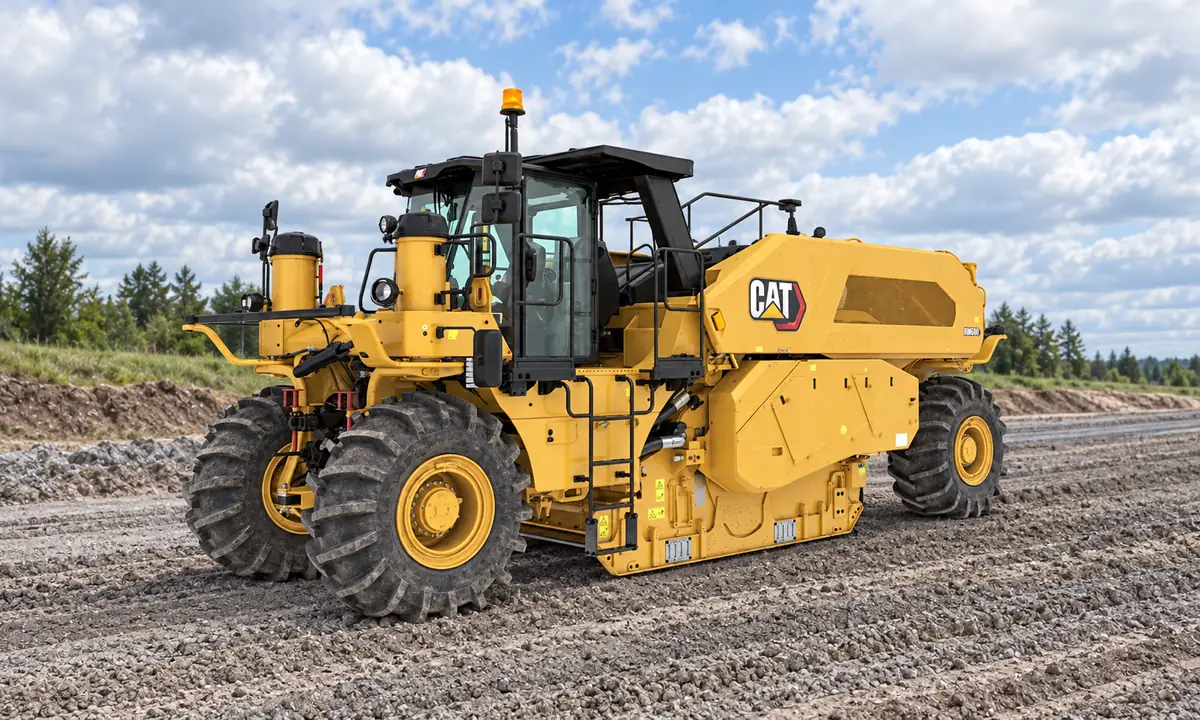 Roadbuilding
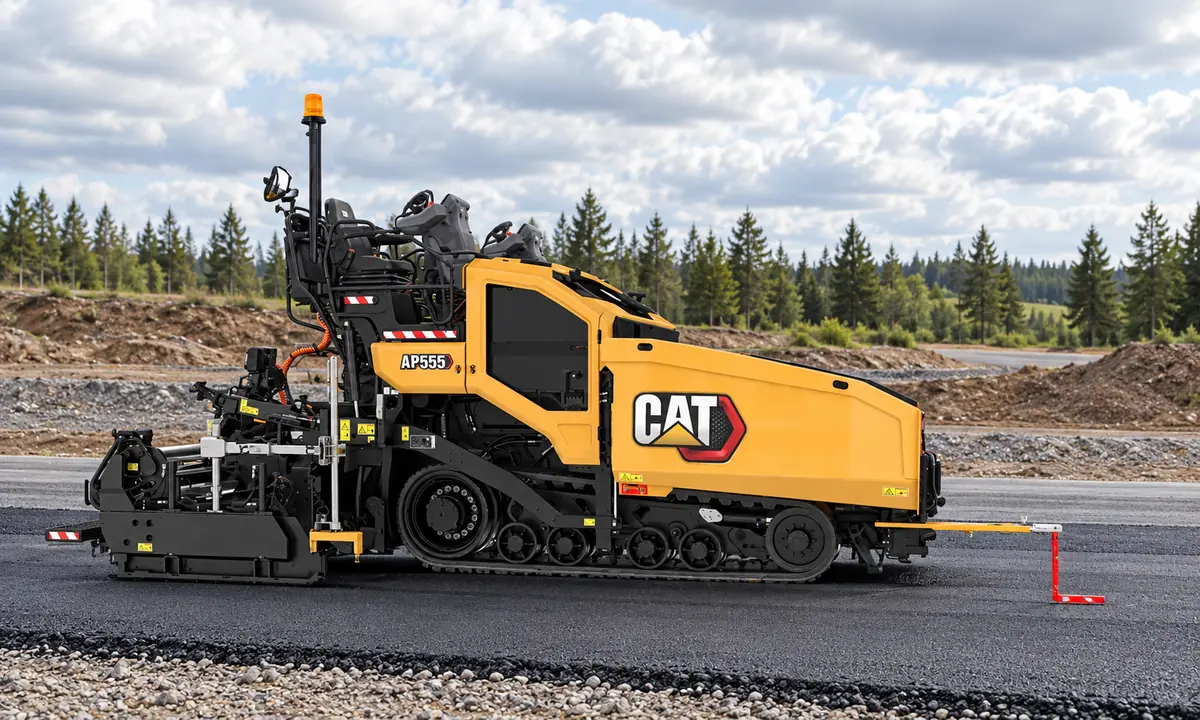 Roadbuilding