Define the material, pushing distance and movements between work areas. Use the blade and tire arrangement actually offered. Blade width, tire width and the turning envelope answer different access questions and should remain separate in the shortlist.
Questions that shape the equipment choice
Job requirement
What to compare
Evidence to obtain
Pushing task
Blade arrangement and material
Confirm the complete manufacturer application
Mobility
Tires and route conditions
Review access and the operating surface
Condition
Articulation, axles and blade mounts
Obtain an inspection and tire allowance
Choose the machine architecture
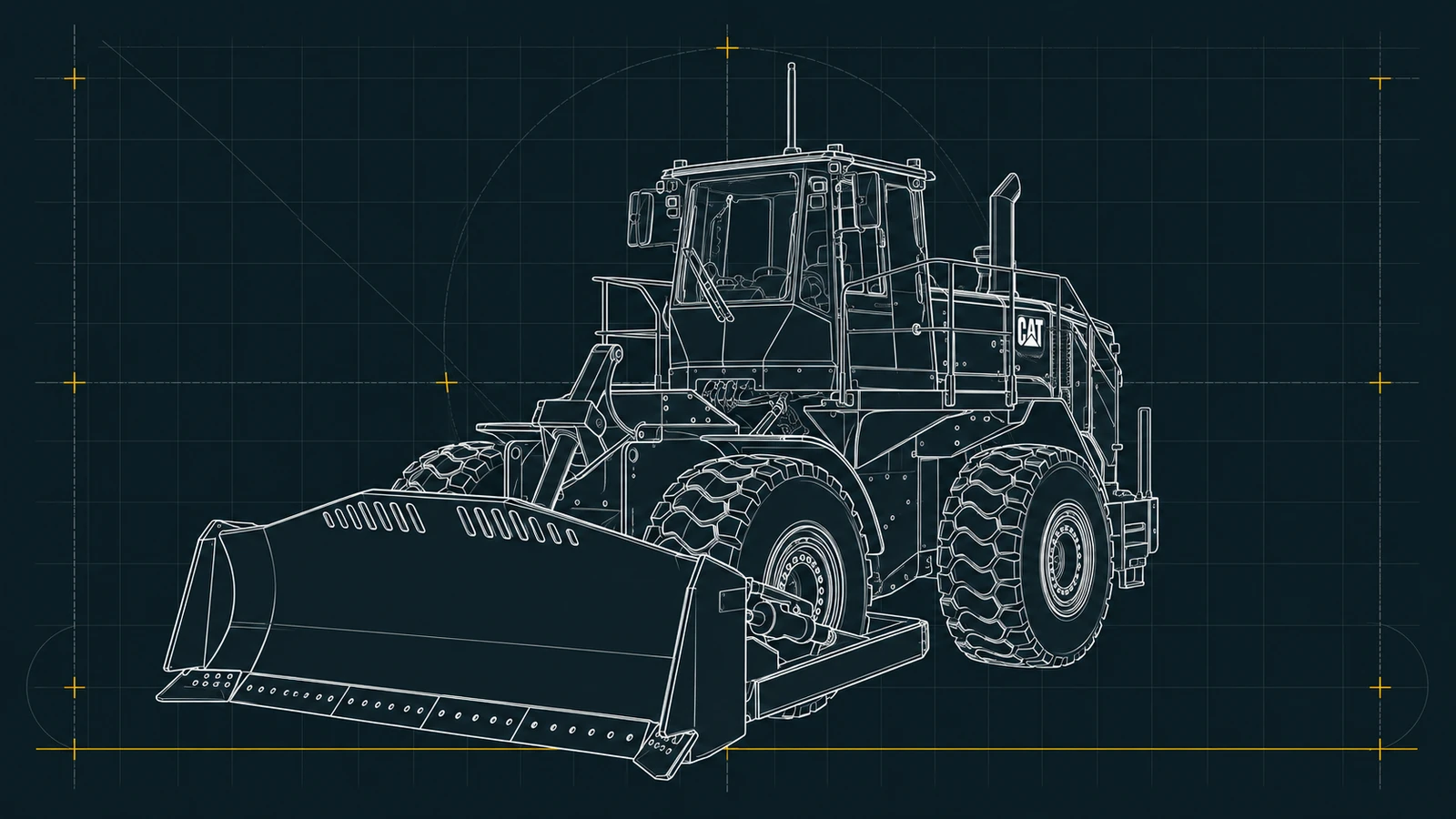
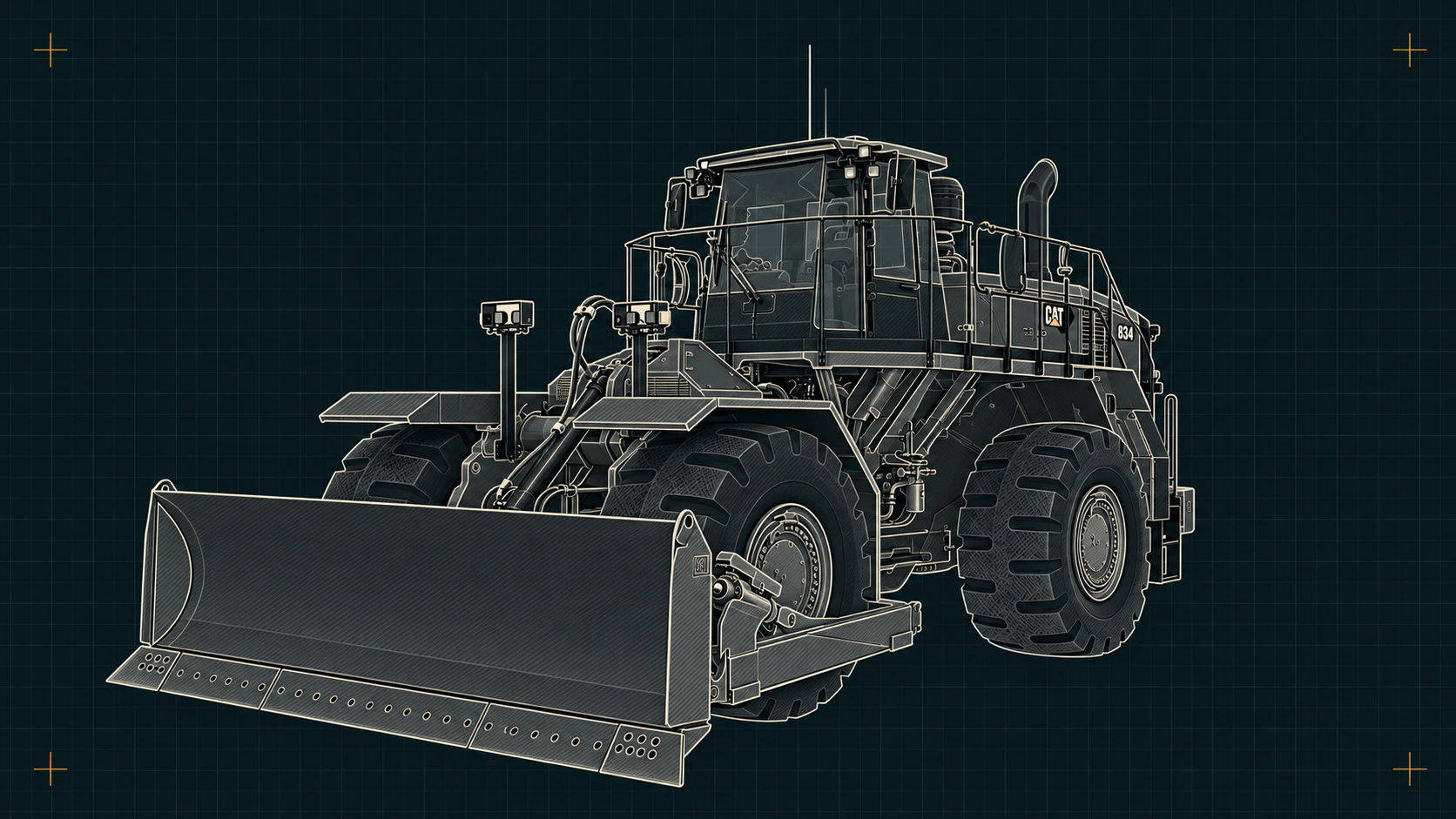
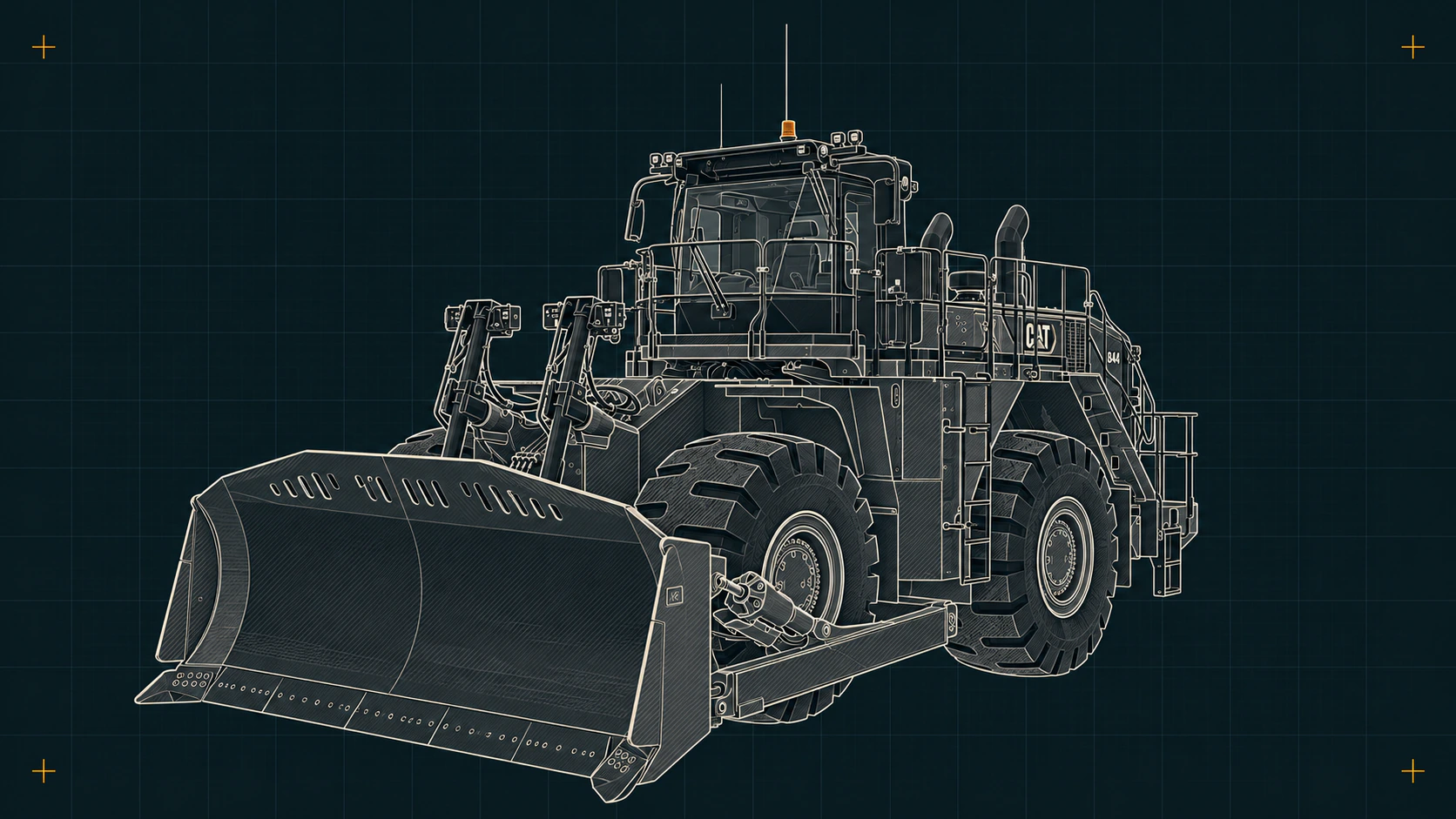
Wheel Dozers: subcategories
Purpose-built wheel dozers
A dedicated wheeled pushing machine; loader-to-blade attachment swaps do not qualify.
Configurations to check: Blade arrangement · Stockpile or mine application · Tires · Counterweight
Where this category begins and ends
Belongs here
Manufacturer-designated wheel-dozer families. Blade and application packages are attributes of the same family.
Belongs elsewhere
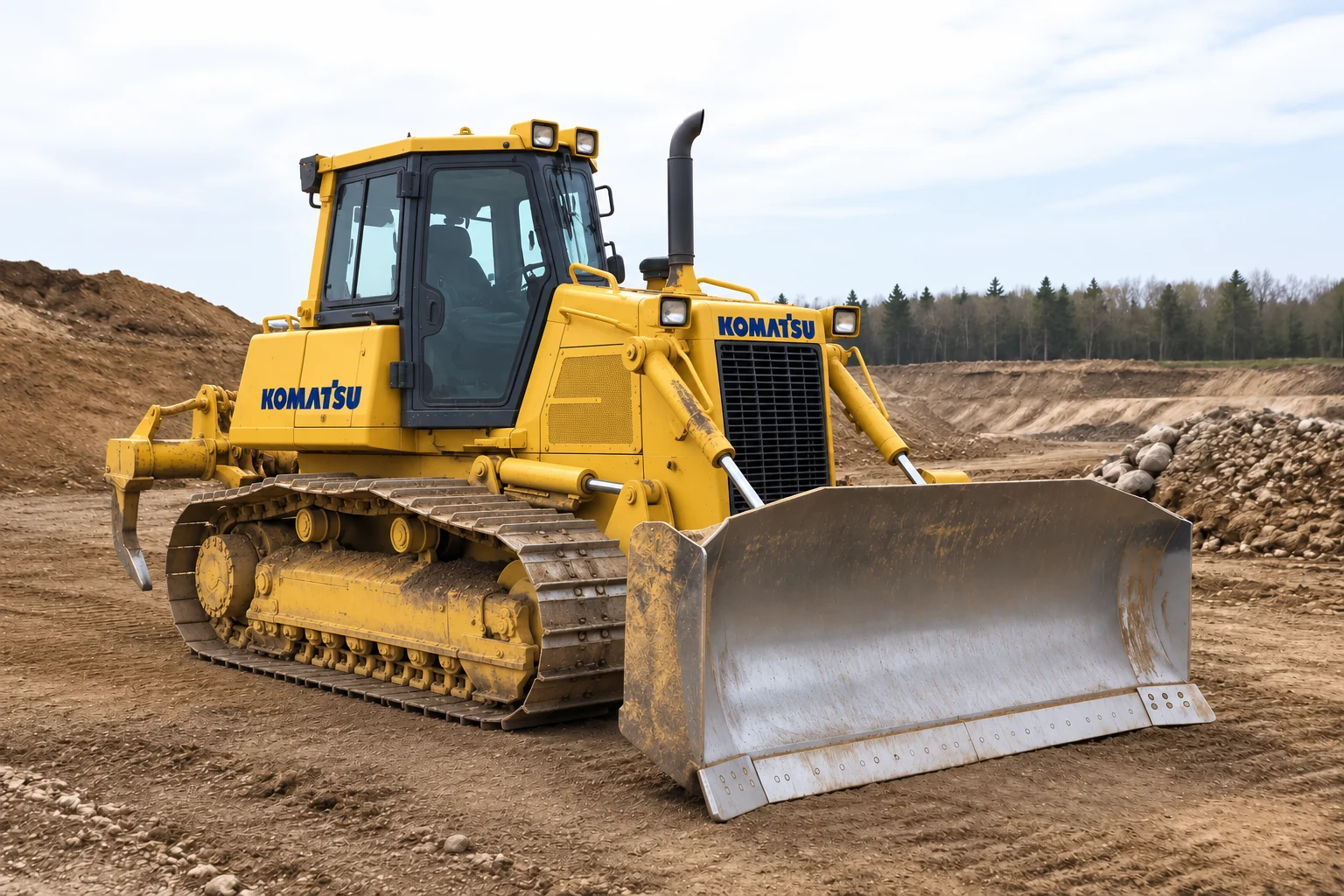
Wheel loaders carrying a blade, crawler dozers and steel-wheel soil or landfill compactors.
Prepare a useful comparison
Dimensions and configuration to check
Length with blade
Blade width
Width over tires
Cab height
Wheelbase
Ground clearance
Compare the same configuration, including attachments, folded parts, counterweights and stabilizers. Transport dimensions can differ substantially from the working setup.
Before comparing used machines
Inspect blade mounting, articulation, steering, axles and tire condition. Confirm whether quoted width is over the blade or tires.
Manufacturer references
Product-family references for this guide; individual model measurements require their own documentation.

 Earthmoving
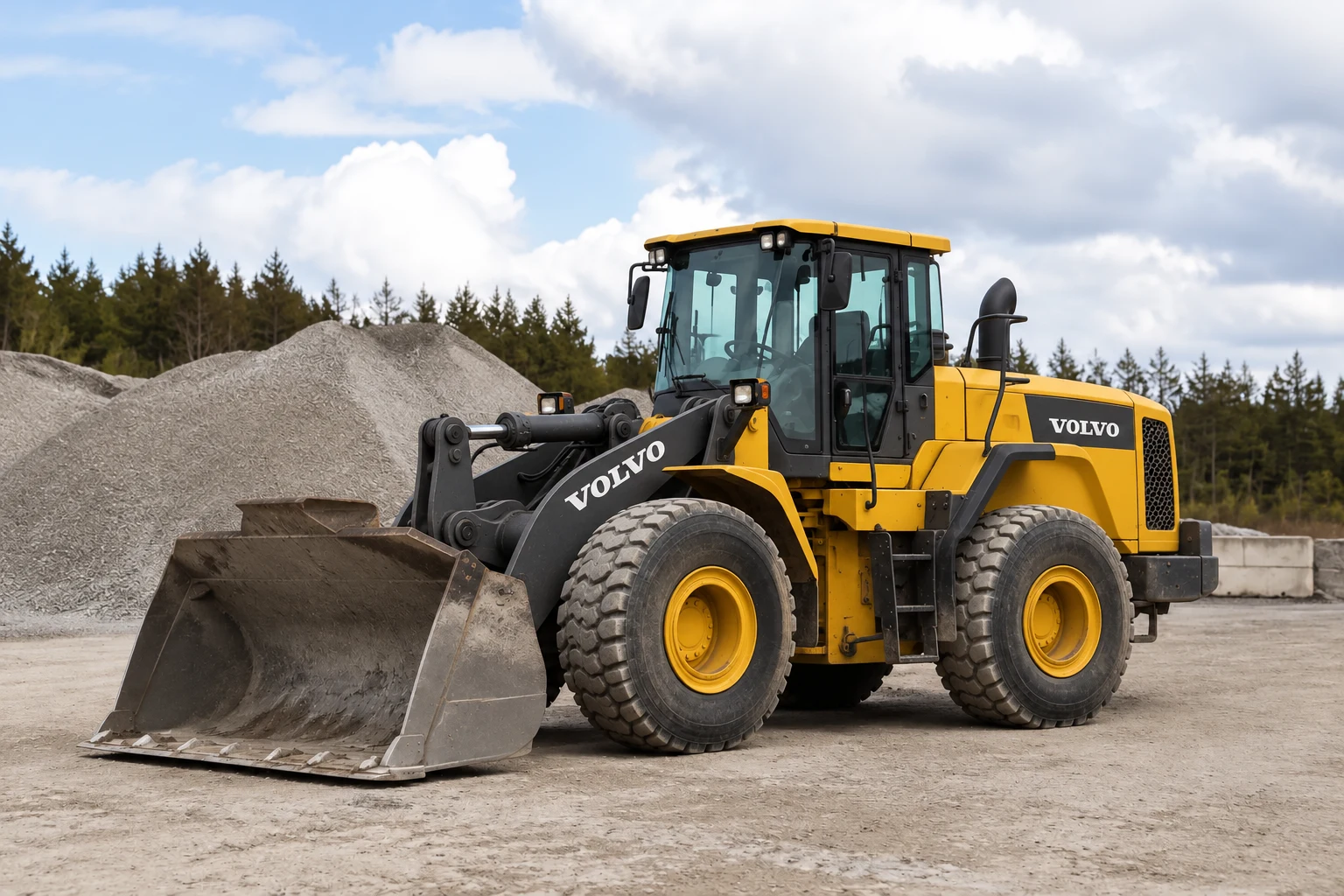 Earthmoving
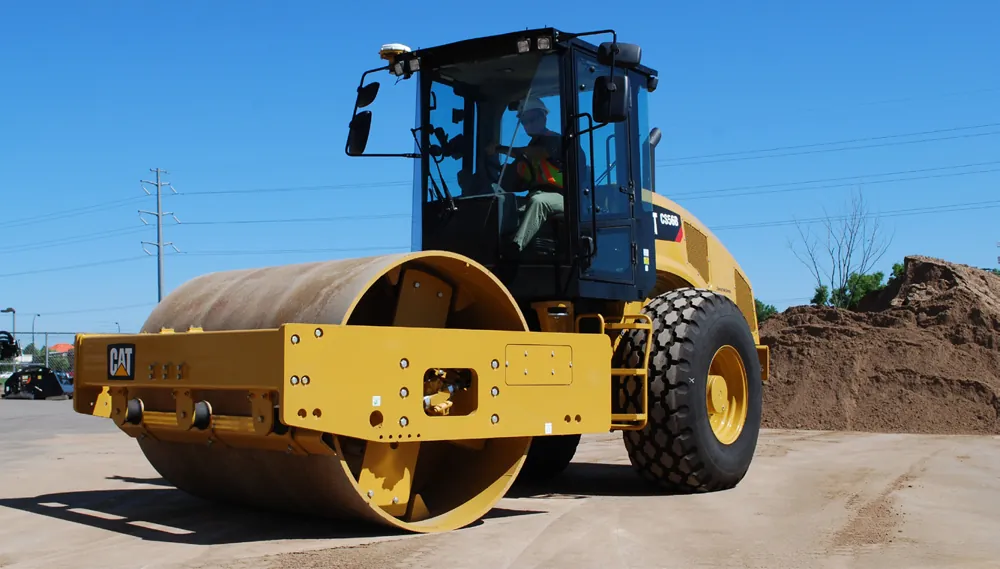 Compaction