Scrapers cut, carry and spread earth with a bowl. Loading mechanism and whether the scraper has its own power unit are separate classification decisions.
Choose the scraper arrangement around how material is loaded, carried and placed. A self-propelled scraper and a towed implement need different supporting equipment. Record the tractor or pushing support required before comparing the purchase price.
Questions that shape the equipment choice
Job requirement
What to compare
Evidence to obtain
Loading method
Open bowl or elevating arrangement
Identify the intended material and loading cycle
Power unit
Self-propelled or towed package
Include the compatible tractor and its requirements
Work area
Cut, haul and placement geometry
Check turning and the complete working envelope
Choose the machine architecture
Scrapers: subcategories
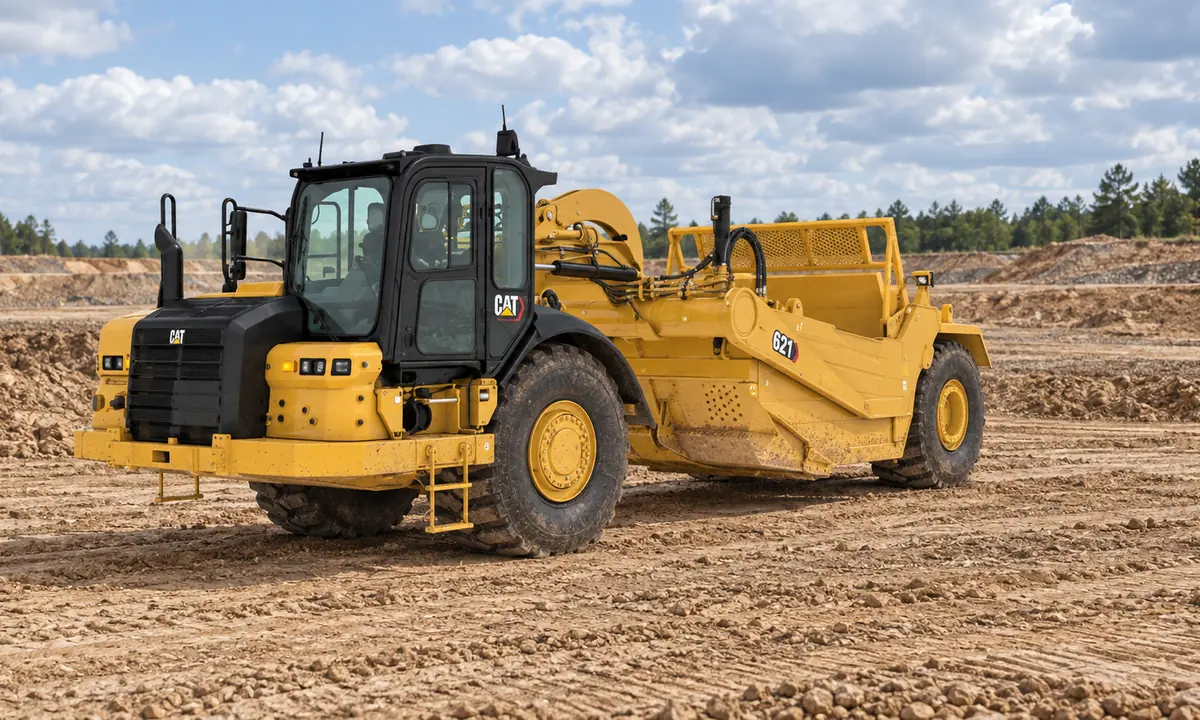
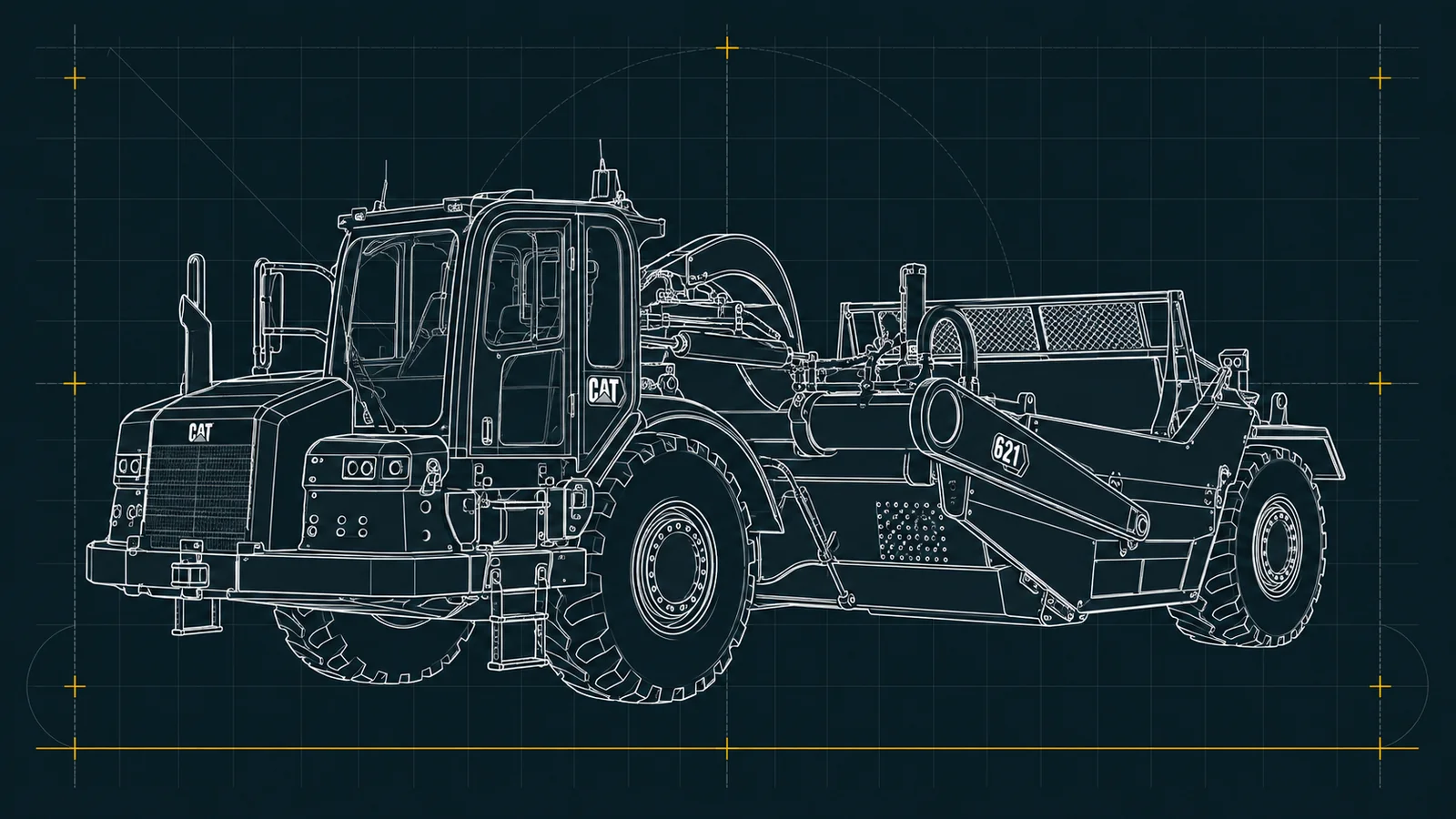
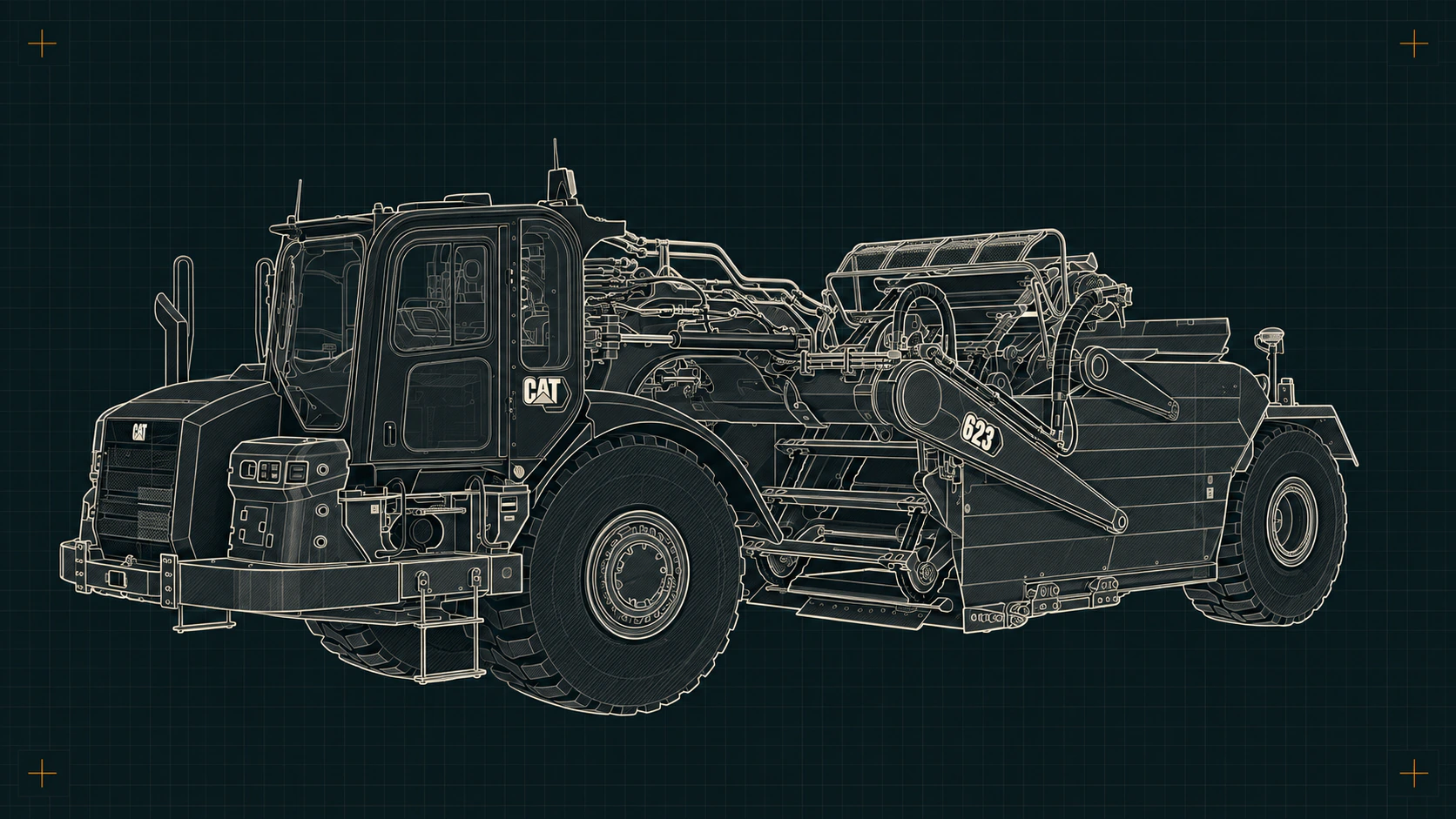
Self-propelled open-bowl
Open-bowl machine loaded by traction, push loading or a push-pull system.
Configurations to check: Single or tandem engine · Push-pull arrangement · Coal or earth bowl · Towing tractor
Where this category begins and ends
Belongs here
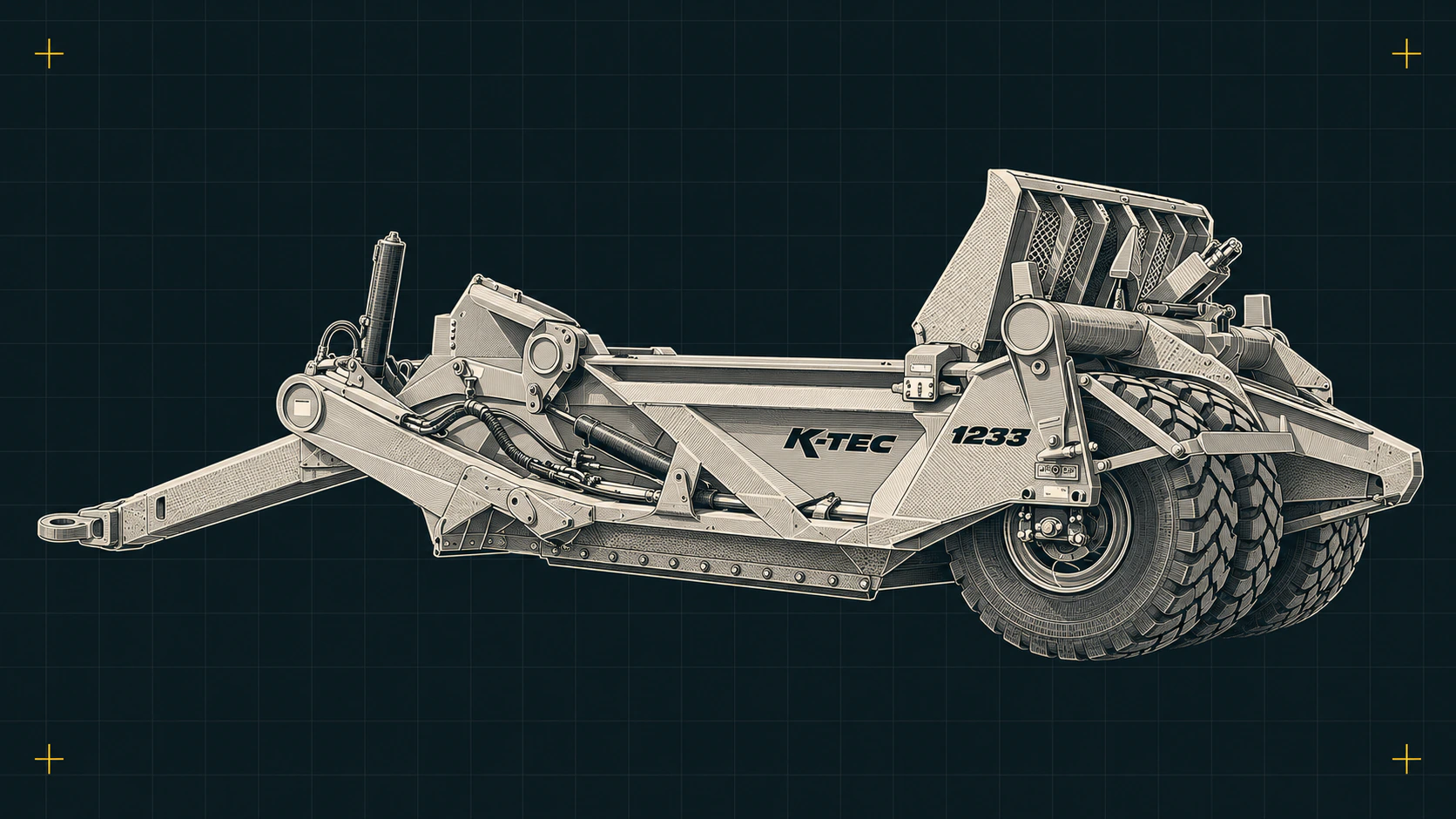
Self-propelled wheel-tractor scrapers and separately identified towed scraper implements.
Belongs elsewhere
Motor graders, dozer blades and truck haul bodies. A towed implement never inherits a tractor's dimensions or engine rating.
Prepare a useful comparison
Dimensions and configuration to check
Travel length, width and height
Cutting width
Maximum cut depth
Bowl clearance
Wheelbase or hitch-to-axle length
Compare the same configuration, including attachments, folded parts, counterweights and stabilizers. Transport dimensions can differ substantially from the working setup.
Before comparing used machines
Inspect bowl floor, cutting edge, ejector and elevator wear. Record tractor and scraper identities separately for a towed combination.
Manufacturer references
Product-family references for this guide; individual model measurements require their own documentation.


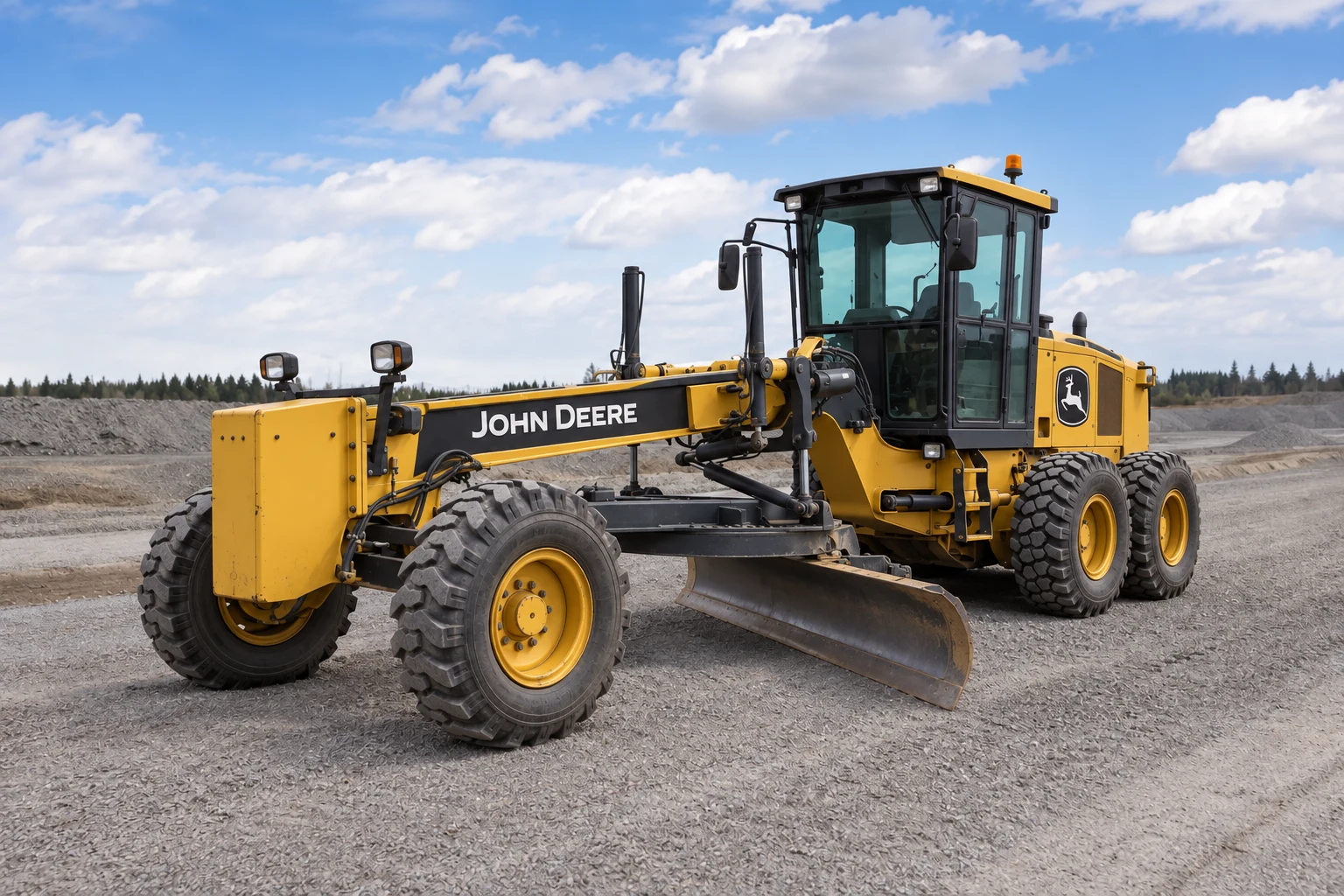 Roadbuilding
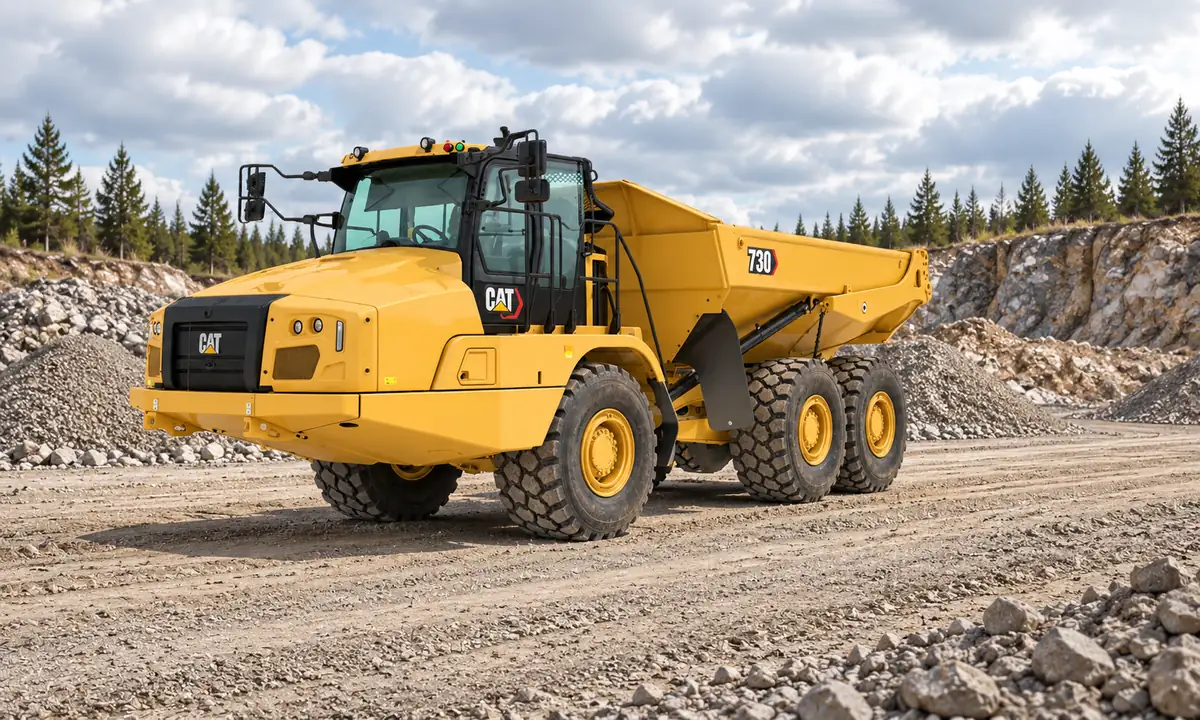 Hauling