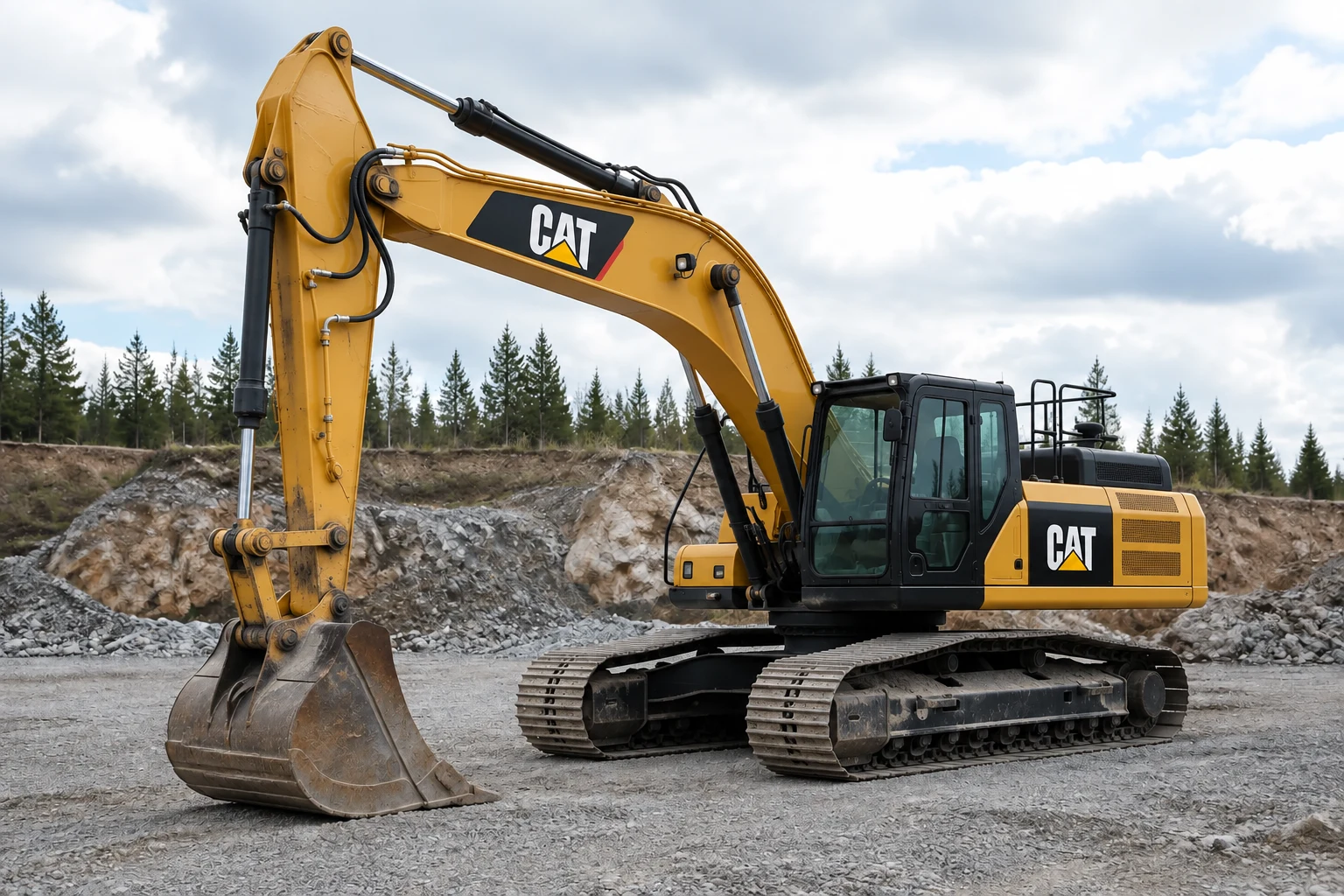
Start with the task: felling, processing, forwarding, skidding, loading or mulching. These functions need different machines and support. Identify the head, grapple or other tool and the guarding package; an excavator with an attachment is not automatically a dedicated forestry machine.
Questions that shape the equipment choice
Job requirement
What to compare
Evidence to obtain
Primary task
Harvesting, extraction, loading or clearing
Select the documented machine function
Terrain and access
Running gear and operating envelope
Review the jobsite and mobilization requirements
Working head
Tool, controls and guarding
Price the complete supported package and wear parts
Choose the machine architecture
Forestry Equipment: subcategories
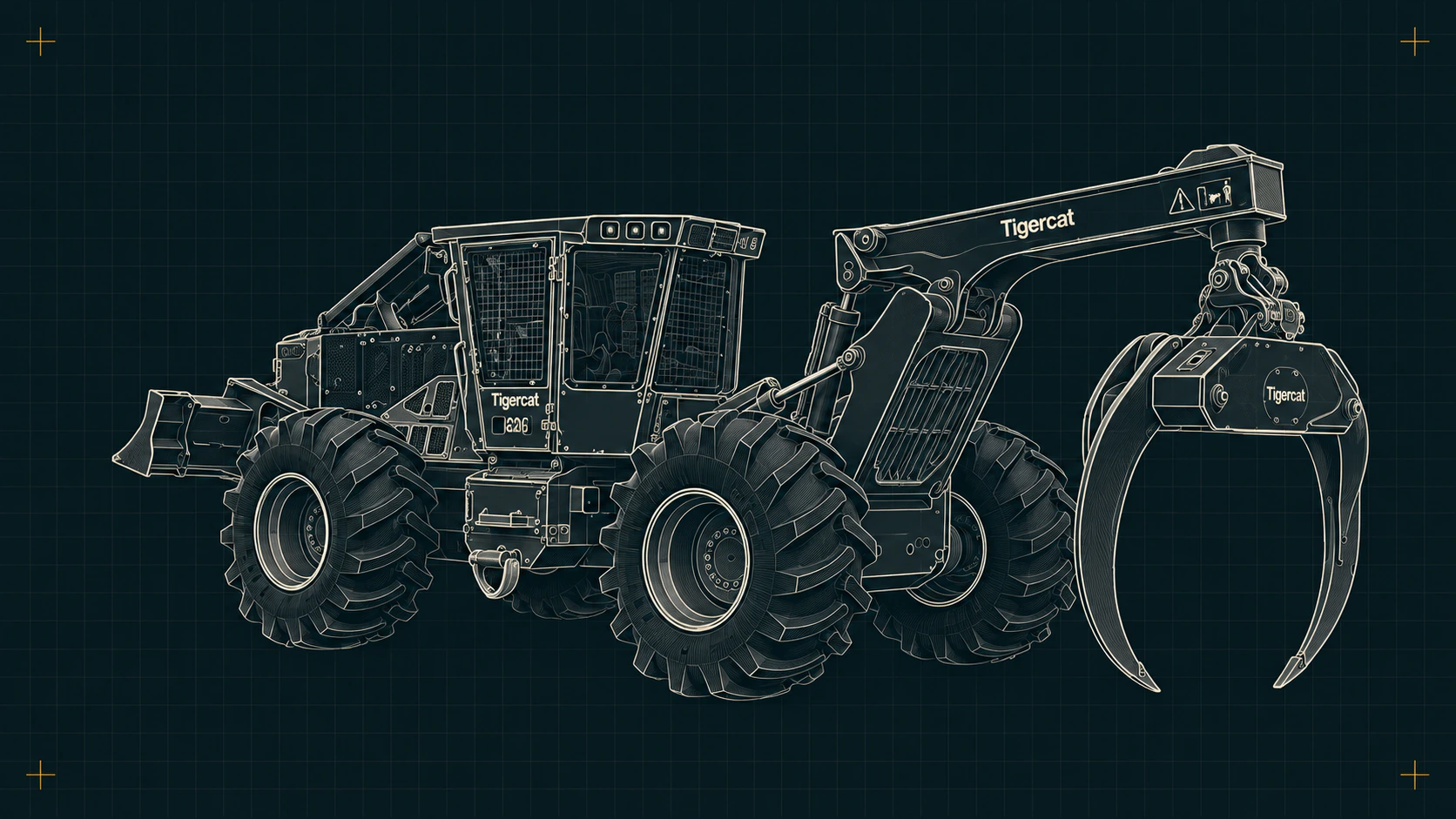
Skidders
Extracts stems by dragging them; cable and grapple systems are attributes.
Check: Overall width and ground clearance · Grapple opening or cable arrangement · Wheelbase
General excavators, loaders and compact track loaders with forestry tools; payload crawler carriers; detached heads; chippers, grinders and stump grinders pending their own processing categories.
Prepare a useful comparison
Dimensions and configuration to check
Transport dimensions with head and bunk specified
Boom or grapple reach where applicable
Bunk dimensions for forwarders
Cutting envelope for harvesting machines
Ground clearance
Compare the same configuration, including attachments, folded parts, counterweights and stabilizers. Transport dimensions can differ substantially from the working setup.
Before comparing used machines
Match carrier and head records, inspect protective structures and fire history, and review boom, traction and processing-system wear for the subtype.
Manufacturer references
Product-family references for this guide; individual model measurements require their own documentation.

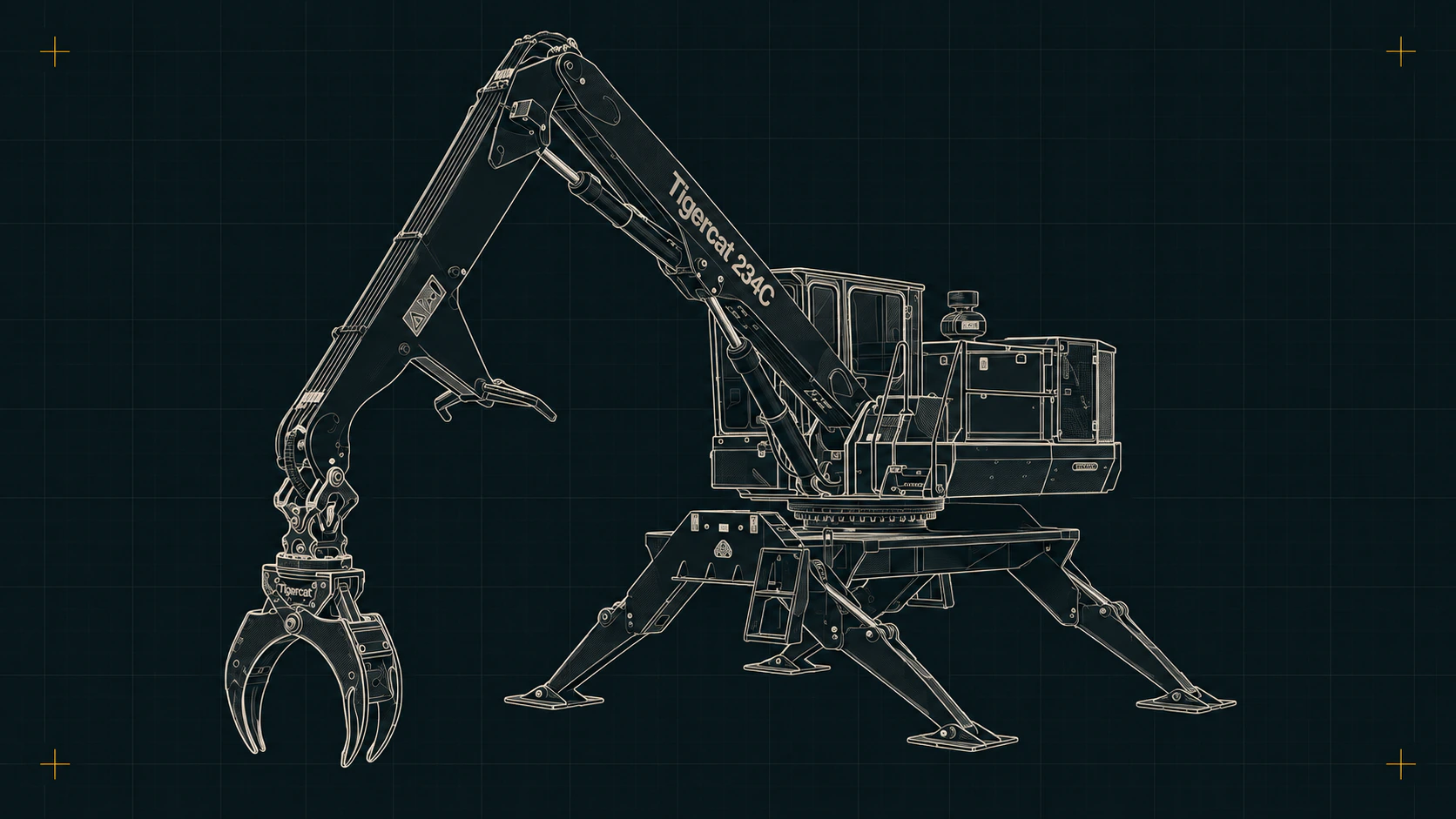
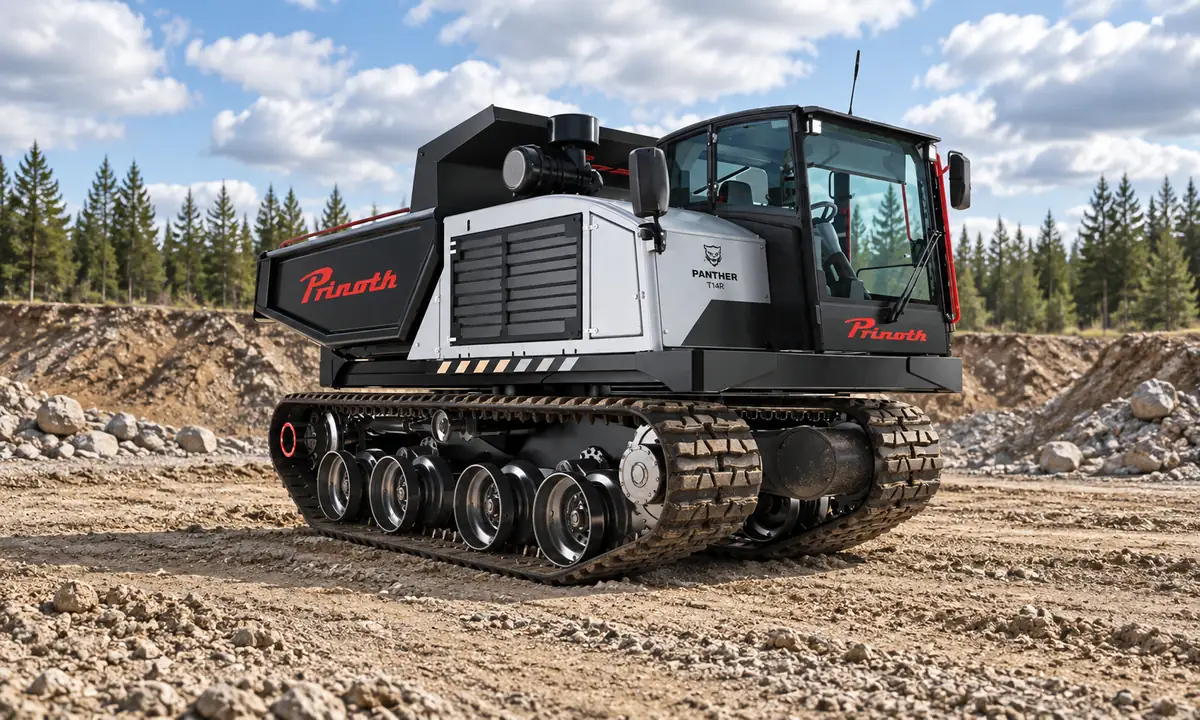 Hauling
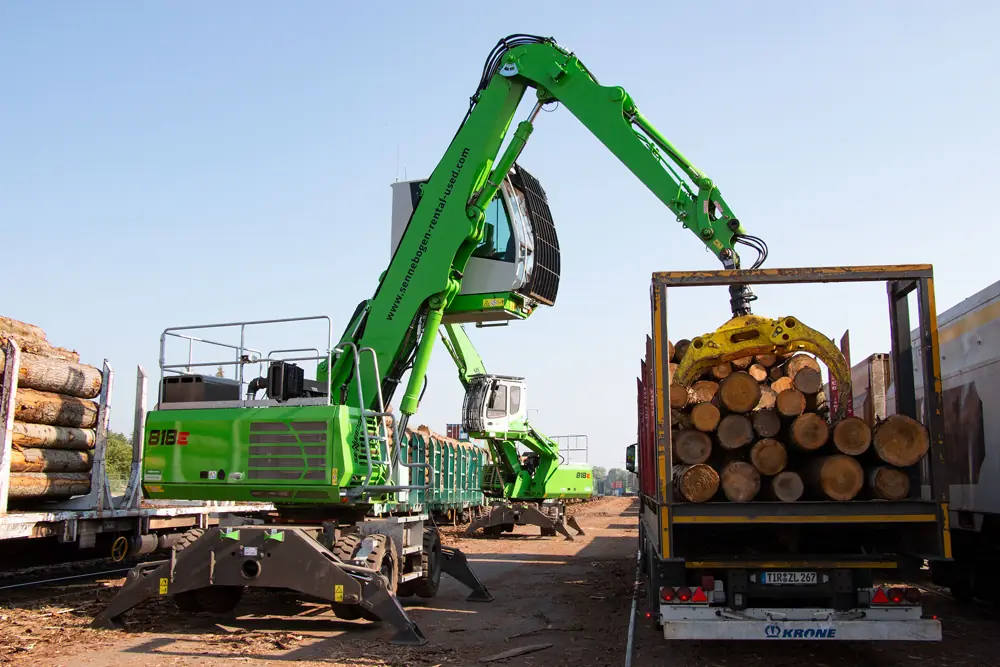 Access and Material Handling
 Earthmoving