Describe the planned installation and ground information with the drilling specialist. The drill, rods, tooling and fluid system form a working package. A single thrust or torque rating does not establish that the proposed bore is feasible.
Questions that shape the equipment choice
Job requirement
What to compare
Evidence to obtain
Ground and method
Rod and drilling architecture
Obtain a project-specific equipment review
Working kit
Rods, tooling and fluid equipment
List what the offered package includes
Setup
Anchoring, operator and support space
Check the operating layout and utilities plan
Choose the machine architecture
Directional Drills: subcategories
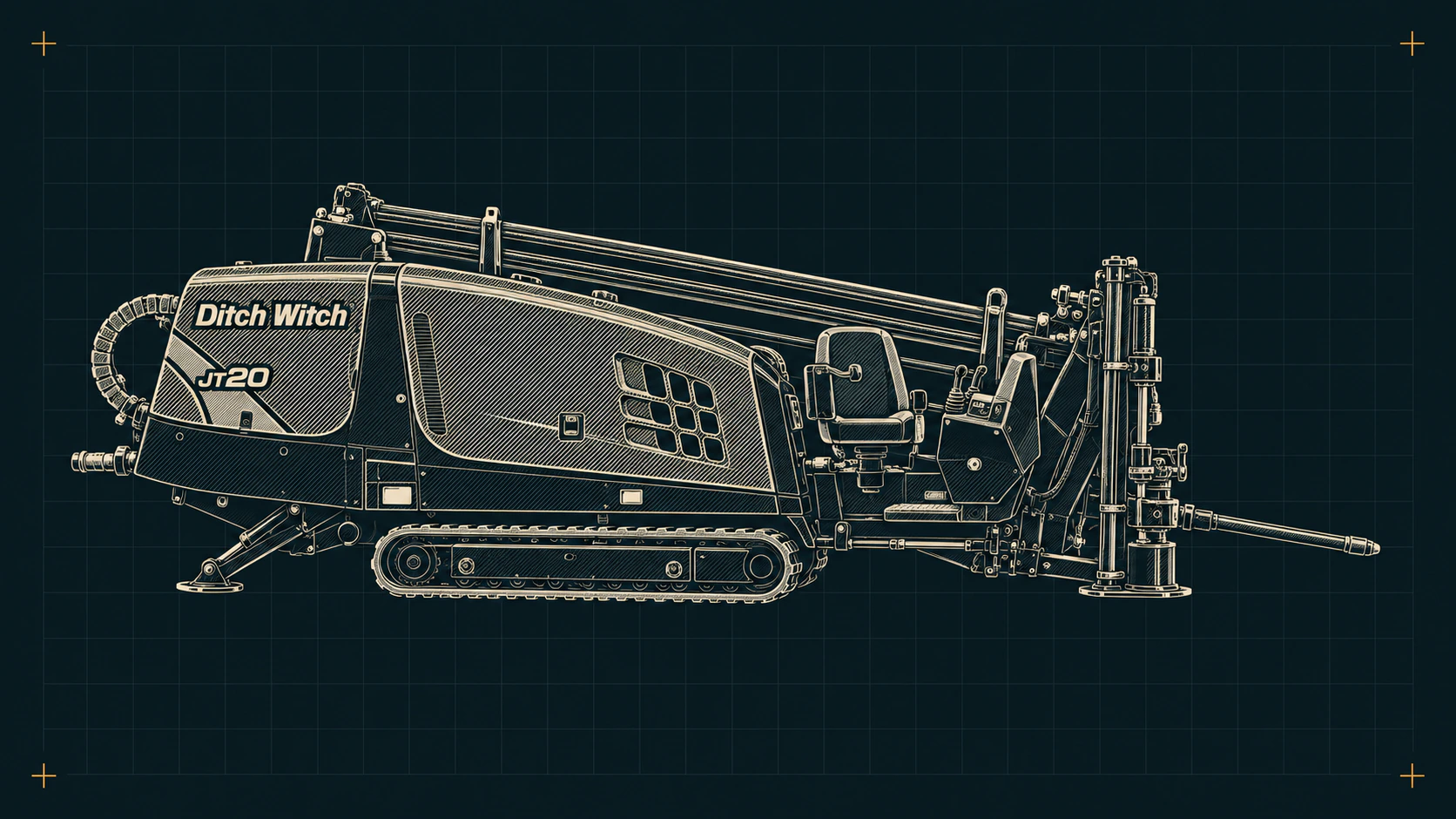
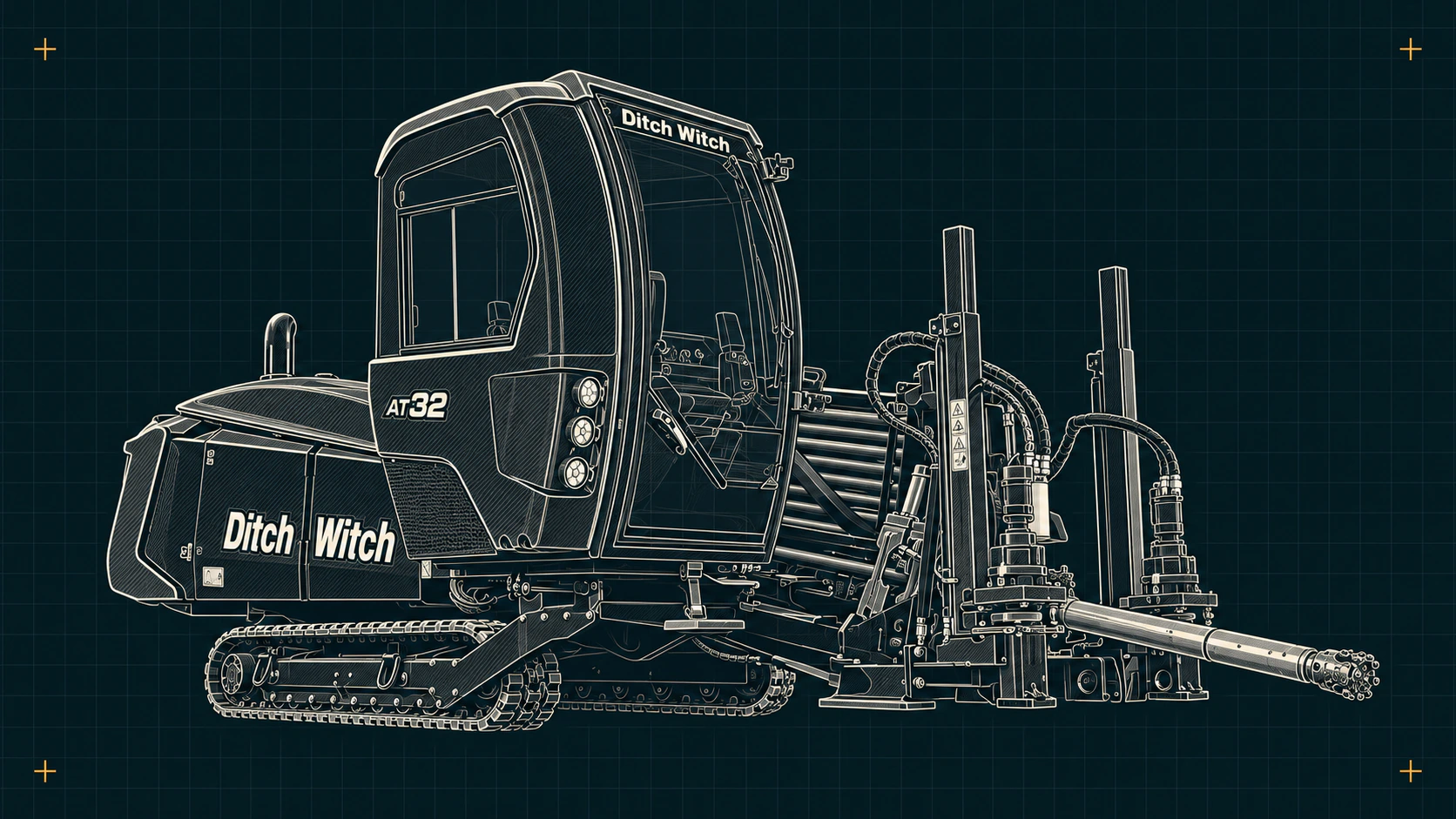
Conventional HDD rigs
Conventional rod system; bore geology is an application attribute.
Configurations to check: Rod system · Anchoring · Fluid system · Utility or pipeline application
Where this category begins and ends
Belongs here
Purpose-built HDD rigs; distinguish conventional and dual-rod drilling systems when the OEM identifies them.
Belongs elsewhere
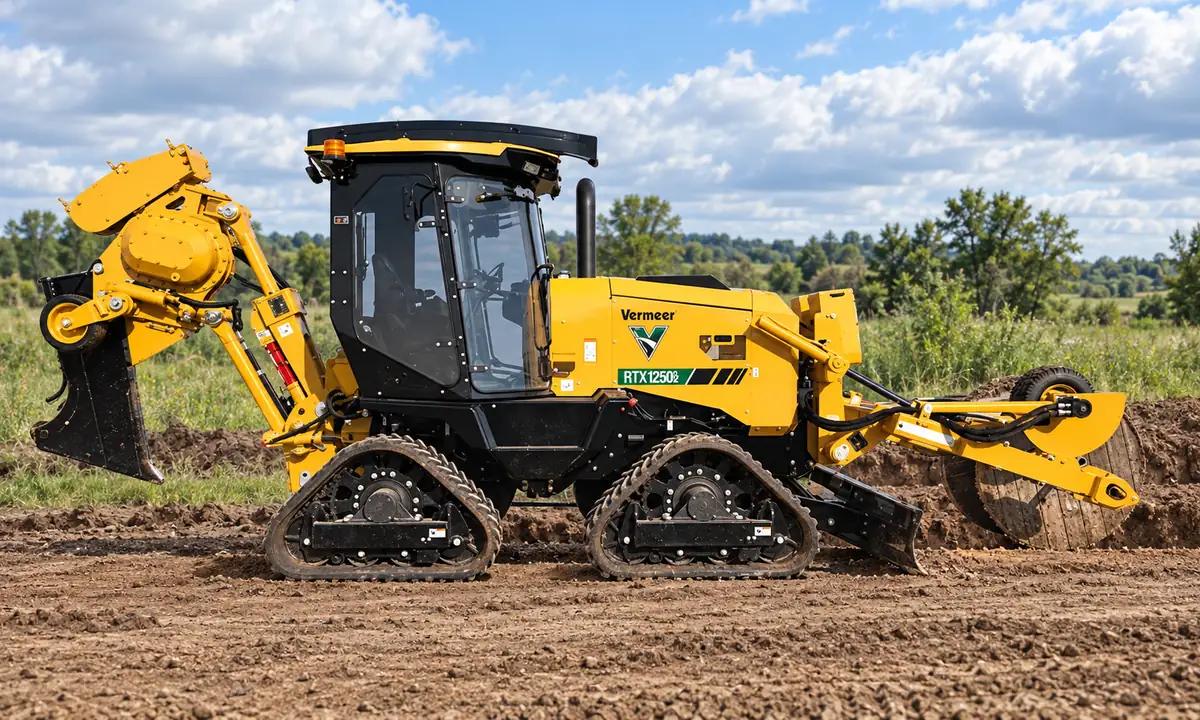
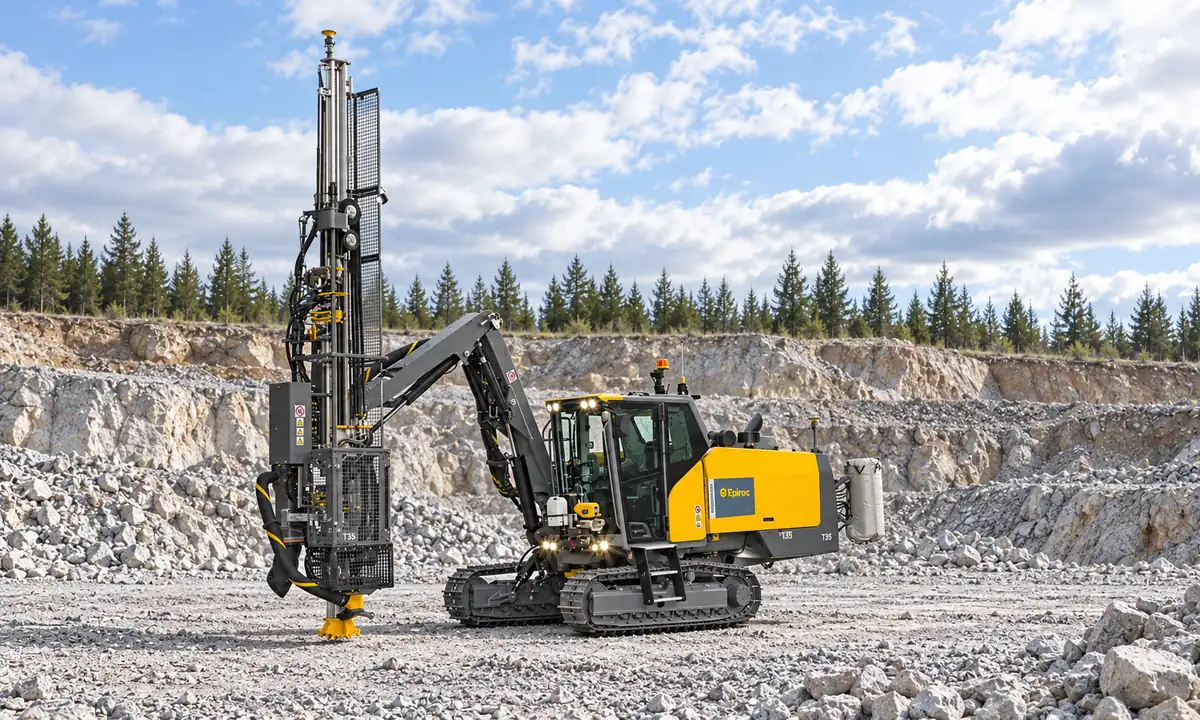
Open-cut trenchers, vertical foundation or production drills, auger-boring machines and separate fluid-support equipment.
Prepare a useful comparison
Dimensions and configuration to check
Transport length, width and height
Setup footprint
Entry-angle range
Rod length and diameter
Carriage travel
Compare the same configuration, including attachments, folded parts, counterweights and stabilizers. Transport dimensions can differ substantially from the working setup.
Before comparing used machines
Review rod and spindle wear, vise operation, carriage and anchor condition. Record locator and fluid-system identity separately from the drill.
Manufacturer references
Product-family references for this guide; individual model measurements require their own documentation.

 Utilities and Drilling
 Utilities and Drilling