


Access and Material Handling · Equipment guide

Rough-Terrain Forklifts in Canada

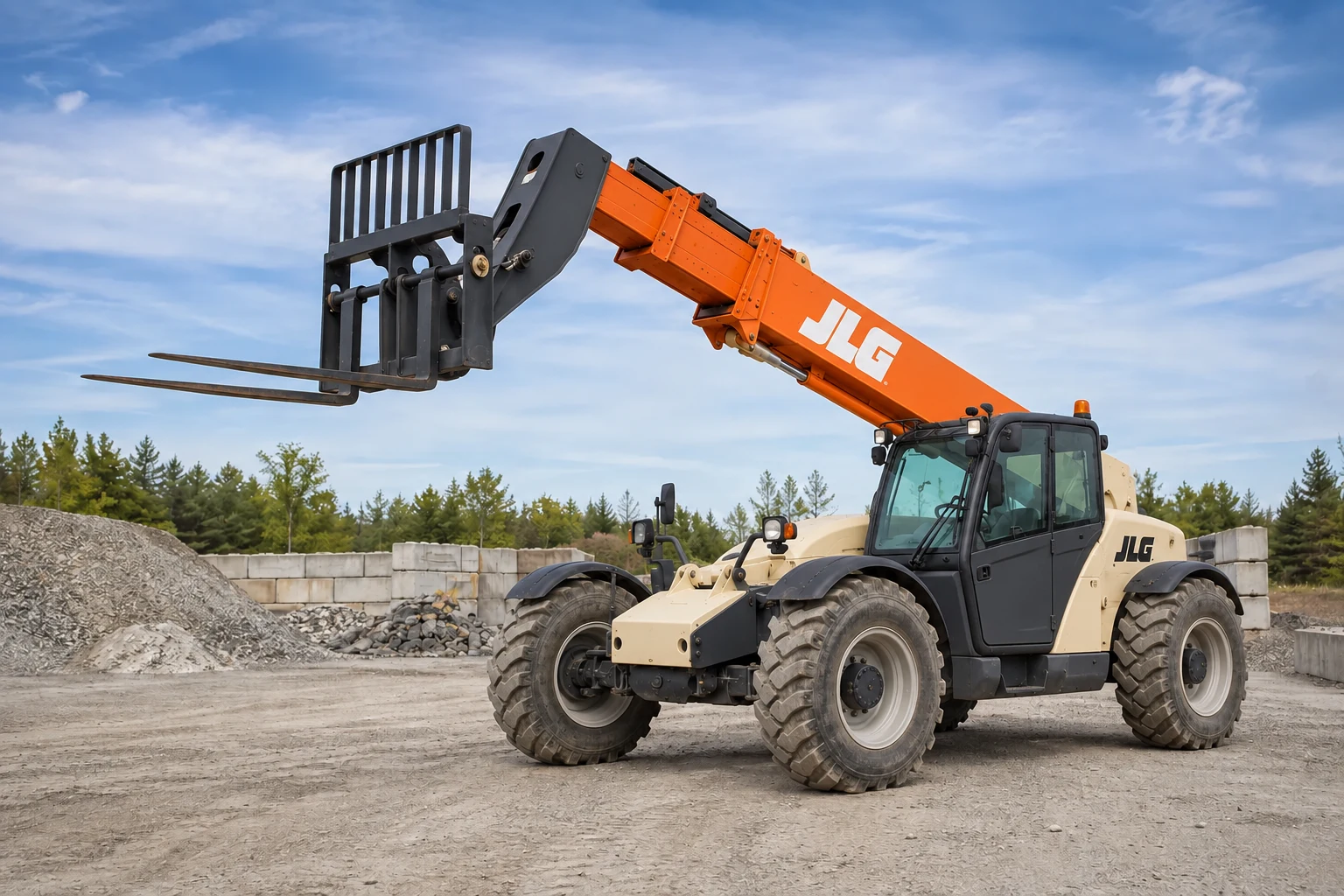
Rough-terrain forklifts use a mast for lifting loads on uneven ground. A telescopic boom instead points to a telehandler or a separately reviewed industrial telescopic forklift.

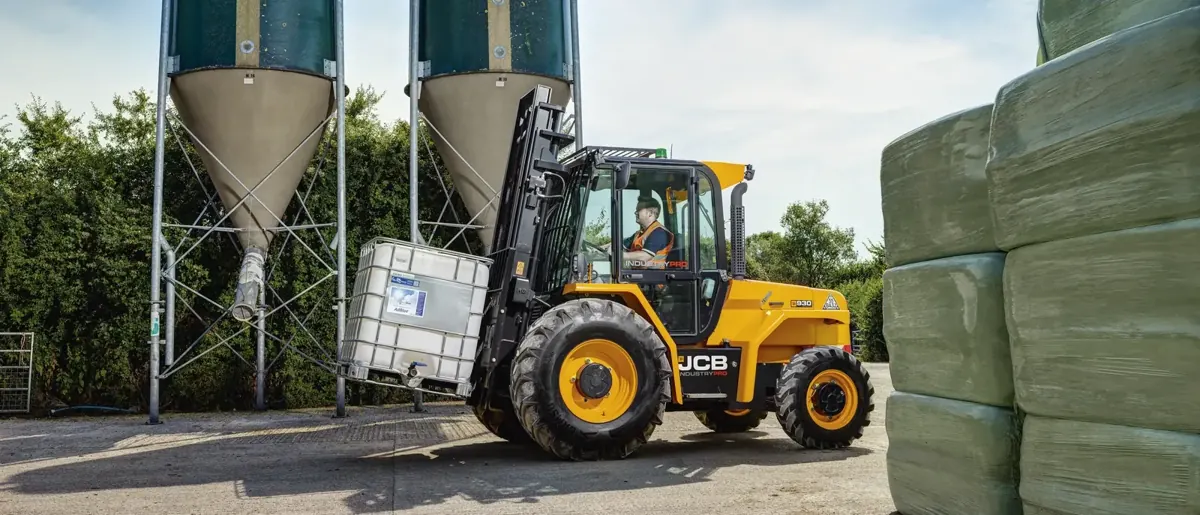
JCB 930 Industry Pro manufacturer reference photograph; regional configuration illustrated

Model specifications

Browse rough-terrain forklift models

4 models · 3 manufacturers

Search all equipment specs

1–4 of 4 models

Rough-terrain Forklifts
Listed on manufacturer product page

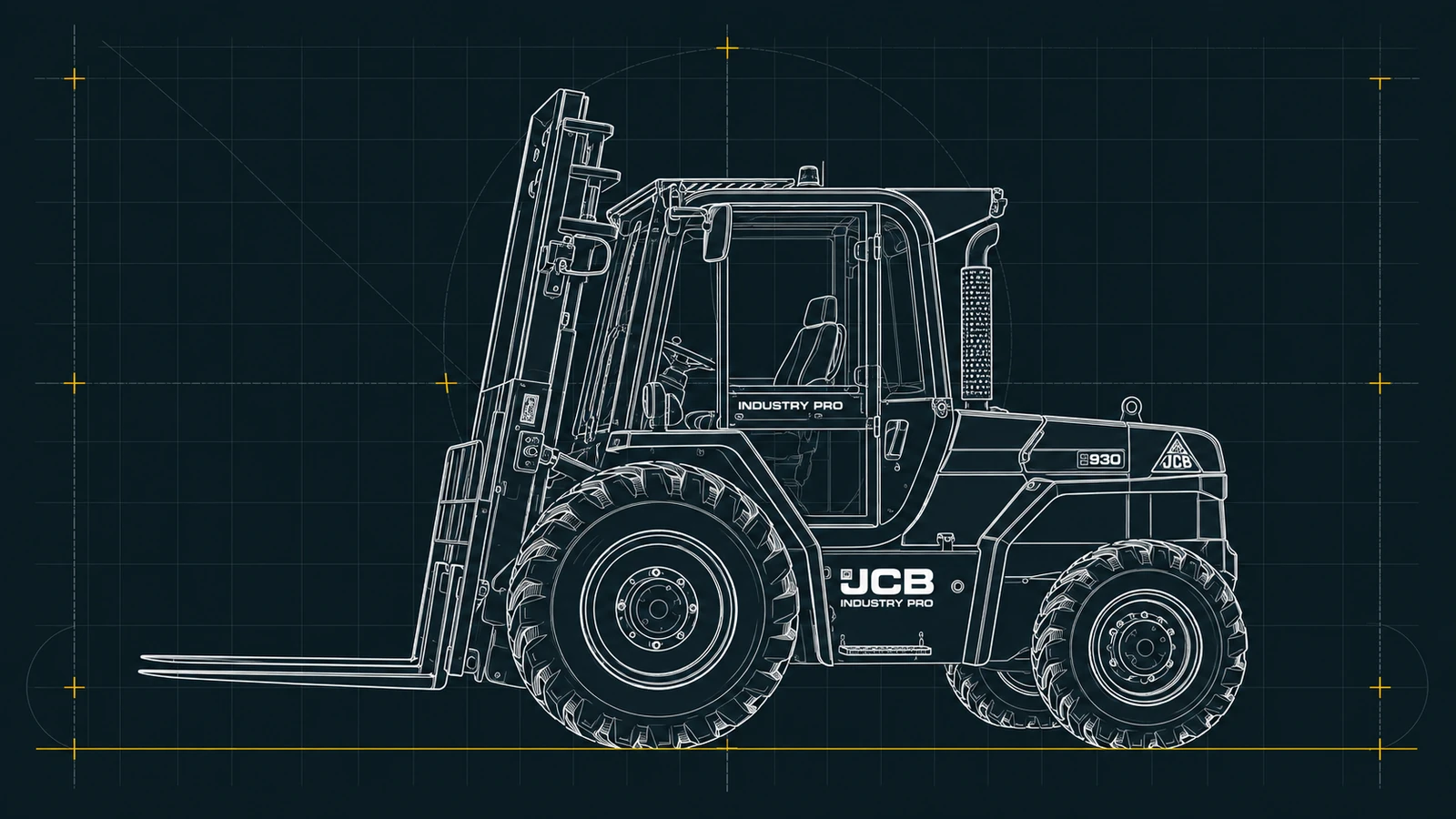
JCB 930 Rough-terrain Forklift
JCB 930 Rough-terrain Forklift

930 EcoMAX 74 hp; 15 ft two-stage free-lift mast reference · North American manufacturer reference

Lift Capacity
6,000 lb2,721.6 kg
Maximum Fork Height
15 ft4,572 mm
Load Center
2 ft609.6 mm
View specifications
Rough-Terrain Forklift
Production status not confirmed

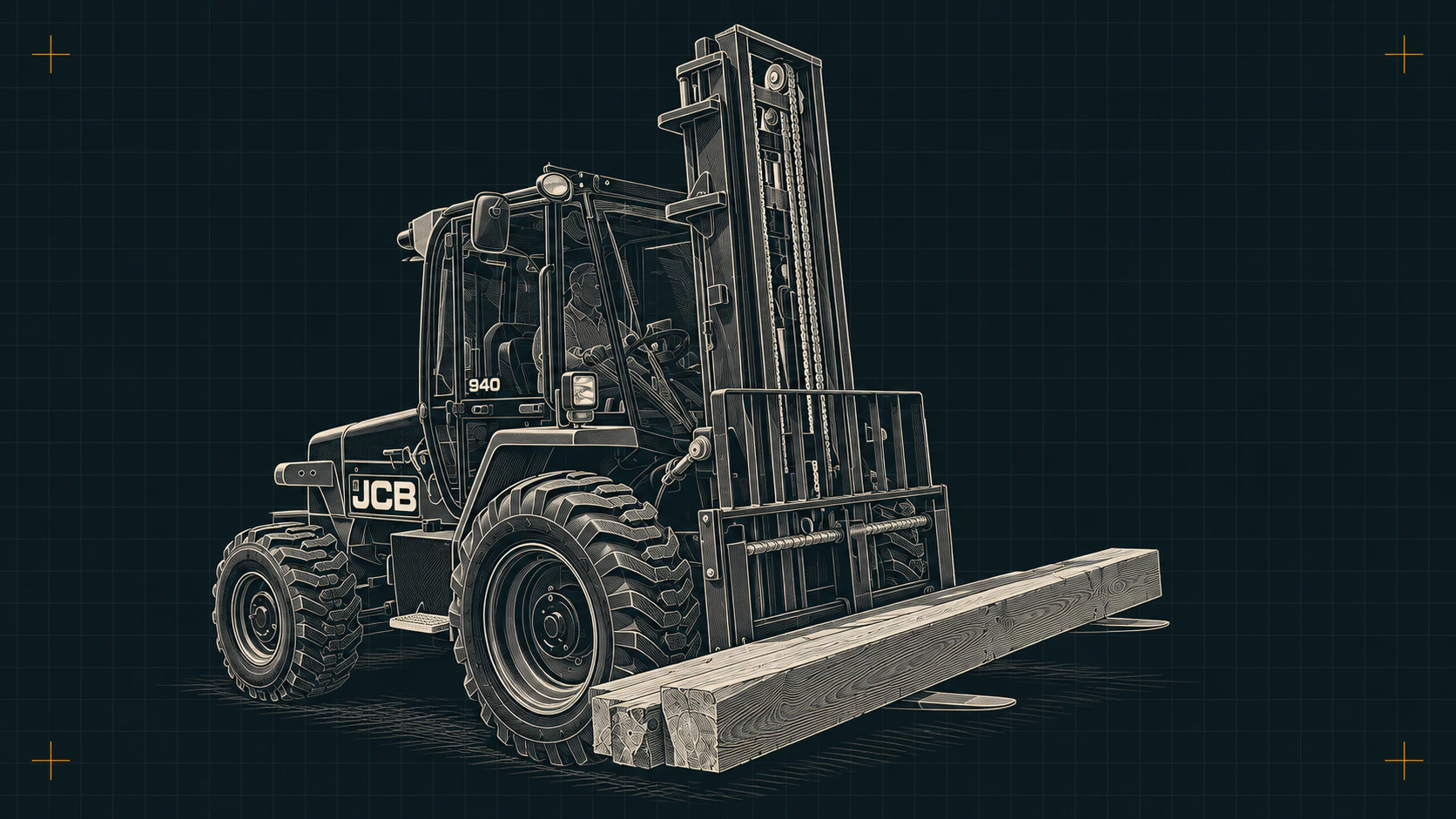
JCB 940 Rough-Terrain Forklift

JCB 940 Rough-Terrain Forklift

940 current North American product reference, 74 hp EcoMax · Manufacturer North American reference

Lift capacity
8,000 lb3,628.7 kg
Maximum lift height — mast options
15 ft–22 ft4.572–6.706 m
View specifications
Rough-Terrain Forklift
Production status not confirmed

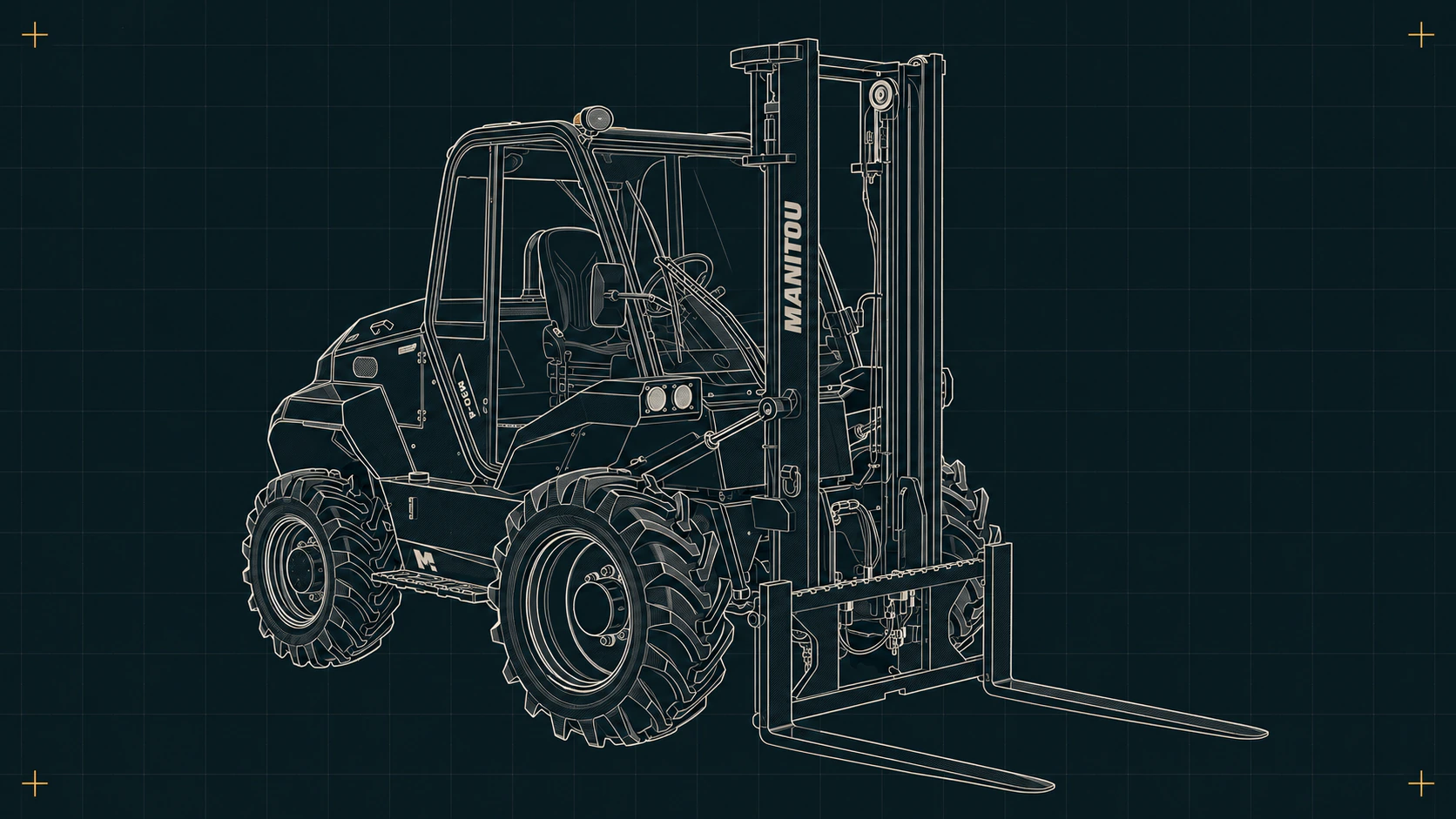
Manitou M 30-4 Rough-Terrain Forklift

Manitou M 30-4 Rough-Terrain Forklift

M 30-4 US technical sheet, FLT43 mast configuration · Manufacturer North American reference

Lifting height — FLT43
14 ft 1.3 in4,300.2 mm
Wheelbase
6 ft 7 in2,006.6 mm
Length to face of forks
11 ft 6 in3,505.2 mm
View specifications
Rough-Terrain Forklift
Production status not confirmed

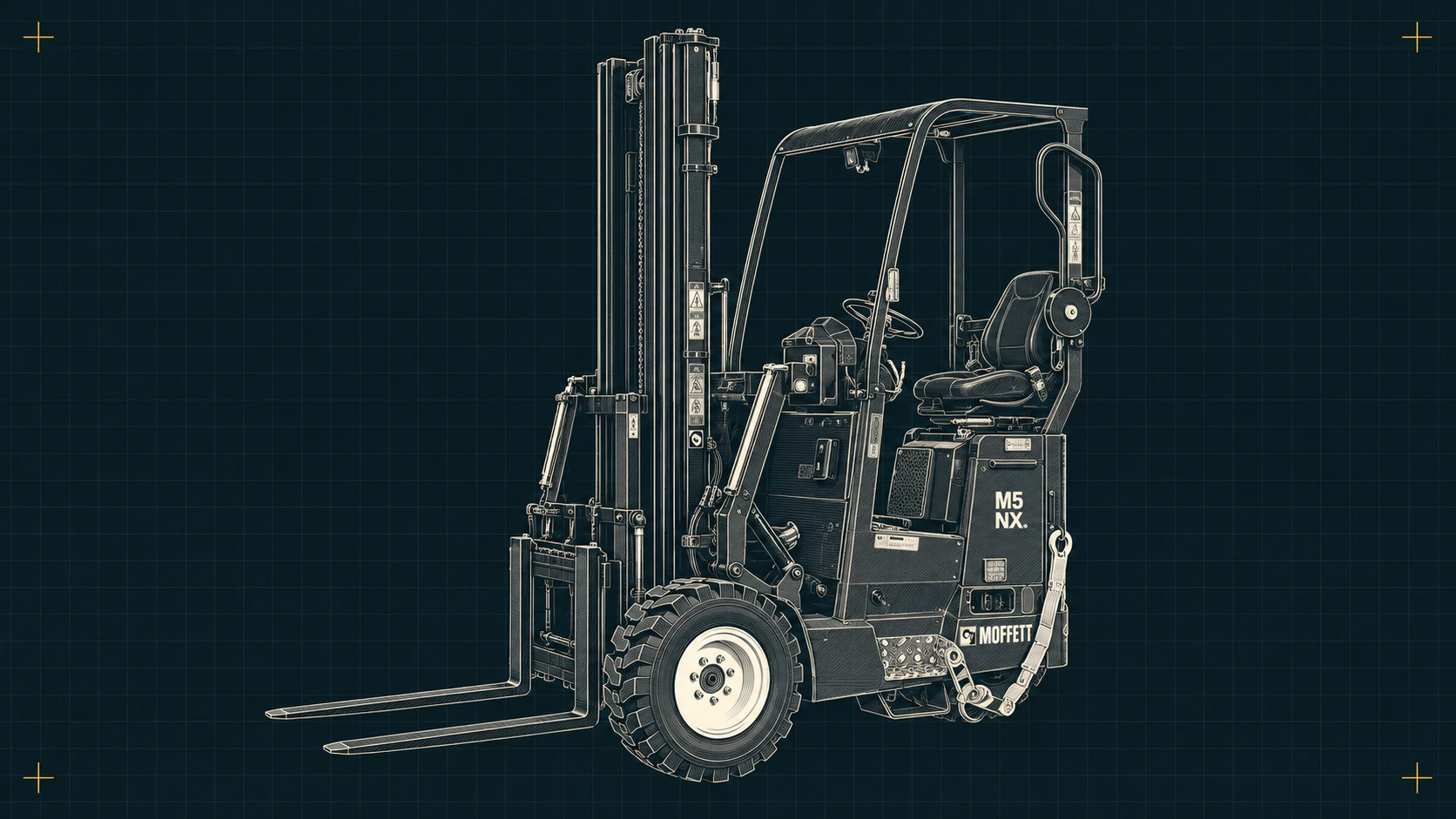
MOFFETT M5 NX 25.3 Rough-Terrain Forklift

MOFFETT M5 NX 25.3 Rough-Terrain Forklift

M5 NX EU manufacturer brochure PB-M5NX-EN-EU_200319, 25.3 column · EU Stage V manufacturer brochure

Lifting capacity
5,511.6 lb2,500 kg
Lift height
9 ft 10.1 in3,000 mm
Load centre
1 ft 11.6 in600 mm
View specifications

Choosing rough-terrain forklifts for the job

Build your shortlist

Match the load and delivery setting

Record load weight, load centre, fork length and the actual access route. A conventional rough-terrain forklift and a truck-mounted mast forklift need different transport and deployment planning. Keep mast arrangement and tire configuration with the capacity information.

Questions that shape the equipment choice
Job requirementWhat to compareEvidence to obtain
Handling taskLoad geometry and mastUse the applicable machine and fork capacity information
Delivery methodIndependent or truck-mounted machineConfirm the complete mounting and transport package
ConditionMast, forks, carriage and tiresObtain a qualified inspection before purchase

Choose the machine architecture

Rough-Terrain Forklifts: subcategories

Configurations to check: Mast stages · Drive and steering · Forks · Load centre

Where this category begins and ends

Belongs here

Dedicated rough-terrain mast forklifts, classified by self-contained or truck-mounted design.

Belongs elsewhere

Telehandlers, industrial telescopic forklifts, warehouse forklifts and loaders fitted with forks.

Prepare a useful comparison

Dimensions and configuration to check

  • Length to fork face and length with forks separately
  • Width
  • Mast-lowered height
  • Maximum fork height
  • Free lift
  • Ground clearance

Compare the same configuration, including attachments, folded parts, counterweights and stabilizers. Transport dimensions can differ substantially from the working setup.

Before comparing used machines

Inspect mast rails, lift chains, forks and carriage. Retain the load centre and mast configuration with the capacity rating.

Manufacturer references

Product-family references for this guide; individual model measurements require their own documentation.