Begin with the road and loading system, then examine the documented body, drive and braking arrangements. A quarry truck and a large mining truck belong to the same broad family but can impose very different support and transport requirements.
Questions that shape the equipment choice
Job requirement
What to compare
Evidence to obtain
Duty cycle
Payload, gradients and travel pattern
Use the manufacturer application review for the actual route
Body package
Material, liner and loading height
Compare body-equipped records with the same material basis
Support
Tires, braking and drive architecture
Request service capability and itemized condition assessments
Electric traction motors drive the wheels; record the energy source separately.
0 researched models
Bare haul chassis
Incomplete rigid haul chassis awaiting a body; completed specialist vehicles need their own classification review.
0 researched models
Configurations to check: Payload class · Quarry or mining application · Body and liners · Energy source
Where this category begins and ends
Belongs here
Rigid-frame off-highway haul trucks, including mining trucks; chassis-only records require an explicit incomplete-vehicle basis.
Belongs elsewhere
Articulated trucks, underground articulated haulers, highway dump trucks and purpose-built water trucks.
Prepare a useful comparison
Dimensions and configuration to check
Body-down length, width and height
Raised-body height
Loading height
Wheelbase
Turning diameter
Compare the same configuration, including attachments, folded parts, counterweights and stabilizers. Transport dimensions can differ substantially from the working setup.
Before comparing used machines
Review frame and body fatigue, hoist cylinders, brake and retarder records, tires, and mechanical or electric drive service history.
Manufacturer references
Product-family references for this guide; individual model measurements require their own documentation.

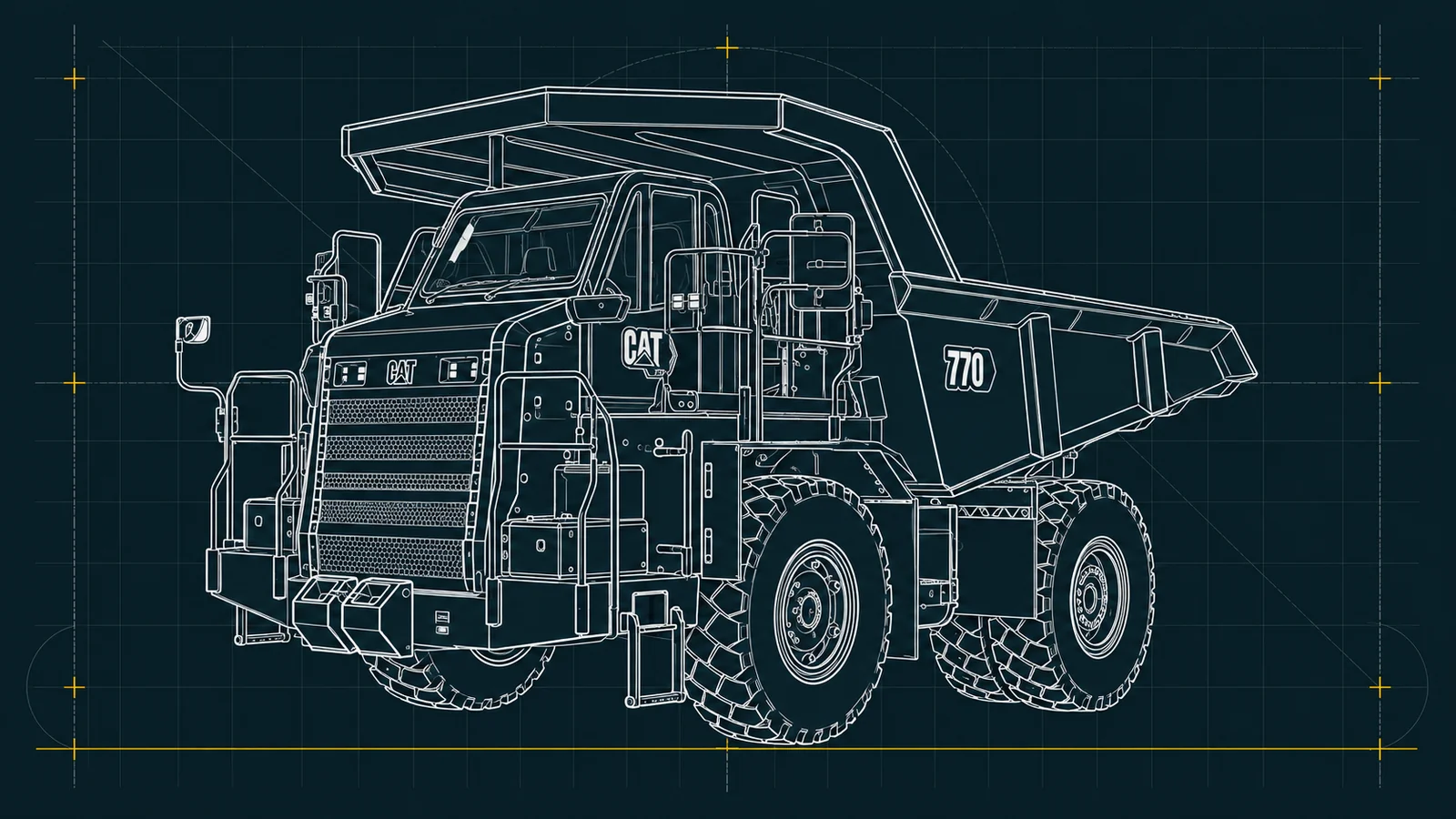
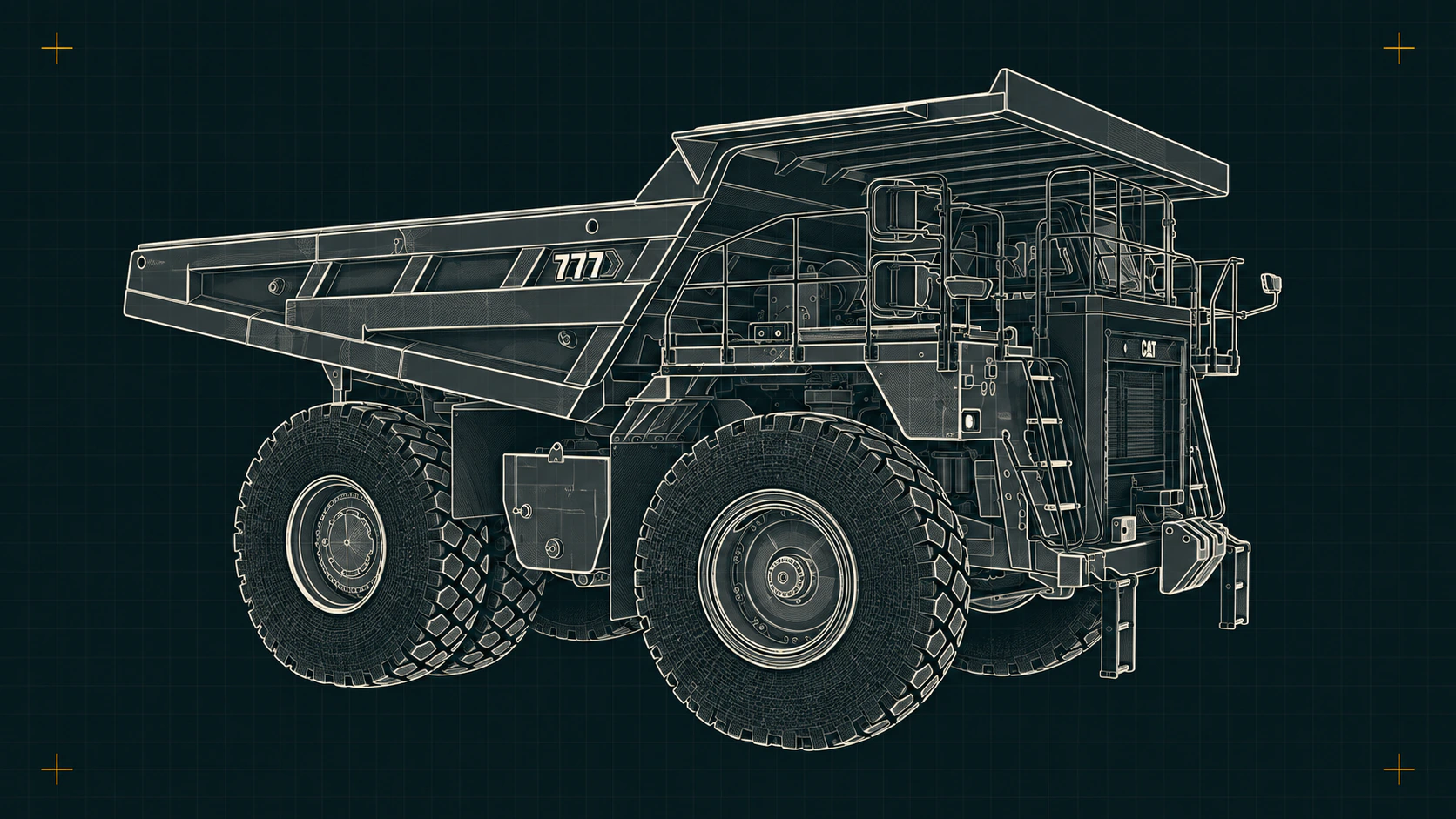
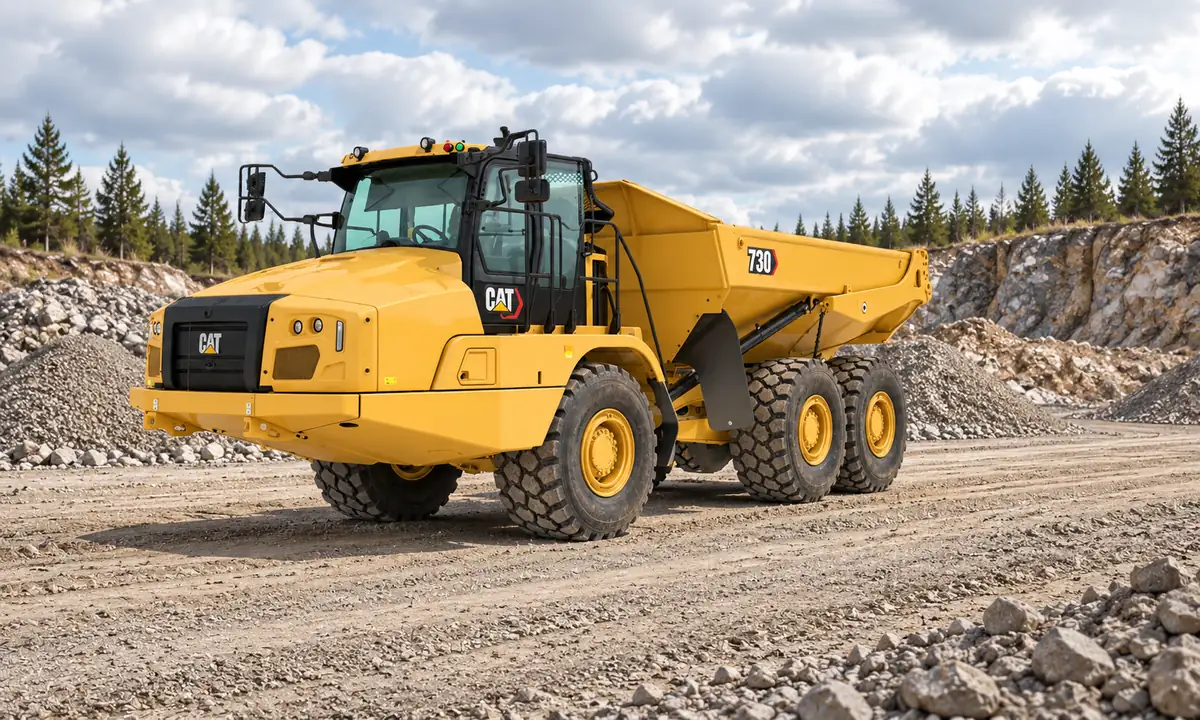 Hauling
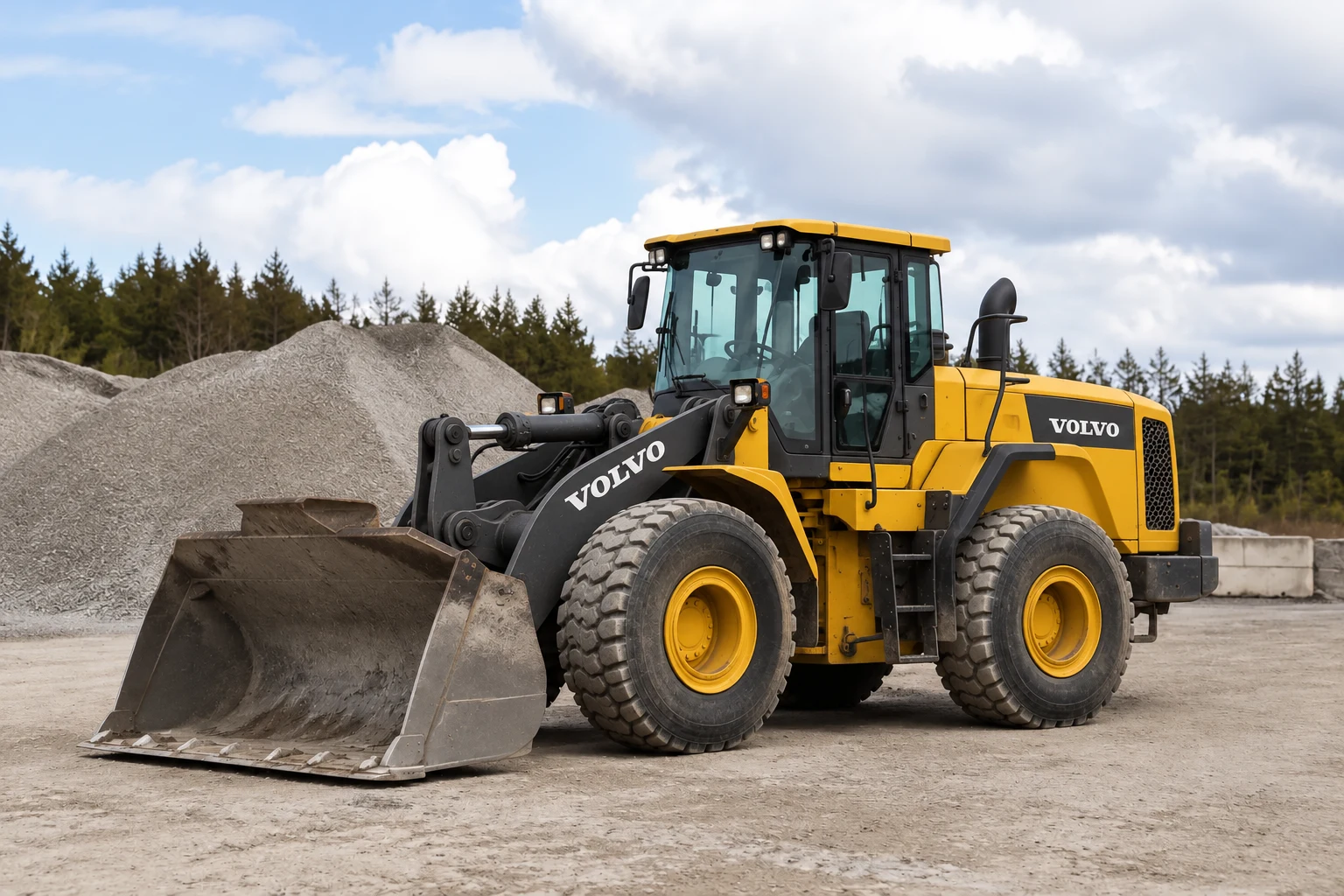 Earthmoving