Identify the exact boom, hook system, counterweight and support arrangement before comparing machines. Transport dimensions describe a different setup from a pipe-handling operation. Selection requires the applicable capacity information and a qualified lift plan.
Questions that shape the equipment choice
Job requirement
What to compare
Evidence to obtain
Lift arrangement
Boom, counterweight and hook equipment
Obtain the exact applicable capacity documents
Working position
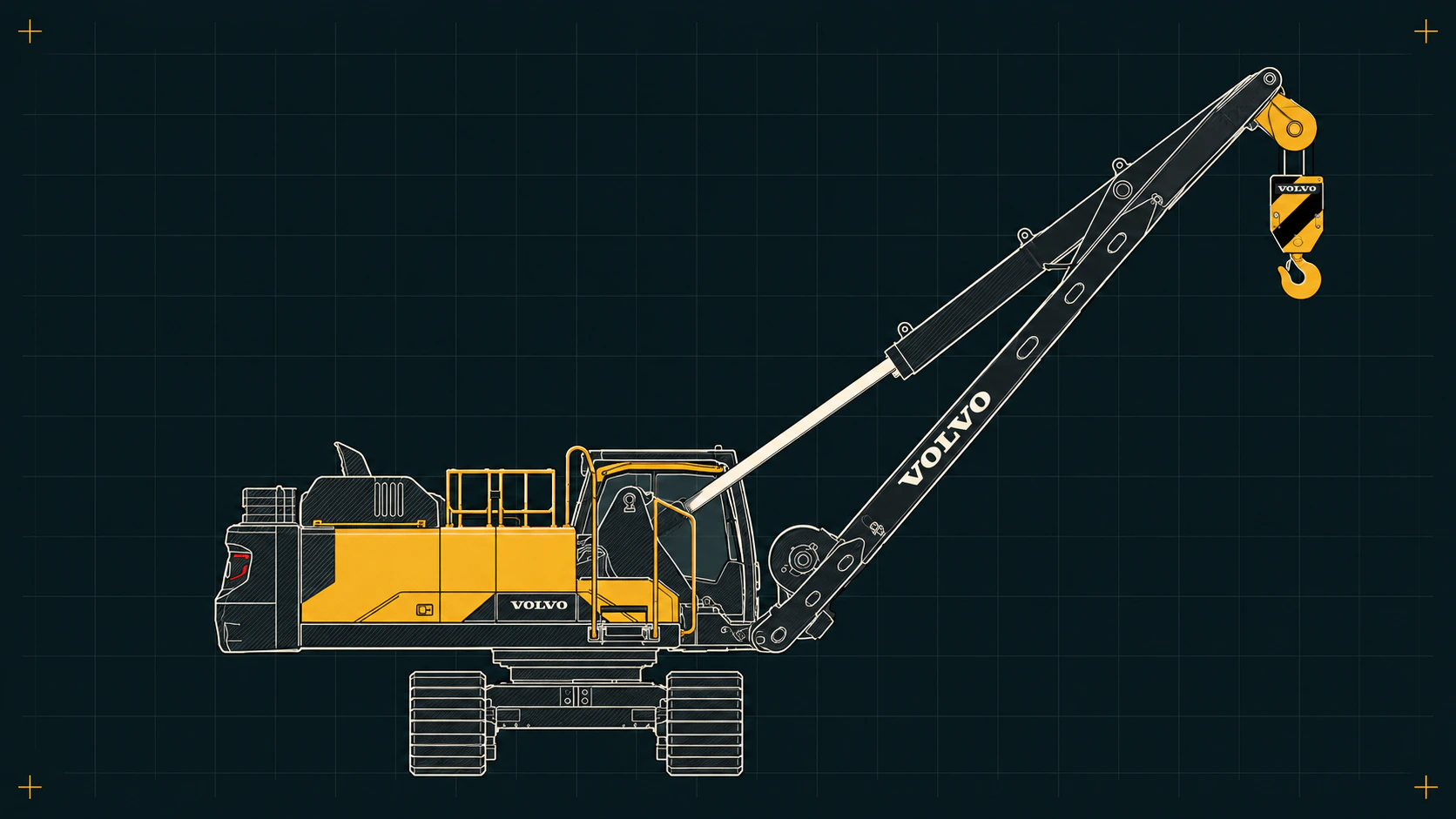
Fixed or rotating architecture
Review the support and operating envelope
Mobilization
Assembled and separately carried components
Obtain a transport configuration and component list
Choose the machine architecture
Pipelayers: subcategories
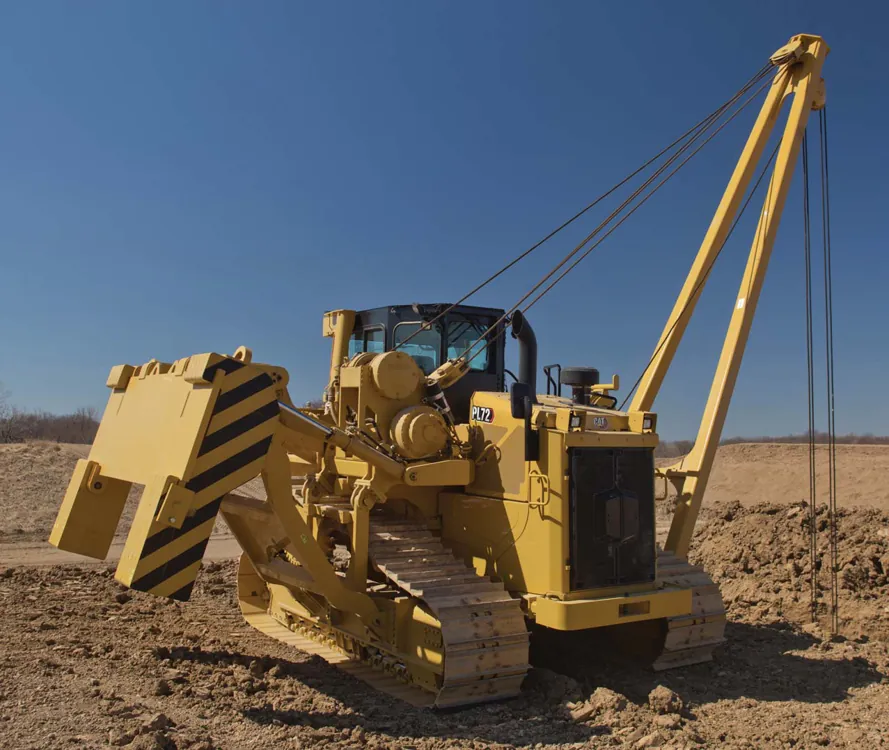
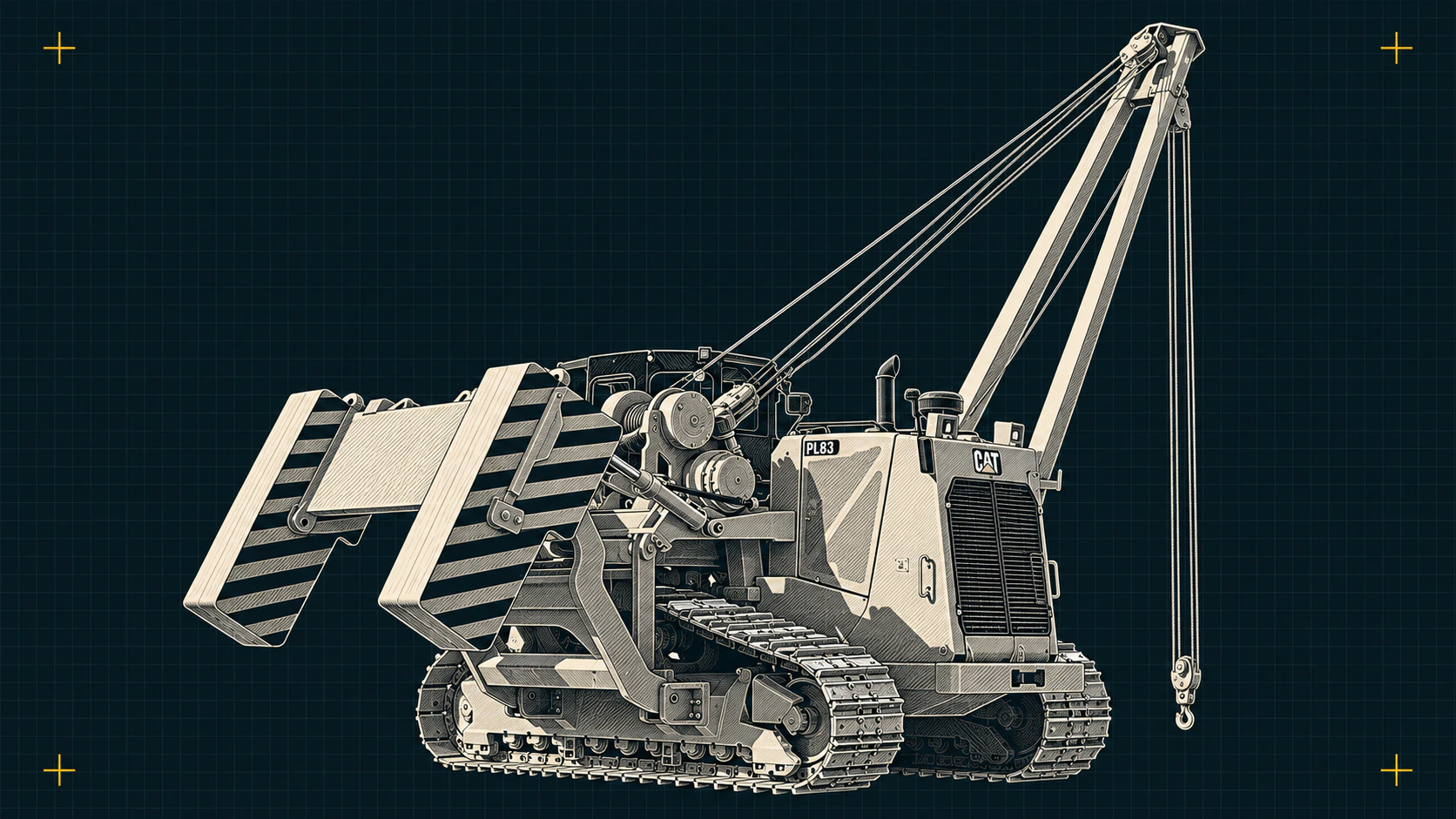
Sideboom pipelayers
Fixed side-mounted boom arrangement on a dedicated pipelayer.
Configurations to check: Boom length · Counterweight · Track shoes · Winch and hook blocks
Where this category begins and ends
Belongs here
Manufacturer-designated pipelayers, with fixed sideboom or rotating lifting architecture.
Belongs elsewhere
Ordinary cranes or excavators temporarily lifting pipe, and attachment-only sideboom kits without a documented completed-machine record.
Prepare a useful comparison
Dimensions and configuration to check
Transport dimensions with removal list
Boom length
Operating width with counterweight extended
Hook height
Load radius
Compare the same configuration, including attachments, folded parts, counterweights and stabilizers. Transport dimensions can differ substantially from the working setup.
Before comparing used machines
Match lifting documentation to the serial and installed boom, blocks and counterweight; inspect rope, winches and structural history.
Manufacturer references
Product-family references for this guide; individual model measurements require their own documentation.

 Construction Equipment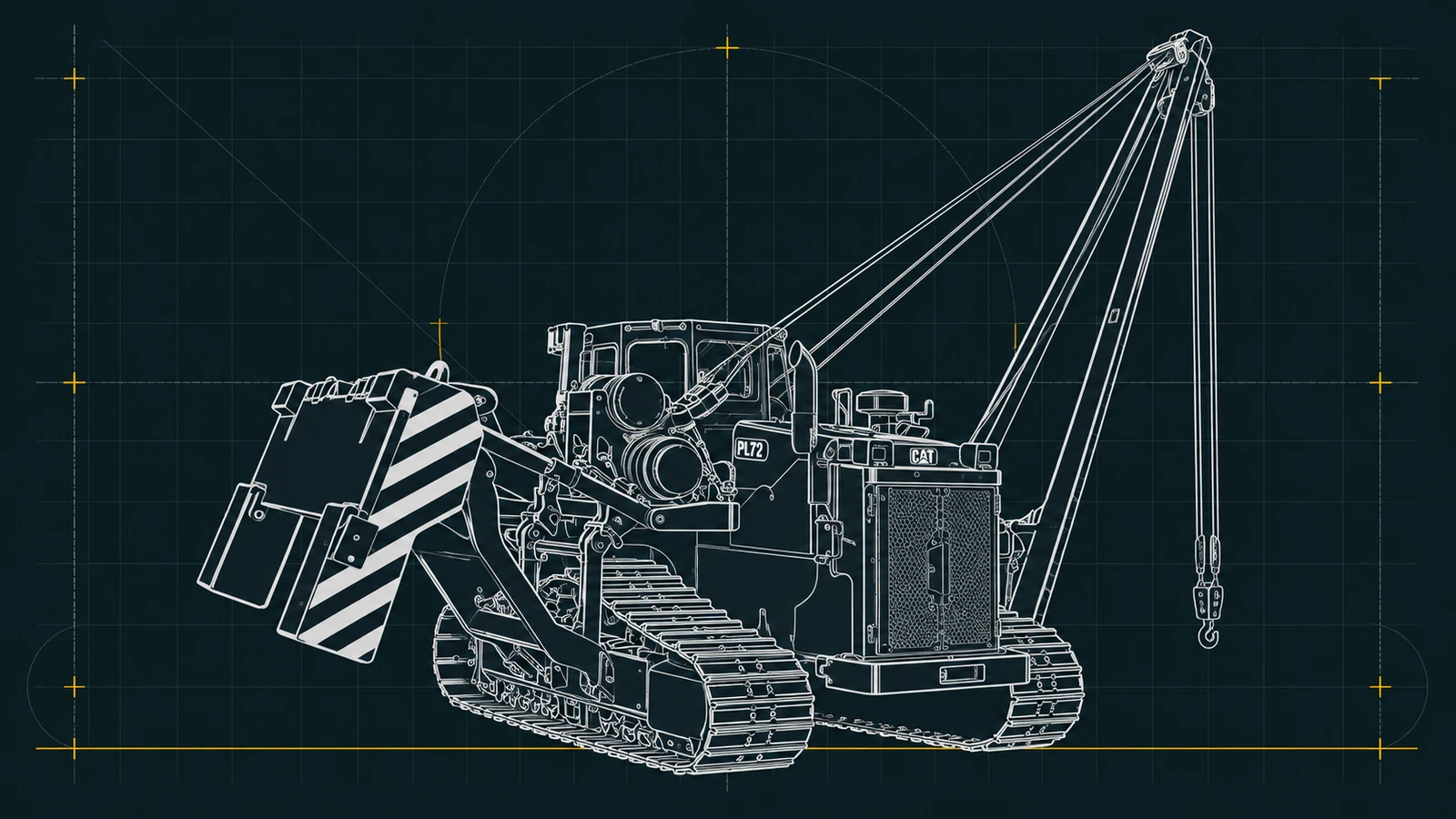
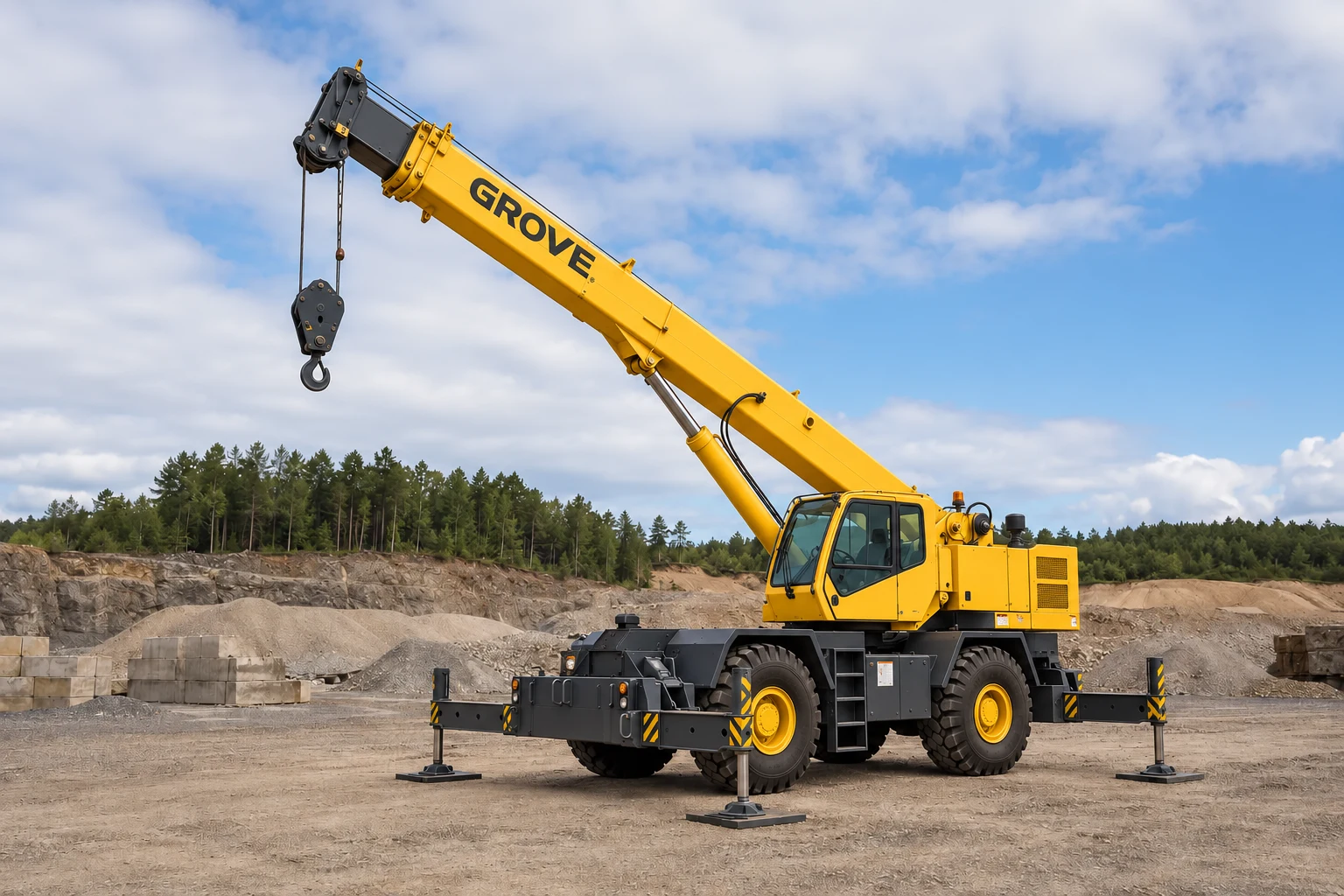 Material Handling & Lifting
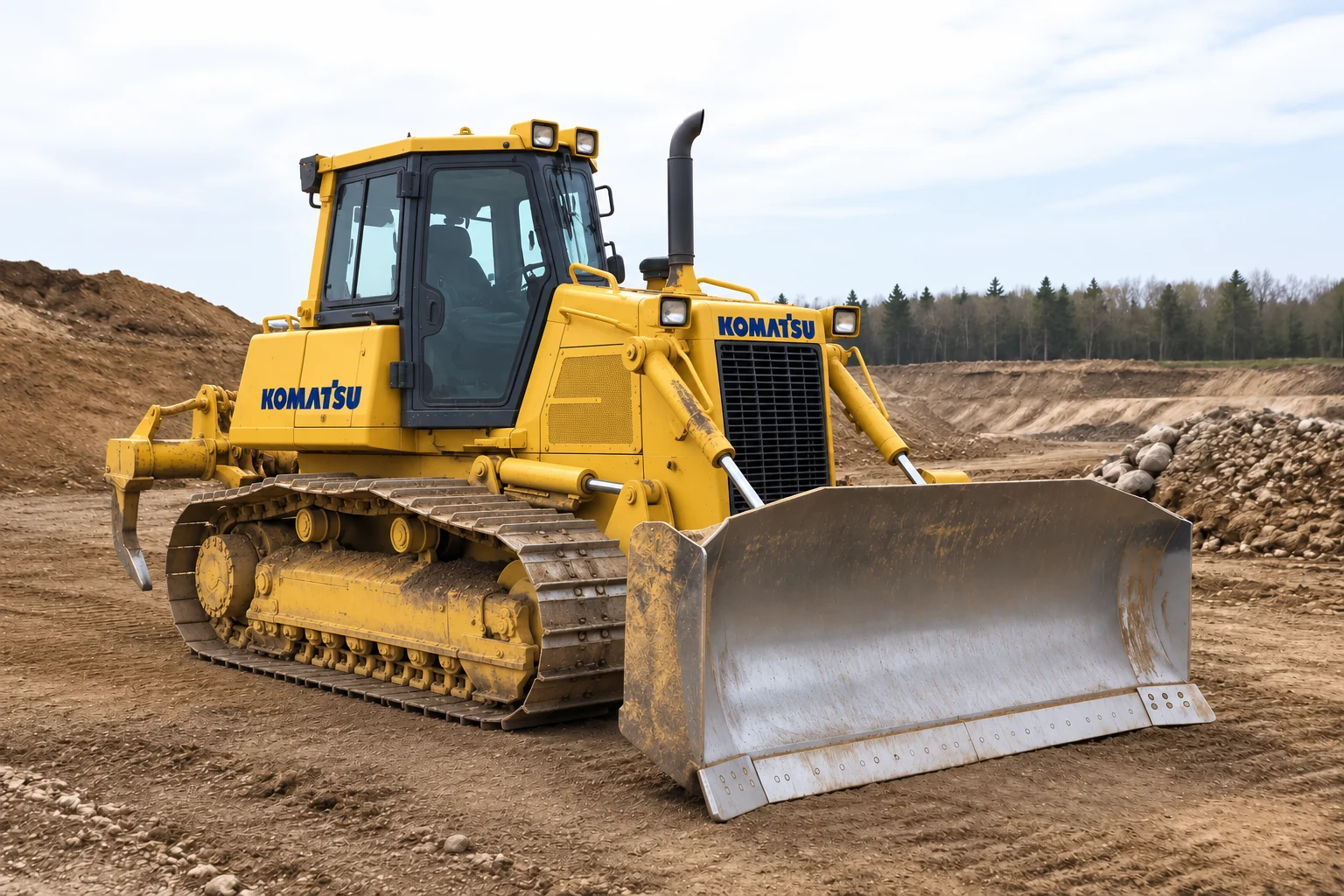 Earthmoving