Describe how much time the loader will spend digging, pushing, carrying and loading. The bucket, track package and application guarding change the useful machine. Check the complete work-tool arrangement before comparing capacity or transport size.
Questions that shape the equipment choice
Job requirement
What to compare
Evidence to obtain
Material task
Bucket duty and linkage
Obtain the bucket and carrier application match
Ground and access
Track package and turning room
Measure the intended transport and operating configuration
Used condition
Tracks, loader frame and pivots
Compare measured wear and repair quotations
Choose the machine architecture
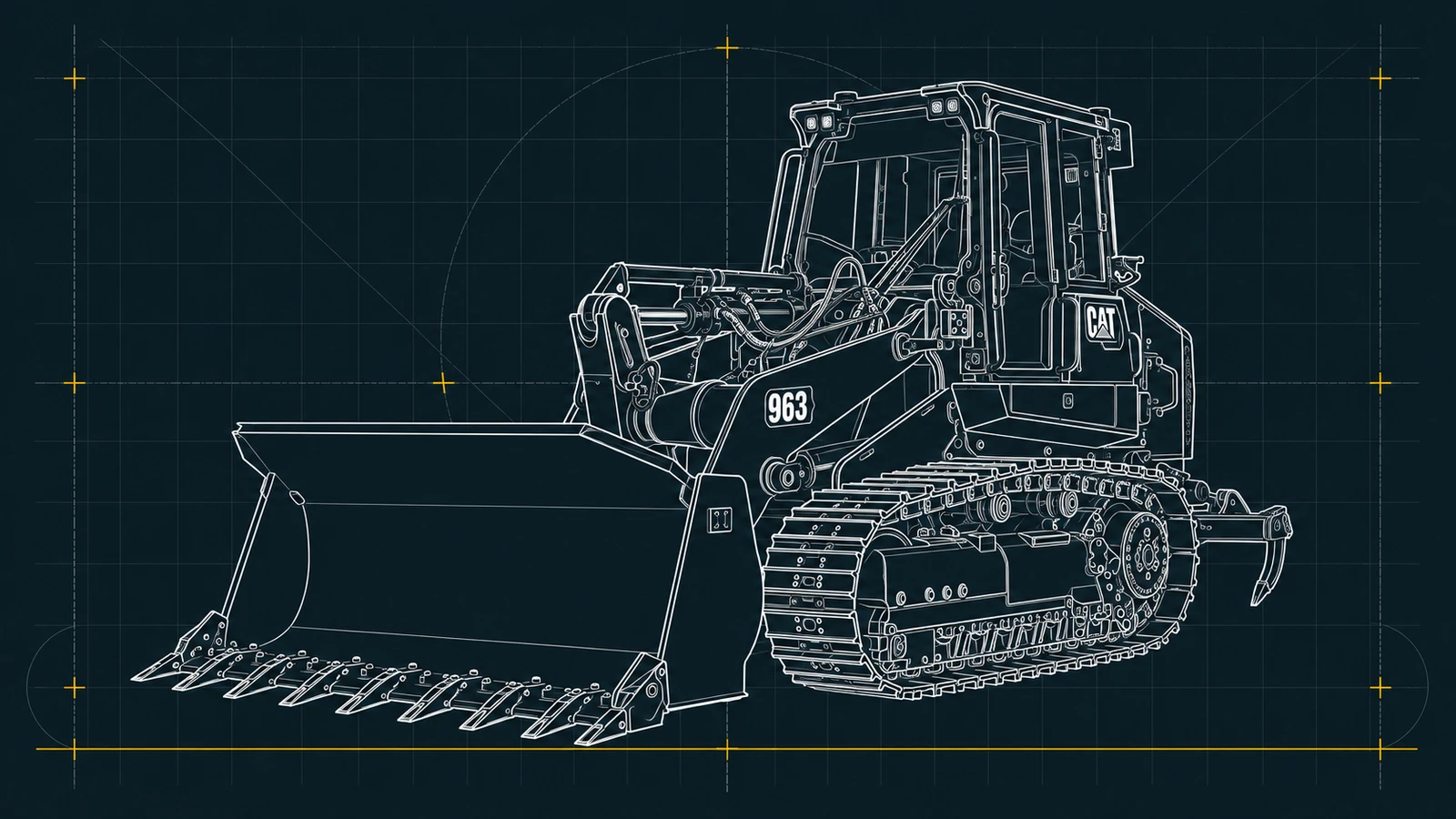
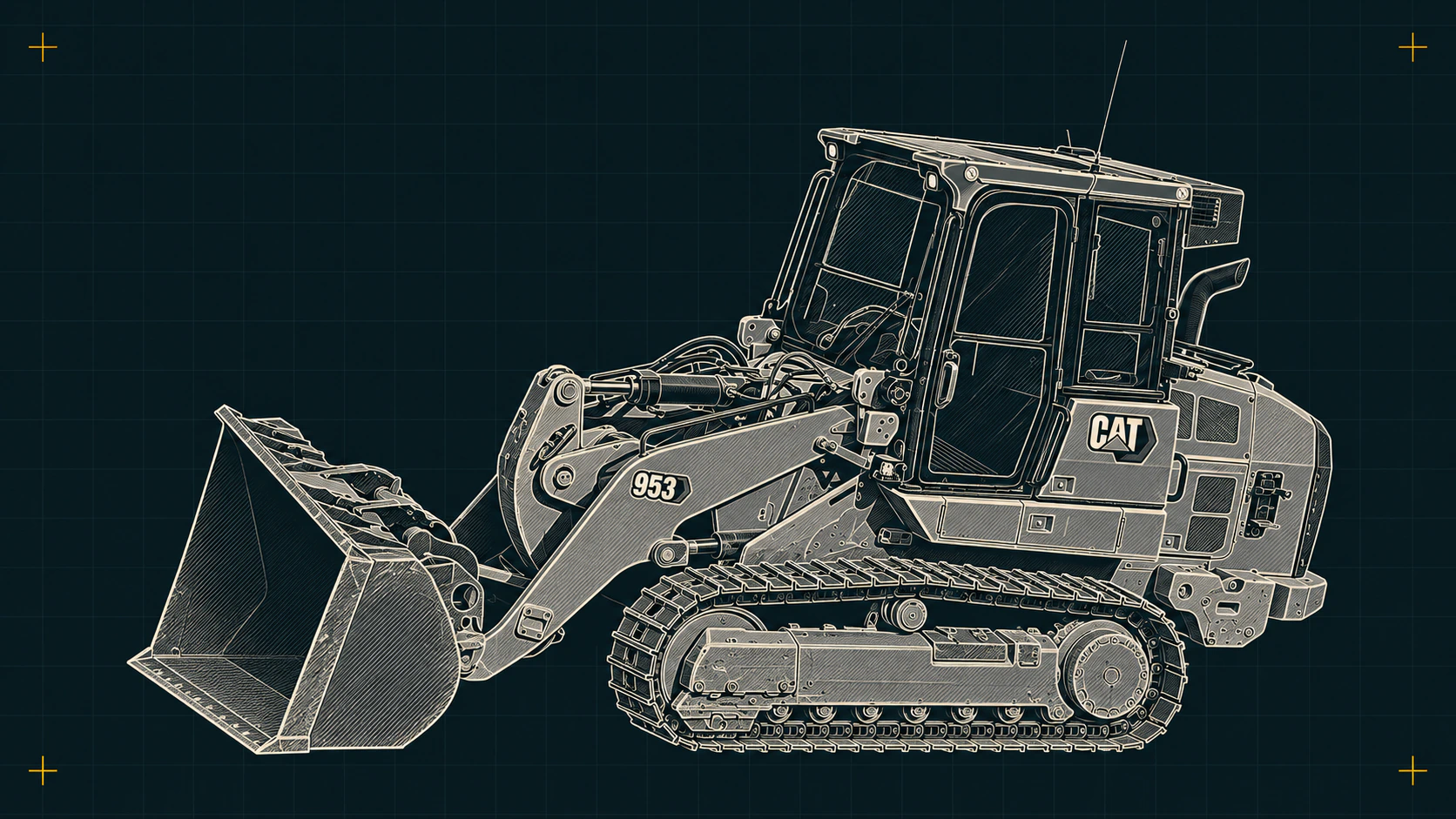
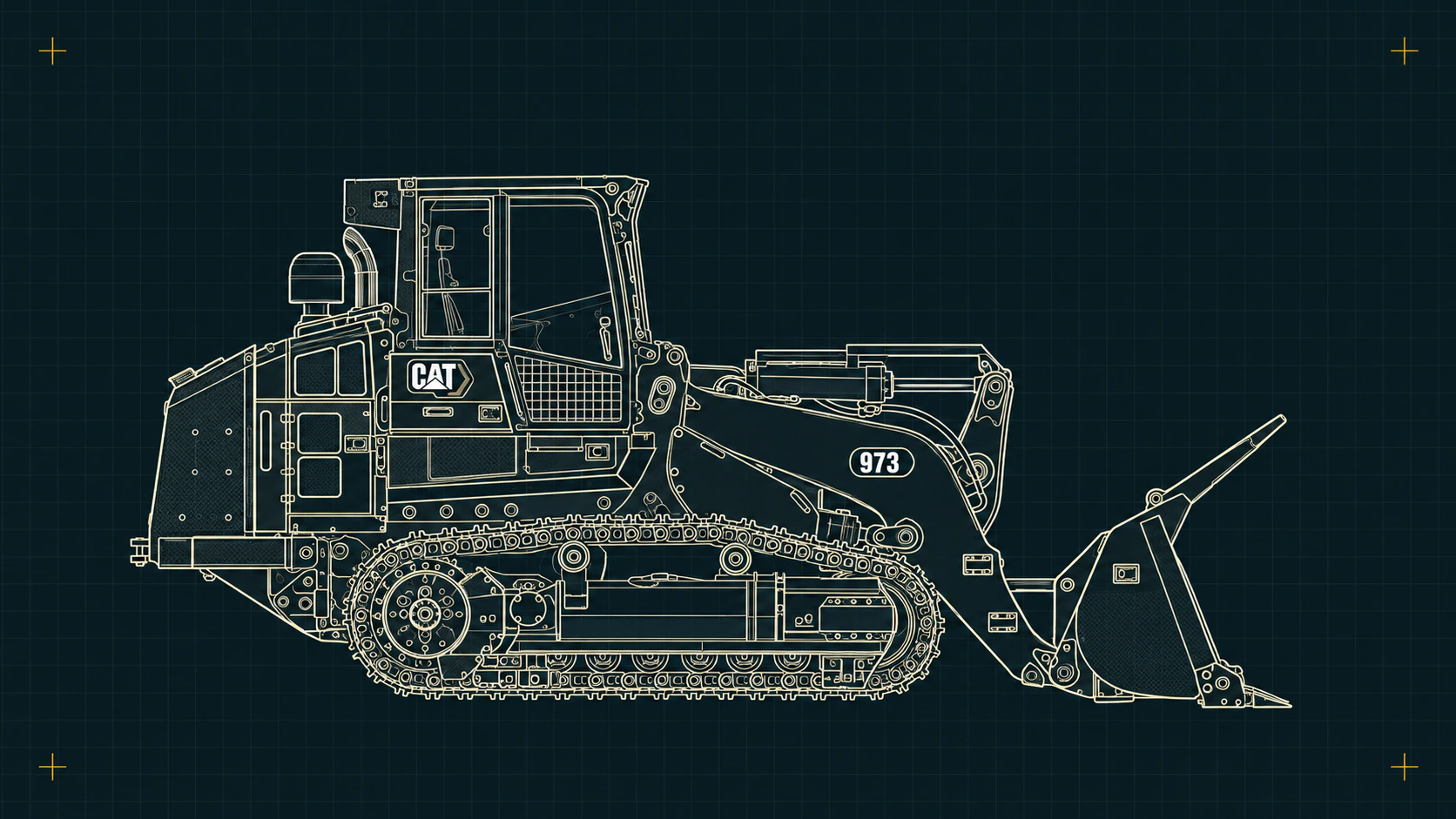
Crawler Loaders: subcategories
General-purpose crawler loaders
Track-loader family without a manufacturer-designated specialist build.
Configurations to check: Bucket and coupler · Track shoes · Low-ground-pressure option · Waste or industrial package
Where this category begins and ends
Belongs here
Dedicated full-size track-loader families, including their waste, low-ground-pressure and industrial configurations.
Belongs elsewhere
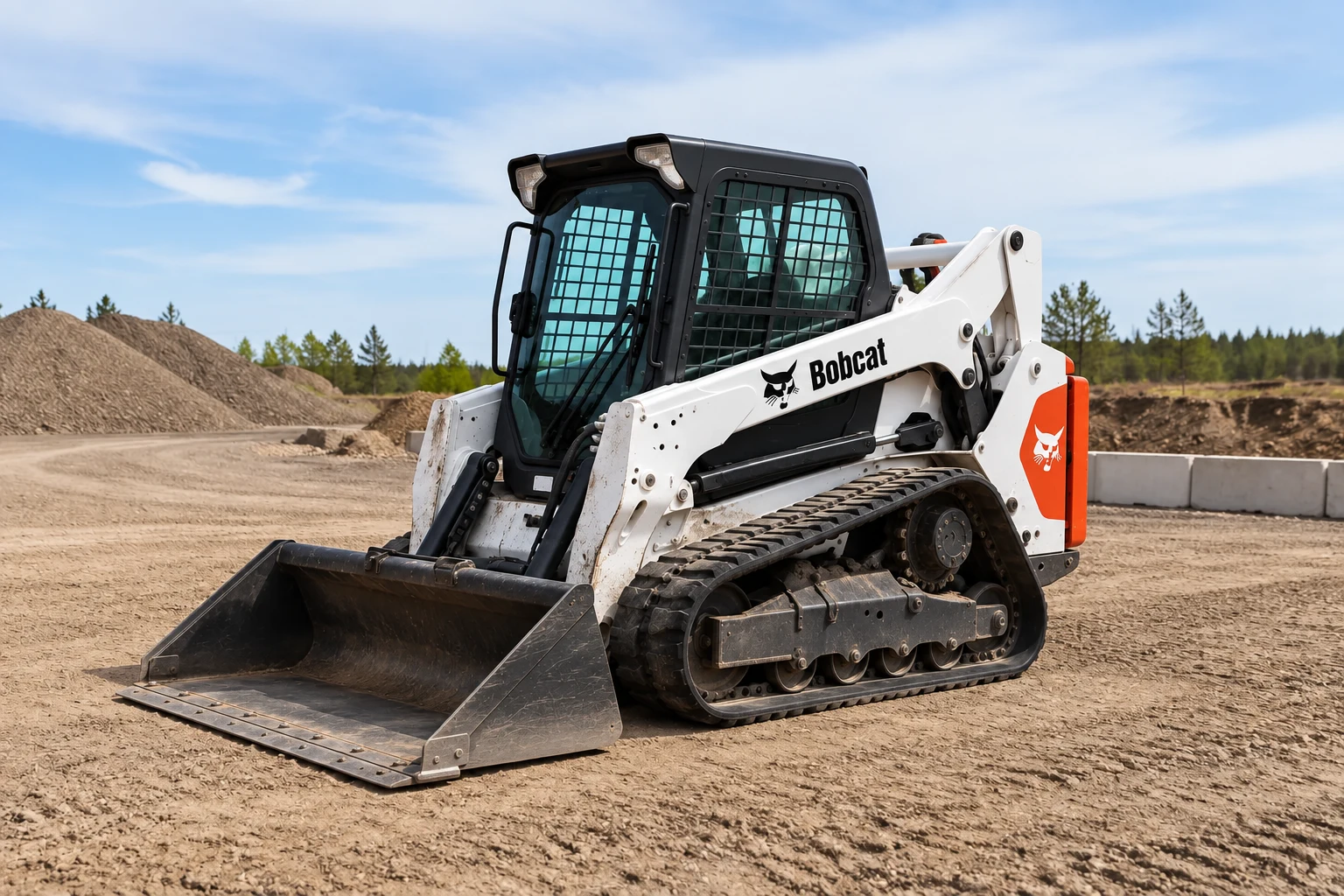
Compact track loaders, dozers fitted with blades and tracked payload carriers. No invented weight cutoff separates these families.
Prepare a useful comparison
Dimensions and configuration to check
Length with bucket on ground
Width over shoes and bucket separately
Cab height
Hinge-pin height
Dump clearance and reach
Ground clearance
Compare the same configuration, including attachments, folded parts, counterweights and stabilizers. Transport dimensions can differ substantially from the working setup.
Before comparing used machines
Measure the complete undercarriage and loader linkage. Identify heat or waste guarding, bucket type and counterweights before applying operating-weight data.
Manufacturer references
Product-family references for this guide; individual model measurements require their own documentation.

 Compact Equipment
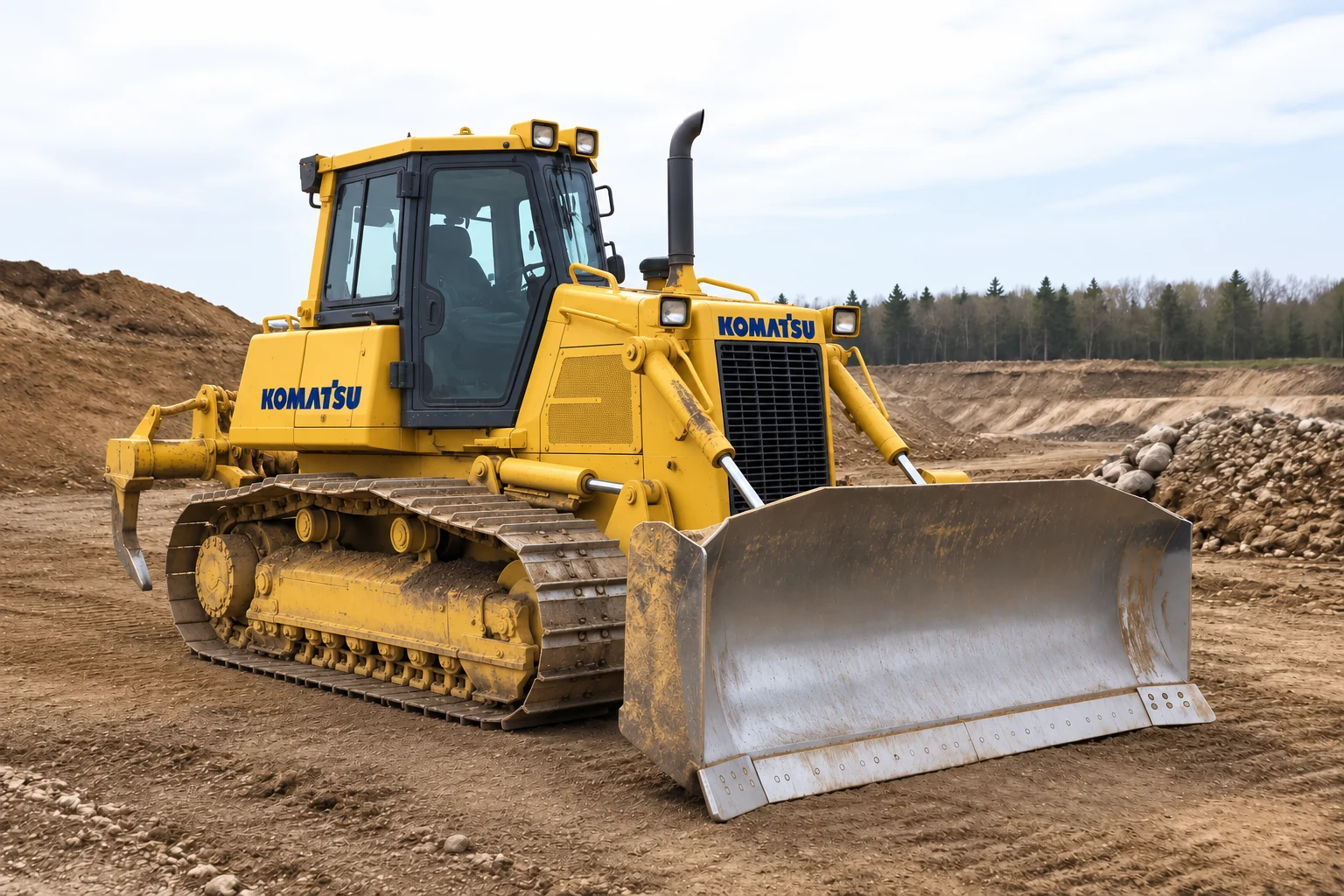 Earthmoving
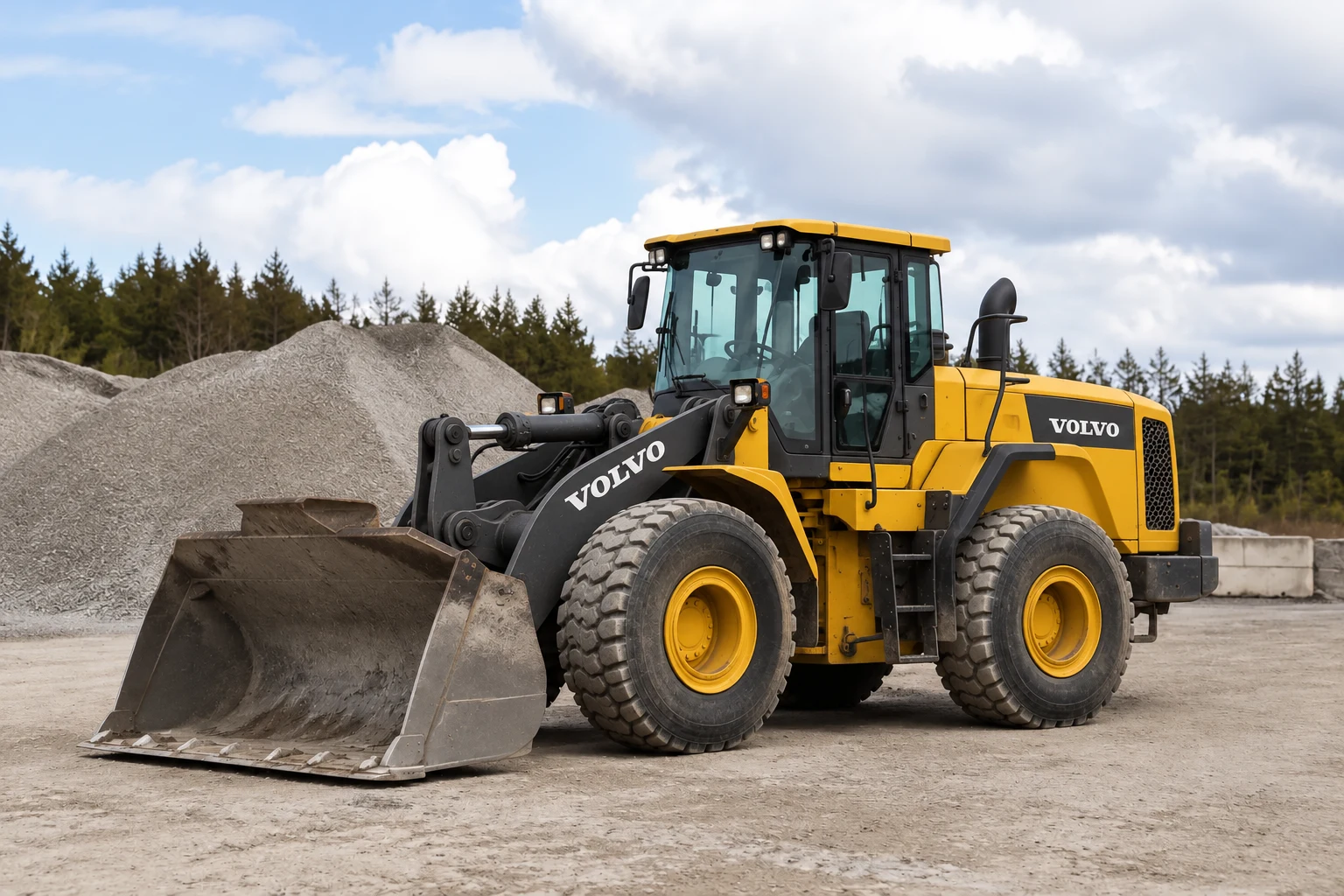 Earthmoving