Define the finished concrete profile before selecting the carrier and mold. Offset curb work and in-line slab paving can require different configurations and support. Record the installed mold, track layout and material-feed equipment separately from the base machine.
Questions that shape the equipment choice
Job requirement
What to compare
Evidence to obtain
Finished profile
Offset or in-line arrangement
Obtain the applicable mold and setup drawing
Site geometry
Track layout and access
Check the operating footprint rather than transport alone
Material supply
Feed and control equipment
Plan the complete paving package
Choose the machine architecture
Concrete Pavers: subcategories
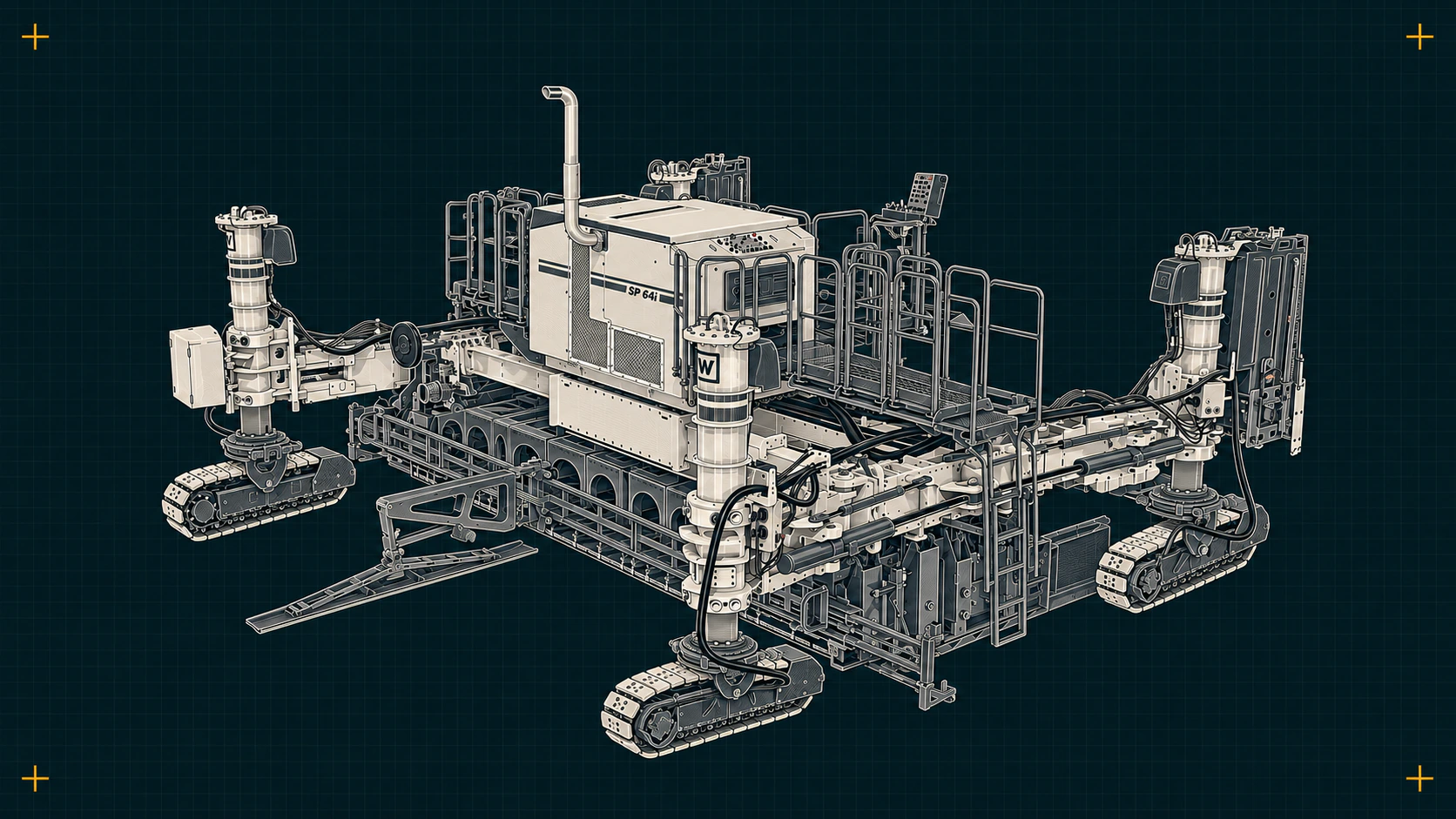
In-line slab pavers
Mould is between the tracks for slab work; no documented offset conversion.
0 researched models
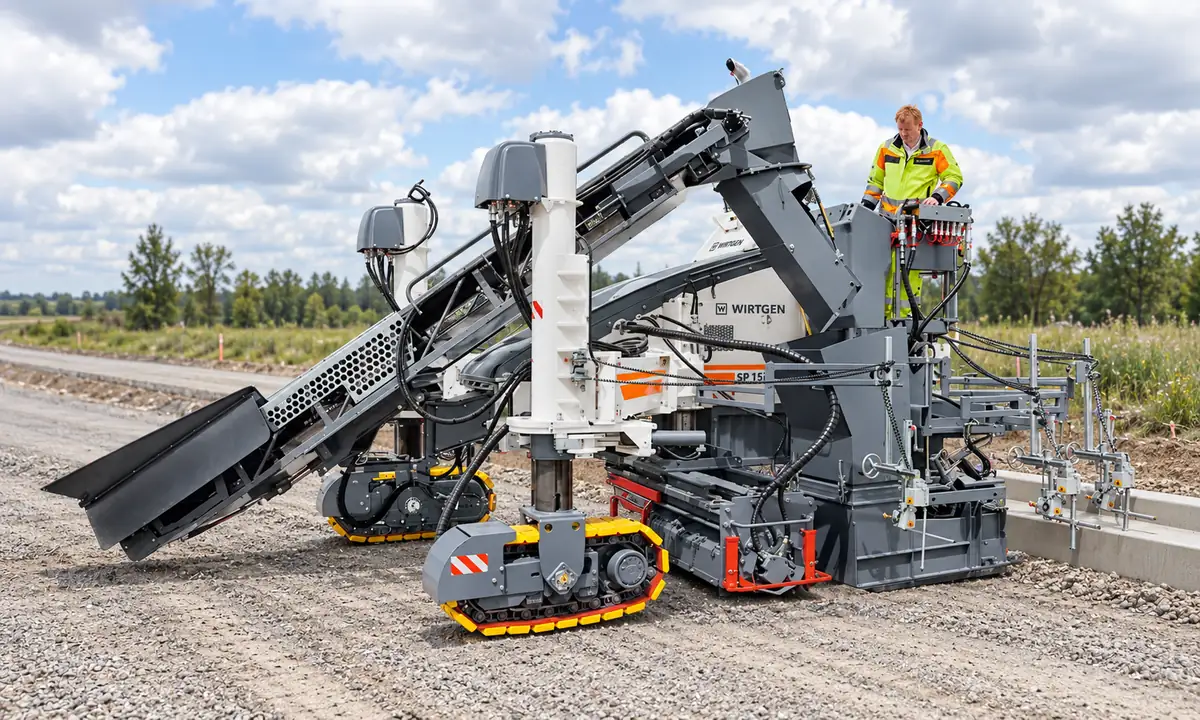
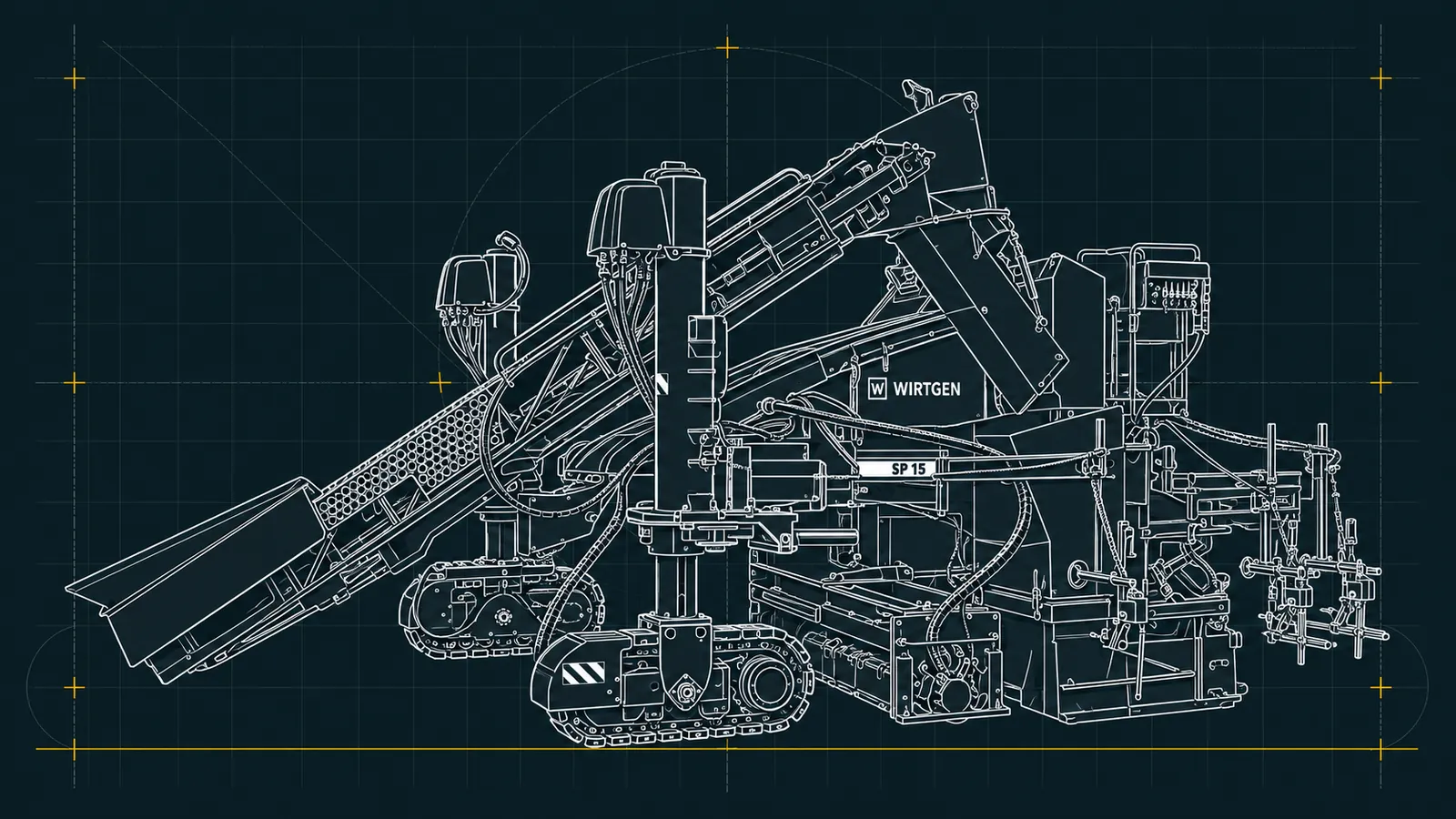
Offset profile pavers
Mould operates beside the carrier; no documented in-line conversion.
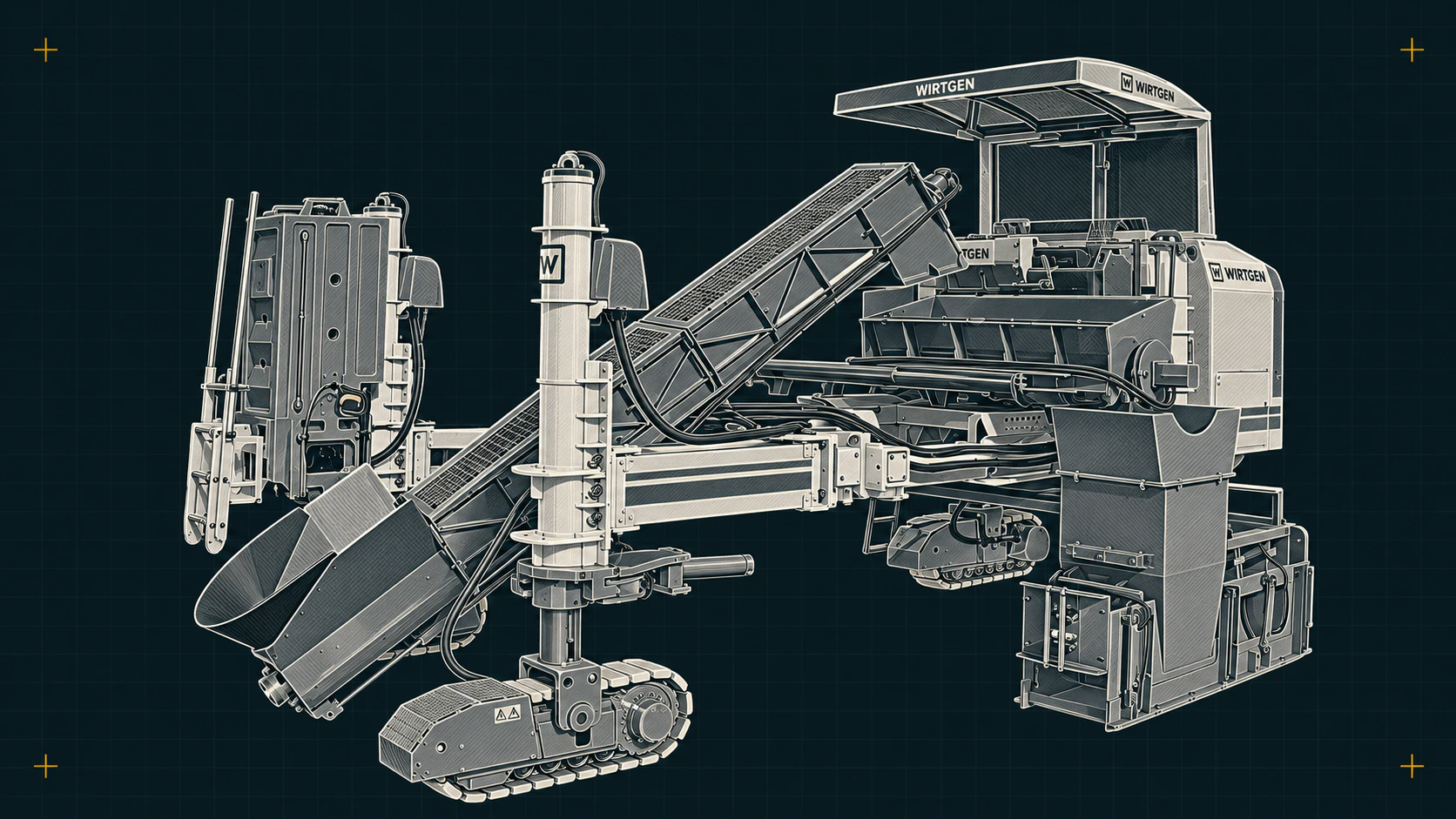
Configurations to check: Mould · Track arrangement · Concrete-feed system · Stringline or 3D control
Where this category begins and ends
Belongs here
Dedicated slipform concrete pavers, with in-line, offset or manufacturer-documented convertible arrangements.
Belongs elsewhere
Asphalt pavers, concrete pumps, finishing screeds and rail-mounted bridge finishers, which need separate future classification.
Prepare a useful comparison
Dimensions and configuration to check
Transport dimensions with dismantling basis
Paving width
Profile height
Working track spread
Feed-conveyor envelope
Compare the same configuration, including attachments, folded parts, counterweights and stabilizers. Transport dimensions can differ substantially from the working setup.
Before comparing used machines
Identify the mould and track configuration, check vibrators and feed equipment, and reconcile removed transport components with the shipping dimensions.
Manufacturer references
Product-family references for this guide; individual model measurements require their own documentation.

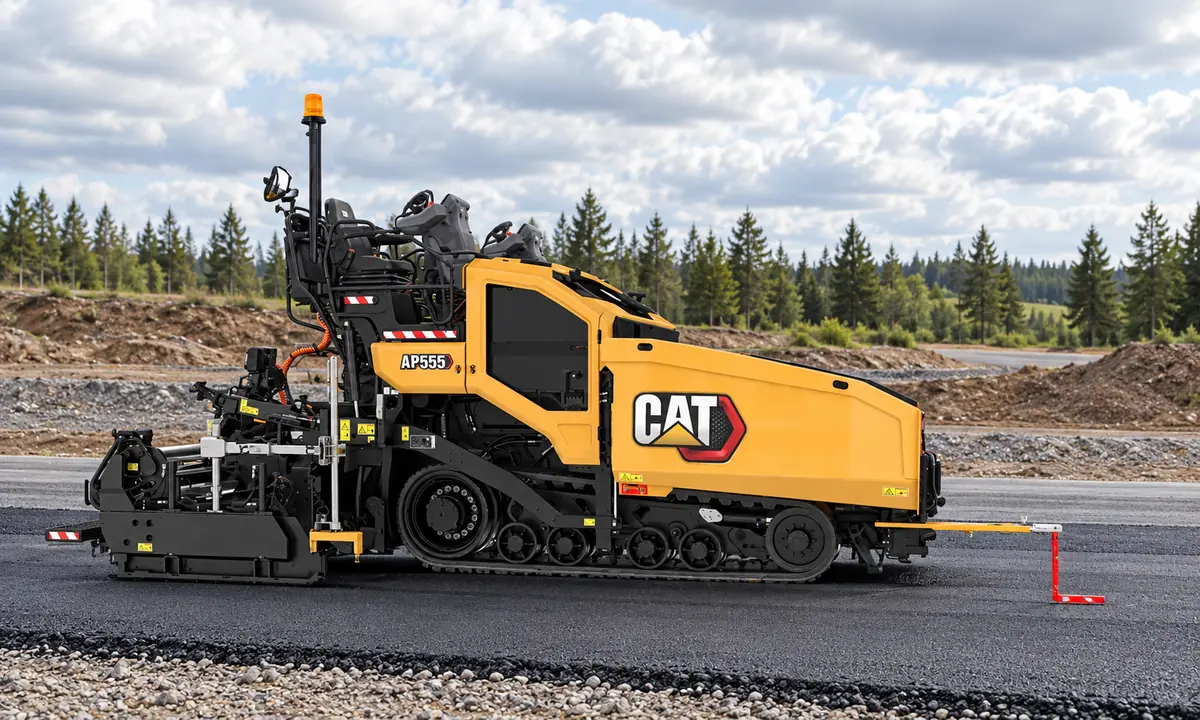 Roadbuilding
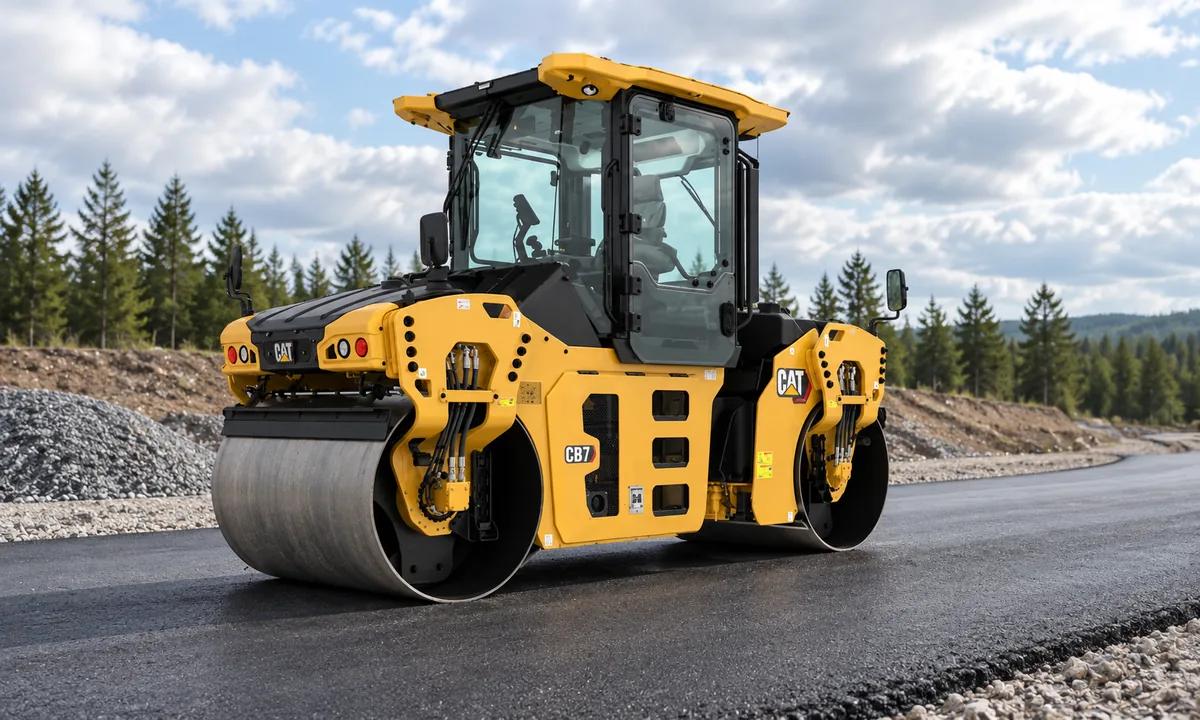 Compaction